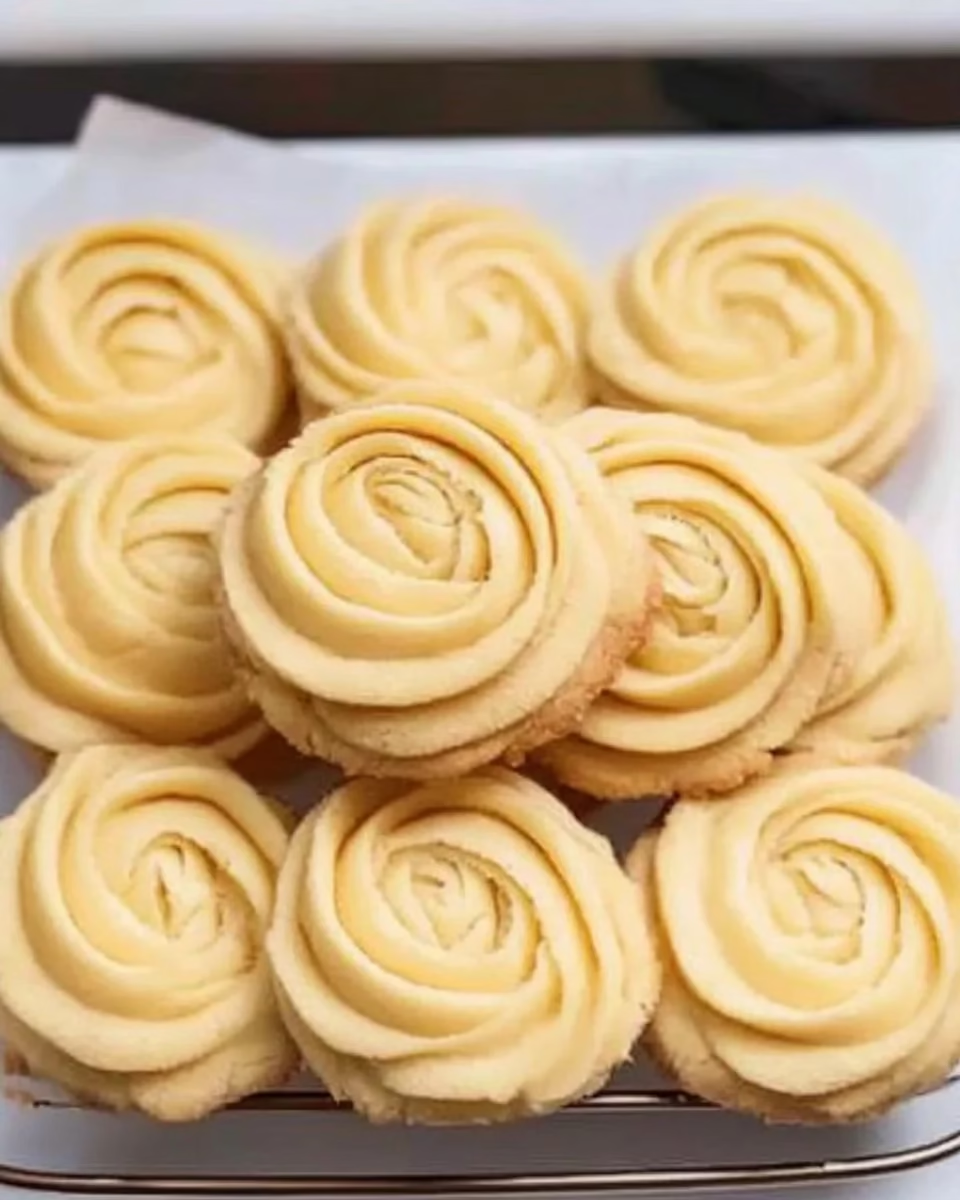
The oven light catches the tiniest cloud of butter steam and I stand there, spoon in hand, watching a circle of dough change from pale to gently golden, imagining how the memory of this small bite will feel later with tea. In those quiet moments I think of other cookie experiments that taught me to trust a simple formula, like the way a sandwich comes together when the filling is just shy of sweet, and I remember posts I love such as apple butter sandwich cookies that nudged me toward softer, more thoughtful textures. That single pulled tray, warm and fragrant, is the reason I come back to this recipe, to test, to tweak, and to share the kind of butter cookie that feels both familiar and a little bit new.
Why This Perfect Butter Cookies Became a Favorite
There was a long season of testing where I chased a balance between richness and a light, tender crumb. I wanted cookies that melted without collapsing, that tasted buttery but did not feel heavy, and that still held their shape when placed on a simple plate. After several small batches I found a rhythm, and the result felt like a little victory each time the edges took that faint gold.
This recipe mattered because it trusted the basics. It leaned into butter and sugar, used a touch of baking powder for lift, and let a single egg yolk bind and enrich the dough without turning it cakey. I learned that when you respect those simple parts, you open room for small experiments that really matter.
What drew me in was not the perfect uniformity of a bakery cookie. It was the honest, slightly rustic look of a cookie made by hand. These come out with soft centers and thin, slightly crisp edges and they forgive the small imperfections that feel human and warm. That made me bake them again and again, sharing the small, buttery rewards.
The Rhythm of Making Perfect Butter Cookies
“The moment the texture shifts, you know it’s ready.”
The process moves at a calm pace, like a gentle metronome in the kitchen. Start by creaming butter and sugar until the mixture looks glossy and holds light air, then add the yolk and vanilla to deepen the color and silk the dough. As you fold the flour in, pay attention to texture rather than timing; the dough should come together in a soft mass that still gives under a gentle press.
Watching the cookies in the oven is a quiet kind of excitement. They puff very slightly, then settle, and the edges whisper that faint gold while the centers remain pale and tender. Those visual cues tell you more than a strict timer ever could: stop when the edge shows warmth and the center still looks set but soft, and you will have that delicate, buttery bite.
Ingredients You’ll Need
1 cup unsalted butter, softened — this lets the fat cream fully and helps keep the flavor clean and flexible.
1 cup granulated sugar — the classic sweetness that also helps the cookie spread just enough.
2 cups all-purpose flour — the backbone that gives structure without being heavy.
1/2 teaspoon baking powder — a small lift here keeps the texture tender, not cakey.
1/4 teaspoon salt — this opens the flavor and balances the sweetness.
1 teaspoon vanilla extract — a gentle, warming note that rounds the butter and sugar.
1 egg yolk — adds richness and a silkier crumb while keeping the cookie compact.
I list these plainly because they are reliable and honest. Nothing here is there to impress; each part plays a clear role. Treat the butter gently and the flour measured, and the cookie will reward you.
Step-by-Step Directions
- Preheat your oven to 350°F (175°C). Make sure the rack sits in the middle of the oven so heat circulates evenly and your cookies brown gently rather than too quickly.
- In a large bowl, cream together the softened butter and sugar until smooth. Beat until the mixture looks pale, slightly glossy, and feels airy when you lift the beaters. Watch for a smooth sheen and stop once it holds a soft ribbon when the beaters are lifted.
- Beat in the egg yolk and vanilla extract. Mix until the yolk is fully incorporated and the dough regains a silky, coherent texture that smells warmly of butter and vanilla. If the dough looks streaked, give it a few more gentle beats.
- In another bowl, whisk together the flour, baking powder, and salt. This distributes the leavening and salt so each cookie gets a gentle, even lift and balanced seasoning. Whisk until the mixture looks uniform and there are no lumps.
- Gradually add the dry ingredients to the wet ingredients, mixing until just combined. Use a spatula to fold and stop once the dough comes together and still shows a little spring; overmixing will toughen the crumb. Keep an eye on texture and stop once it feels soft but set.
- Scoop tablespoon-sized balls of dough onto a baking sheet lined with parchment paper. Space them about two inches apart so they have room to breathe and spread without touching. I like a small cookie scoop for even results and a tidy tray.
- Flatten each ball slightly with the palm of your hand. Aim for a gentle press so the center is a touch thinner than the edges; this helps them bake with crisp edges and tender middles. Press once, not repeatedly, to keep the dough relaxed.
- Bake in the preheated oven for 10 to 12 minutes, or until the edges are lightly golden. Watch the first tray closely; ovens vary and you are looking for pale centers with just-warming rims that catch a whisper of gold. Remove when the edge is set and the center feels soft but no longer glossy.
- Allow to cool on the baking sheet for a few minutes before transferring to a wire rack to cool completely. This short rest lets the cookies finish setting without breaking, and then they firm up to that perfect snap and tender crumb.
When I Serve Perfect Butter Cookies
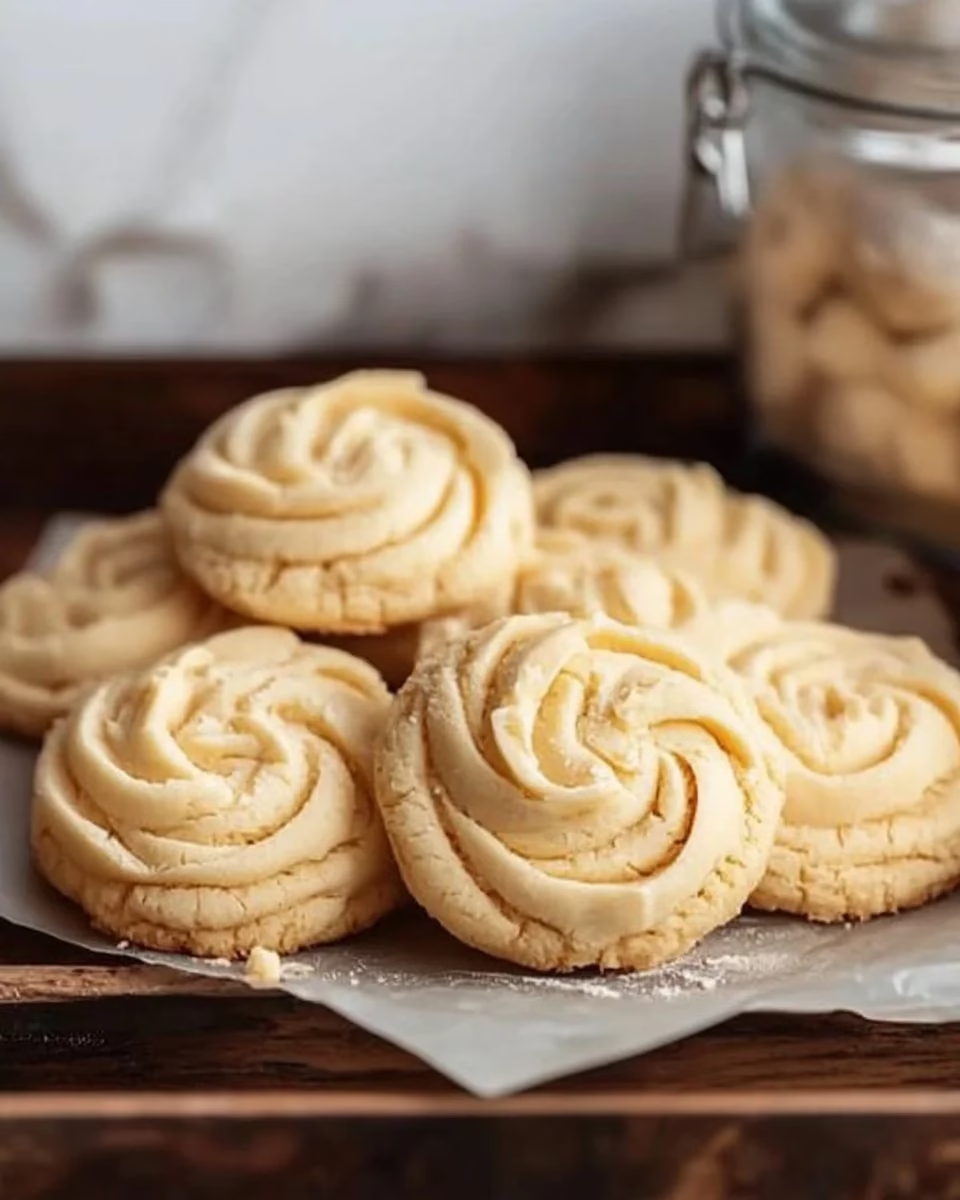
These cookies show up across different moments at my house. They are a weekday treat with coffee when I need a small calm break and a casual dessert at a neighborhood gathering when I want something that pairs well with tea. I love them on a simple white plate where their buttery sheen stands out against plain china.
For a relaxed afternoon, I plate them with a small bowl of jam or a thin ribbon of melted chocolate for dipping. They also play nicely next to a scoop of ice cream because their tender texture contrasts with cold cream. If I bring a tin to a friend, I layer parchment between them and tuck a sprig of fresh thyme or a simple note on top.
Serve them warm if you want the centers soft and the butter aroma at full tilt. Let them cool to room temperature if you prefer a firmer bite and cleaner stacking for a gift tin. Either way, the simplicity of the cookie allows small additions to shine without hiding the buttery base.
Keeping Perfect Butter Cookies Fresh
Store these cookies in an airtight container at room temperature for up to four days and they will stay tender and pleasant. If your kitchen is warm, a cool spot in the pantry helps them keep their shape and texture. I avoid refrigerating because the chill can alter the texture and make them firmer than I prefer.
If you need to keep them longer, freeze the baked cookies in a single layer until firm, then stack with parchment and store in a sealed bag for up to three months. Thaw at room temperature for about an hour and they will soften back into their buttery selves. If the edges feel a touch soft after thawing, a brief ten-minute warm-up in a 325°F oven brings them back to life.
Carol’s Baking Notes
-
Butter temperature matters more than you expect. If your butter is too soft the cookies will spread flat, and if it is too cold the creaming will be ineffective. Aim for butter that yields slightly to pressure but still holds shape.
-
The egg yolk is there for silk and structure. I tested versions with whole egg and without any egg and the single yolk gave the best balance of richness and compact crumb. It keeps the cookie pleasantly tender.
-
Watch the first tray as your oven learns the batch. Ovens vary, and I often reduce bake time by a minute after the first tray if the edges pick up color quickly. Use visual and tactile cues more than the clock.
-
Measuring flour by weight makes this infinitely easier. If you measure by cup, spoon the flour into the cup and level it rather than scooping; it keeps the dough from getting tough. Small differences in flour change texture more than you might think.
-
Little salt can transform the cookie. I always use unsalted butter and add the quarter teaspoon of salt because it wakes up the butter and sugar without making the cookie taste salty.
Variations I’ve Tried
A light lemon zest brightens the dough beautifully for a citrus weekender. I add the zest to the creamed butter and sugar so the oils bloom and the flavor spreads through every bite. It becomes a different cookie without changing the technique.
For a nutty twist I fold in finely chopped toasted almonds or hazelnuts just before scooping. The nuts add a delicate crunch and a deep flavor that plays well with the buttery base. Keep the pieces small so they do not interfere with the cookie’s gentle finish.
If I want a richer, deeper note I brown the butter slightly, cool it, then proceed with the recipe, watching how the aroma shifts to toffee and caramel. This makes the cookie more assertive and pairs beautifully with a cup of coffee at the end of the day. I sometimes think of the richer version when I read inventive recipes like brown butter coffee toffee cookies that show how butter can lead the flavor story.
For a playful decoration, I roll the dough lightly in sparkling sugar before flattening, which provides a faint crunch and a pretty sheen when baked. You can also press a whole almond into the center of each cookie for a traditional look and a nutty accent.
FAQs About Perfect Butter Cookies
Can I make this ahead of time?
Yes, you can. The dough holds well in the fridge for a couple of days in a sealed container and the flavors often meld into something kinder. You can also scoop and freeze the raw balls on a tray, then bake from frozen adding an extra minute or two to the bake time.
How do I prevent the cookies from spreading too much?
Chill the dough briefly before scooping if your kitchen is warm and make sure the butter is not overly soft when you start. Also avoid over-creaming once the yolk is added and fold in the flour until only just combined to keep structure.
My cookies are turning out dry. What did I do?
You may be overbaking or have too much flour in the mix. Pull them from the oven when the edges are barely golden and the center still looks set but soft. Measure flour carefully and consider reducing bake time slightly.
Can I swap the sugar for brown sugar?
You can, but know the cookie will gain moisture and a deeper flavor. Brown sugar will make the cookie chewier and darker, so adjust expectations and perhaps reduce bake time by a minute or two to keep the tender center.
Why use just one egg yolk?
The yolk adds fat and richness without adding extra water, which a whole egg would bring. That controlled richness helps the cookie remain tender while supporting the structure.
A Final Thought
I hope this Perfect Butter Cookies encourages you to turn small curiosity into quiet practice, to try a tweak and notice what changes, and to find that gentle confidence I found when a tray finally felt right. Baking is a conversation with ingredients and time, and these cookies are a friendly way to keep that conversation tasty. Take the recipe as a dependable friend and a jumping off point for your own discoveries, and know that a warm batch always invites sharing.
Perfect Butter Cookies
Ingredients
Main Ingredients
- 1 cup unsalted butter, softened This lets the fat cream fully and helps keep the flavor clean and flexible.
- 1 cup granulated sugar The classic sweetness that also helps the cookie spread just enough.
- 2 cups all-purpose flour The backbone that gives structure without being heavy.
- 1/2 teaspoon baking powder A small lift here keeps the texture tender, not cakey.
- 1/4 teaspoon salt This opens the flavor and balances the sweetness.
- 1 teaspoon vanilla extract A gentle, warming note that rounds the butter and sugar.
- 1 large egg yolk Adds richness and a silkier crumb while keeping the cookie compact.
Instructions
Preparation
- Preheat your oven to 350°F (175°C). Ensure the rack sits in the middle for even baking.
- In a large bowl, cream together the softened butter and sugar until smooth and glossy.
- Beat in the egg yolk and vanilla extract until fully incorporated.
- In another bowl, whisk together flour, baking powder, and salt.
- Gradually mix the dry ingredients into the wet mixture until just combined.
- Scoop tablespoon-sized balls of dough onto a lined baking sheet, spacing them about two inches apart.
- Flatten each ball slightly with your hand for even baking.
Baking
- Bake in the preheated oven for 10 to 12 minutes, or until edges are lightly golden.
- Allow cookies to cool on the baking sheet for a few minutes before transferring to a wire rack.