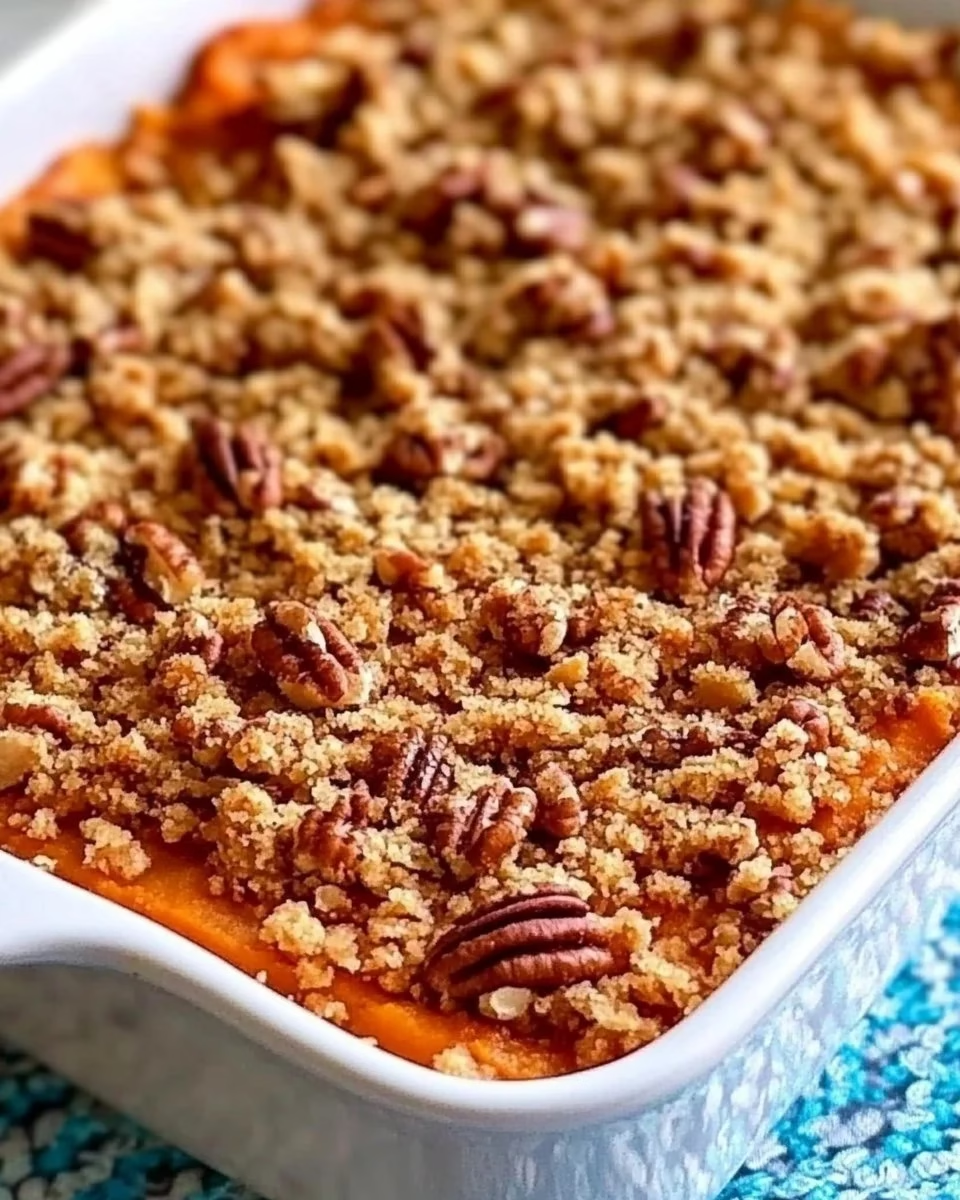
The first time I pulled this warm pan from the oven I paused, breath fogging the kitchen light, and let the scent of butter and brown sugar wrap around me like a soft blanket. The topping crackled as I nudged it with a fork, and the sweet potato filling trembled, glossy and inviting, as if it were asking for a single spoonful. That small, delighted moment is how Pecan Ruth Chris Sweet Potato Casserole – flirtyfood became a sticky, comforting habit in my kitchen.
Why This Pecan Ruth Chris Sweet Potato Casserole – flirtyfood Became a Favorite
This recipe found me on a quiet afternoon of testing and small changes. I was chasing that balance between a silky, tender sweet potato base and a topping that snaps around the edges but still melts on the tongue. I wanted something that felt a little fancy yet stayed honest and simple to make.
It mattered that the filling could be spooned easily and still hold a gentle mound on a plate. I kept tweaking texture, sugar levels, and fat until the casserole felt playful and reliable. The result is a dish I make when I want to impress without fuss, and sometimes when I need a slow, thoughtful dessert to slice and share.
What drew me most was the way the pecans lift the whole dessert. They give crunch and a warm nutty note that plays so well with the maple-like sweetness of the potatoes. That contrast of soft and crisp became the heart of why I come back to this recipe again and again.
The Story Behind This Small-Batch Pecan Ruth Chris Sweet Potato Casserole – flirtyfood
Small-batch testing was where the magic lived. I made tiny pans, tried different butters, and watched how the topping browned over time. Each bake taught me a detail about timing and aroma that I now trust.
I learned to read the surface like a recipe map. A glossy finish meant the filling had the right moisture. A slightly sunken center spoke to gentle set. And that light sugar crust with toasted nuts signaled readiness. These are the little cues I want you to feel comfortable with.
This recipe has roots in classic casseroles yet feels personal. It is the kind of dessert you can tweak, yet rely on the same way you rely on an old oven mitt. If you like to see variations, I sometimes glance at other takes on the dish and borrow ideas from them, like this simple sweet potato casserole that inspired a few small tests.
Watching It Transform
“The moment the texture shifts, you know it’s ready.”
When you start mixing, notice the filling slow from grainy to smooth. That is the starch loosening and the fat smoothing the mouthfeel. Watch for a sheen that tells you the sugars are coaxing out a gentle glaze.
As the casserole bakes, the top will take on a warm tan and the edges will puff slightly. The aroma will change from raw sweet potato to something deeper, more caramel. A fork tap will feel firm but not hard. That is the sign to let it cool a bit before you serve.
Ingredients You’ll Need
3 cups cooked sweet potatoes, sliced or cubed (this is the soul of the dish; use tender, well-cooked potatoes).
3/4 cup white sugar (this helps the filling hold its shape and adds bright sweetness).
1/2 tsp salt (this rounds the flavors without stealing the show).
1/2 tsp vanilla extract (this adds a soft warm note to the filling).
2 eggs (these give structure so the filling sets nicely).
6 tbsp melted butter (this adds richness and silk to the filling).
Cooking spray (helps the casserole slip from the dish and keeps edges clean).
6 tbsp butter, melted (for the topping; this adds buttery crunch).
1 cup light brown sugar (this sweetens and helps the topping caramelize).
1/3 cup all-purpose flour (this brings gentle structure to the crumble).
1 cup pecans, chopped (these give crunch and nutty flavor to finish the dish).
I list each ingredient simply so you can gather them without fuss. If you have leftover cooked sweet potato from another dinner, this is the perfect way to use it. I like modestly sweet fillings so the pecan topping can shine.
Step-by-Step Directions
- Preheat your oven to 350 degrees Fahrenheit and lightly spray a small baking dish. Place the cooked sweet potatoes in a bowl and mash them until mostly smooth, leaving small tender bits for texture. Add the white sugar, salt, and vanilla, then beat in the eggs until the mixture looks glossy and thick.
- Stir in the 6 tablespoons of melted butter until the filling feels silky and spreads easily. Pour the mixture into the prepared dish and smooth the top with a spatula, watching for a shiny surface. Place the dish in the oven and bake until the center feels soft but set, about 25 to 30 minutes.
- While the filling bakes, make the topping by combining the 6 tablespoons of melted butter, light brown sugar, and 1/3 cup flour in a small bowl. Rub the ingredients together with your fingers or a fork until the mixture forms coarse crumbs studded with chopped pecans. The crumbs should hold together lightly when pressed.
- Remove the casserole from the oven when the filling shows a slight wobble in the center and a thin crust has formed on the edges. Sprinkle the pecan crumble evenly over the hot filling, pressing gently to help the crumbs nestle into the surface. Return the dish to the oven for another 10 to 12 minutes until the topping is golden and the edges begin to caramelize.
- Pull the casserole from the oven and let it cool for at least 15 minutes so the filling can finish setting. Watch for a faint steam to lift from the top and the aroma to deepen into a caramel-like note. Serve warm in spoonfuls; the topping should crack gently when you cut into it.
How This Dessert Is Meant to Be Enjoyed
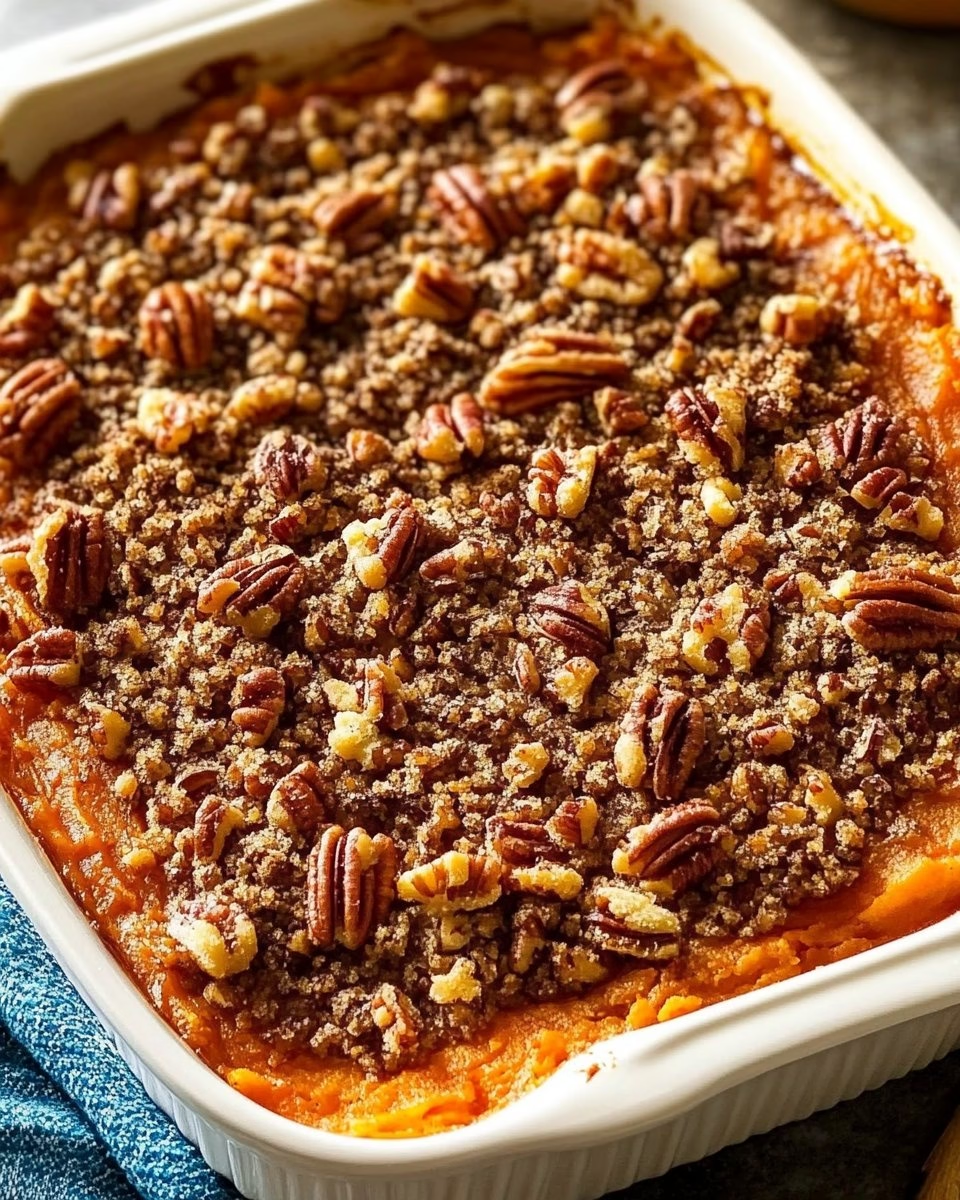
This casserole is lovely as a warm, quiet dessert after a casual dinner. It also works as an indulgent side at a holiday table, where each scoop adds a touch of sweet memory to the meal. I love serving it slightly warm with a small scoop of plain whipped cream or a touch of maple syrup if I want more sweetness.
The texture plays a big role in how people react to it. A soft, creamy interior paired with a crisp nut topping makes every bite feel balanced. If you are serving friends who love contrast, offer this as a plated dessert with a bright citrus salad to cut through the richness.
If you want something lighter, you can serve it alongside a sharp cheddar cheese and a few apple slices. The salt and the fruit bring out different notes in the casserole and make a simple spread feel thoughtful. For more ideas on pairing sweet potato dishes in small ways, I sometimes pull inspiration from a playful recipe for sweet potato rounds with feta, cranberries, and pecans that highlights how nuts and fruit can brighten a table.
Serving ideas and plating
Serve in shallow bowls to show off the crispy top and glossy interior. A small spoonful of cool crème fraîche or a dollop of plain yogurt softens the sweetness and adds tang. For a more rustic presentation, spoon a generous mound onto a plate and scatter a few extra toasted pecans around the edge.
Think of this casserole as a cozy companion to coffee, tea, or a late-night chat. It does not demand ceremony. It asks for sharing and for small moments of pleasure.
Keeping Pecan Ruth Chris Sweet Potato Casserole – flirtyfood Fresh
Store any leftovers covered in the refrigerator for up to four days. Reheat gently in a low oven to help the topping regain a bit of crispness; high heat will dry out the filling. If you must use a microwave, cover the dish and zap in short bursts to avoid overheating the eggs.
The topping will soften over time as it absorbs moisture from the filling. If you like a fresh crackle on top, sprinkle a few extra chopped pecans over the warmed casserole before serving. You can also re-crisp it under a broiler for a minute or two, watching closely so it does not burn.
For longer storage, freeze the cooked casserole for up to two months in an airtight container. Thaw overnight in the refrigerator and reheat slowly in a 300 degree oven until warmed through. Freshly toasted pecans added after reheating will help bring back some of that initial texture.
Carol’s Baking Notes
- Texture matters most here. I found that slightly underbaking the filling by a few minutes gives a creamier mouthfeel after cooling, so watch the wobble as your cue.
- Butter choice changes tone. Salted butter gives a rounder flavor and needs less added salt, while unsalted lets you control the seasoning more precisely. I like unsalted for testing.
- Chop pecans by hand for uneven bits. Little pieces toast faster and give a nice contrast to larger chunks that add chew.
- Sugar balance is forgiving. If you prefer a less sweet dessert, shave 2 tablespoons off the brown sugar in the topping and try a bit less white sugar in the filling. The pecans and butter still carry the flavor.
- Use cooled, well-drained cooked sweet potatoes. Watery potatoes dilute flavor and make the filling loose, so let them sit in a sieve for a few minutes if needed.
Each of these notes comes from making small pans and paying attention to how tiny changes shifted the final bite. I write them because I want you to feel confident making the dish your own.
Variations I’ve Tried
Maple and orange zest: Swap 2 tablespoons of white sugar with 2 tablespoons of maple syrup and add a teaspoon of orange zest to the filling. The citrus brightens the sweet notes without making the dish feel citrusy or heavy.
Spiced topping: Add 1/2 teaspoon ground cinnamon and a pinch of nutmeg to the crumble for a warmer spice profile. This version is lovely in cooler months and pairs well with chestnut or apple accompaniments.
Bourbon drizzle: After baking, stir a tablespoon of bourbon into a couple tablespoons of brown sugar and warm it to dissolve. Drizzle sparingly over the warm casserole for a deeper, slightly boozy finish that cooks down quickly on the surface.
Nut swap: Substitute half the pecans with toasted almonds or hazelnuts for a different crunch. Each nut will give a slightly different aroma and mouthfeel while keeping the structure intact.
Savory twist: Mix in a quarter cup of grated sharp cheddar into the filling for a savory-sweet contrast. This is a good weekend experiment when you want the casserole to stand beside roasted turkey or ham. It is an unusual touch but it holds up well.
These variations follow the same basic balance: a silky base and a crunchy finish. Tweak gently and trust your nose and fork to tell you when a change is working.
FAQs About Pecan Ruth Chris Sweet Potato Casserole – flirtyfood
Can I make this ahead of time?
Yes, you can assemble the casserole a day ahead and refrigerate it unbaked. Add the topping just before baking to keep the nuts crisp and bake as directed; the flavors often settle and taste more blended after a rest.
What if my sweet potatoes are very dry or very wet?
If they are dry, add an extra tablespoon or two of melted butter to bring back silkiness. If they are wet, drain them briefly and press gently with paper towels to remove excess moisture so the filling can set properly.
Can I use canned sweet potato?
You can, but taste and texture vary by brand. Mash them smooth and check for extra liquid. You may want to reduce added sugar slightly since some canned versions are already sweetened.
How do I get the topping to stay crunchy longer?
Toast the pecans before mixing them into the topping and add a small pinch of coarse salt. Store leftovers uncovered for a short time and re-toast nuts briefly when reheating to refresh the crunch.
Is it better warm or room temperature?
I prefer it warm, when the filling feels lush and the topping still has a slight crisp. That said, room temperature offers a different, more settled texture that some people enjoy. Both are lovely and depend on your preference.
Little Things That Made a Difference
I learned to press the crumble lightly into the hot filling so it makes contact and toasts into the surface rather than sitting on top. That produces a cohesive bite. I also learned that the difference between melted butter cooled to warm and hot matters; pour warm, not scalding, so it does not scramble the eggs when you mix.
Another small trick is to let the casserole sit for a short while before serving. Fifteen minutes gives the filling time to relax and the flavors time to meld. A final sprinkle of flaky salt on top before serving can wake the whole dish, if you like a little contrast.
If you are testing variations, keep a simple notebook to jot what you changed and how it tasted the next day. Small records made in the moment help you repeat the things you love.
Questions I Had While Testing
Could I halve or double the recipe?
Yes. This small-batch formula scales well. For a larger crowd, use a slightly larger pan and add a few extra minutes to the bake time. For a half batch, choose a smaller dish and watch bake time closely.
Will the topping burn before the filling is done?
If your topping is browning too quickly, tent the dish with foil and finish baking until the center sets. You can also add the topping midway to avoid overbrowning.
Are there egg-free options?
You can try a thickening agent like a tablespoon of cornstarch mixed with a little water to replace eggs, but the texture will shift. Eggs provide a familiar set and silk that I prefer after testing.
How do I toast pecans evenly?
Spread pecans on a rimmed sheet and toast at 350 degrees for 6 to 8 minutes, stirring once. Watch them closely; nuts go from toasted to burnt quickly.
From My Kitchen to Yours
I hope this Pecan Ruth Chris Sweet Potato Casserole – flirtyfood encourages you to experiment a little and trust your instincts the way I have learned to trust mine. The first time you try it, be gentle with your timing and listen to the cues from texture and aroma.
Make it for a quiet evening when you want something comforting, or bring it to a small gathering to share a warm, nutty slice. Tweak the topping or keep it classic. Either way, let the process be part of the pleasure.
Thank you for baking along in spirit. If you try a twist, I would love for you to notice how the top crackles or how a small sprinkle of salt changes a bite. These are the little joys that make desserts feel like a shared memory.
Pecan Ruth Chris Sweet Potato Casserole
Ingredients
For the sweet potato filling
- 3 cups cooked sweet potatoes, sliced or cubed Use tender, well-cooked potatoes.
- 3/4 cup white sugar Helps the filling hold its shape.
- 1/2 tsp salt Rounds the flavors.
- 1/2 tsp vanilla extract Adds warm flavor.
- 2 large eggs Gives structure to the filling.
- 6 tbsp melted butter Adds richness.
For the topping
- 6 tbsp butter, melted Adds buttery crunch.
- 1 cup light brown sugar Sweetens and helps topping caramelize.
- 1/3 cup all-purpose flour Provides structure.
- 1 cup pecans, chopped Gives crunch and nutty flavor.
Miscellaneous
- Cooking spray Cooking spray Helps the casserole slip from the dish.
Instructions
Preparation
- Preheat your oven to 350 degrees Fahrenheit and lightly spray a small baking dish.
- Place the cooked sweet potatoes in a bowl and mash until mostly smooth, leaving small tender bits for texture.
- Add white sugar, salt, and vanilla, then beat in the eggs until the mixture looks glossy and thick.
- Stir in the 6 tablespoons of melted butter until the filling feels silky and spreads easily.
Baking
- Pour the mixture into the prepared dish and smooth the top with a spatula.
- Bake until the center feels soft but set, about 25 to 30 minutes.
Prepare the topping
- While the filling bakes, combine the 6 tablespoons of melted butter, light brown sugar, and flour in a small bowl.
- Rub the ingredients together until the mixture forms coarse crumbs studded with chopped pecans.
- Press the crumbs lightly together.
Final bake
- Remove the casserole from the oven and sprinkle the pecan crumble evenly over the hot filling.
- Return the dish to the oven for another 10 to 12 minutes until the topping is golden.
Serving
- Let the casserole cool for at least 15 minutes before serving.
- Serve warm; the topping should crack gently when you cut into it.