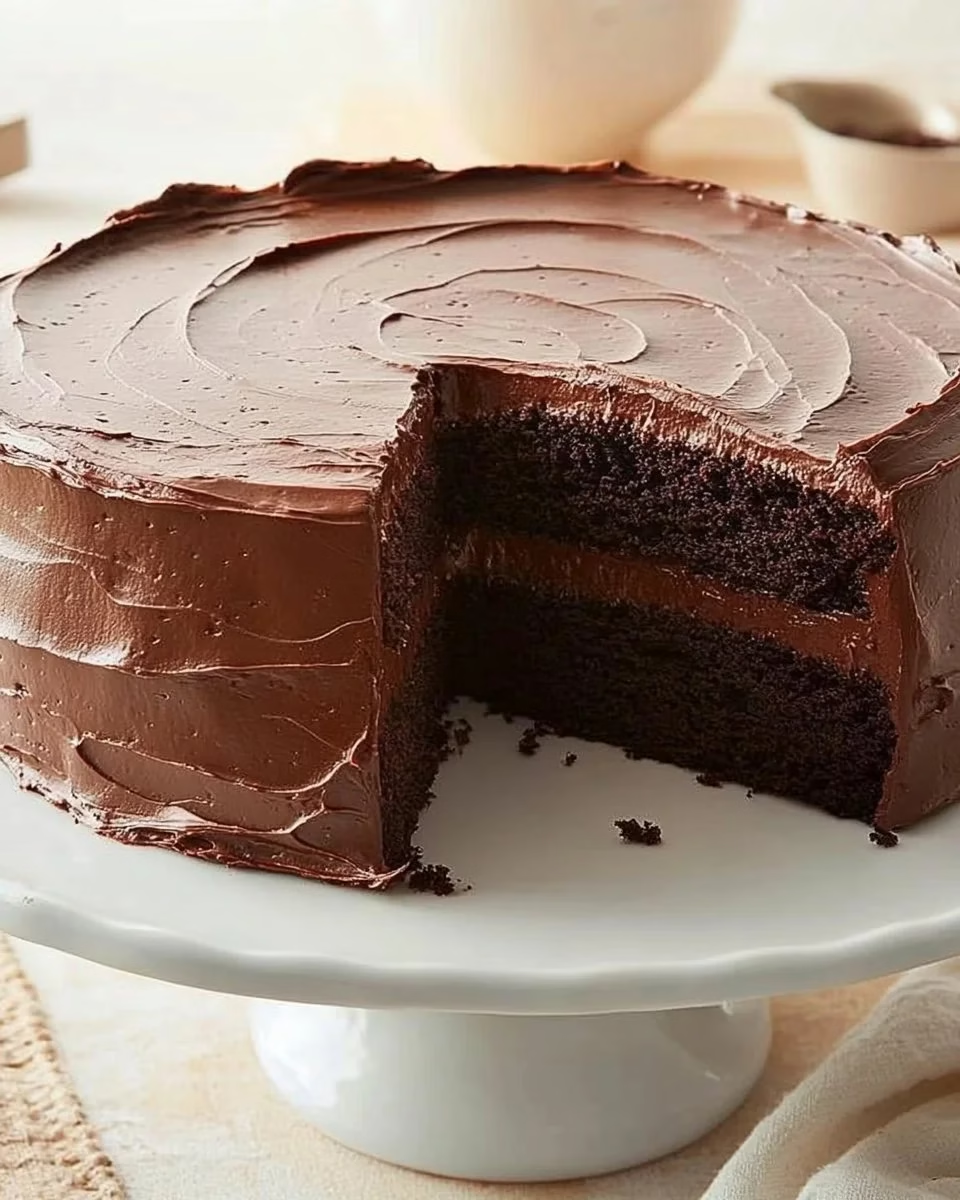
The smell of cocoa and butter warming in the oven can bring a whole afternoon to a gentle, golden pause. I remember standing at my counter with flour dust on my palms, mixing a cake in one bowl while the radio played softly, and thinking how such a simple recipe could gather everyone around the table. If you have a quiet hour, this One-Bowl Chocolate Cake will do what it always does in my kitchen: make the room smell like home and invite small, slow conversations. For a little extra chocolate inspiration, you might enjoy the way these chocolate espresso cupcakes fold comfort into every bite, a cozy companion to the cake you are about to make: chocolate espresso cupcakes with salted caramel buttercream.
Why This One-Bowl Chocolate Cake Has Always Been a Favorite
This cake has lived on my recipe card for decades because it is both kind and reliable. There is comfort in the steps, the simple rhythm of measuring, stirring, and the patient patience of waiting while the oven does its quiet work. I first made this for a neighbor who needed a little cheering up, and the two-layer cake became the kind of thing people ask for on birthdays and rainy afternoons.
The recipe matters because it is forgiving. It does not demand a scale or special tools, and it does not require perfect timing to feel like success. The flavors are familiar: cocoa that reminds you of childhood chocolate milk, sugar that browns into a gentle sweetness, and a tender crumb that sounds soft when you slice it. It stays in rotation because it comforts the people you bake for and asks nothing more than a warm oven and a calm kitchen.
This cake also tells a quiet story about home cooking. It is the kind of dessert that a mother might pass to her child, or a friend might bring when visiting. It holds up to a simple frosting, a thick dusting of powdered sugar, or a smear of jam between layers. That plainness is its strength; it makes room for memory.
How to Bring One-Bowl Chocolate Cake Together
“Some recipes just feel right the moment they come together.”
The one-bowl approach means less washing up and more time to notice the small cues that good baking offers. When you stir the dry ingredients until they look even, you are creating a soft map for the rest of the batter. As you add the eggs and buttermilk, the mixture takes on a smoother, richer look that tells you the structure is forming.
When the boiling water goes in, the batter thins and becomes glossy, like a small secret that makes the cake lighter and keeps it tender. Watch for the scent of cocoa rising as you fold the water in; it is one of those small comforts that lets you know you did the right thing. From there, filling pans and slipping the cake into the oven is almost ceremonial, a quiet handing over to the steady heat.
Ingredients You’ll Need
1 ¾ cups all-purpose flour
1 ¾ cups granulated sugar
¾ cup unsweetened cocoa powder
1 ½ teaspoons baking powder
1 ½ teaspoons baking soda
1 teaspoon salt
2 large eggs
1 cup buttermilk
½ cup vegetable oil
2 teaspoons vanilla extract
1 cup boiling water
Notes on what these ingredients do and why they matter. Flour gives the cake its structure, and using plain all-purpose keeps the texture tender and familiar. Sugar not only sweetens but helps the crumb soften as the cake bakes. Cocoa powder brings the chocolate note; choose a cocoa you like for its aroma and depth.
Baking powder and baking soda work together so the cake rises steadily and keeps a light crumb. Salt is a small but essential voice in the batter; it balances sweetness and brightens the chocolate. Eggs provide lift and a gentle richness, and room temperature helps with texture. Buttermilk adds a soft tang that keeps the crumb moist and tender. Vegetable oil gives the cake a lasting softness from day to day.
Vanilla is the warm, quiet note that brings everything together. The boiling water is important: it hydrates the cocoa and thins the batter so the cake becomes delicate rather than dense. Each ingredient has a role, and paying a little attention to them yields the steady results that make this cake a reliable friend.
Step-by-Step Directions
-
Preheat your oven to 350°F (175°C) and grease two 9-inch round cake pans.
Preheat early so the oven can reach an even heat and your pans are ready. Brush the pans with a thin layer of oil or butter and then dust with flour or line with parchment for easy release. Warm pans help the batter start evenly, and that steady start helps the layers bake true. -
In a large mixing bowl, combine flour, sugar, cocoa powder, baking powder, baking soda, and salt.
Measure gently and whisk the dry ingredients together until they are evenly mixed and there are no streaks of cocoa or flour. This step creates a soft, even foundation so the wet ingredients blend smoothly. Take a moment to notice the dark, velvety color of the cocoa as it joins the whites and tans of the other ingredients. -
Add eggs, buttermilk, oil, and vanilla to the bowl, and mix until smooth.
Crack the eggs into the bowl and pour the buttermilk and oil in a steady stream, then add the vanilla. Use a whisk or a sturdy spoon and stir with calm, steady strokes until the batter looks smooth and even. The mixture should be soft and slightly thick, holding together without lumps. -
Carefully stir in boiling water until well combined; the batter will be thin.
Pour the boiling water slowly while stirring so the batter blends without splashing. The thin, glossy batter can feel surprising, but that is how this cake stays tender and light. Once the water is fully combined, you will see the batter sheen and smell the warm, deep scent of cocoa. -
Pour the batter evenly into the prepared cake pans.
Split the batter with care so both pans bake at the same rate, smoothing the tops lightly with an offset spatula if needed. Tap the pans gently on the counter to release any large air bubbles. The surface should sit level and promise an even rise. -
Bake for 30-35 minutes or until a toothpick inserted in the center comes out clean.
Slide the pans into the center of the oven and let the steady heat do its work. Watch for lightly golden edges and a few small cracks near the center that tell you the crumb is set. A toothpick should come out clean or with a few moist crumbs, not wet batter. -
Let the cakes cool in the pans for 10 minutes, then remove from pans and cool completely on wire racks before frosting.
Give the pans a gentle turn out onto a rack after the ten minutes; the cakes will loosen from the sides and come out easily if greased well. Let the layers cool until just set and no longer warm to the touch, then move them to a wire rack to cool fully. Once cool, you can frost, fill, or simply dust with powdered sugar and serve.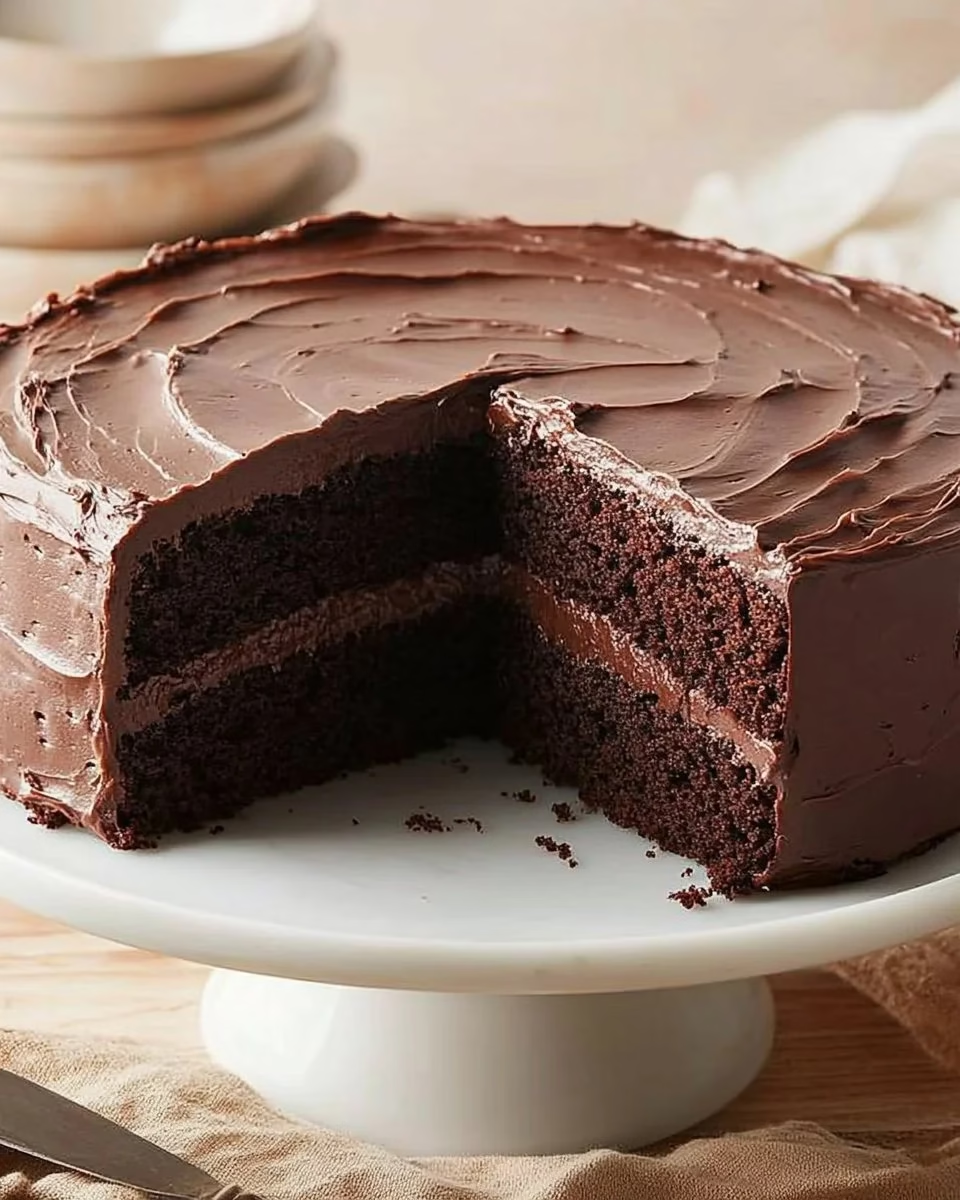
Serving One-Bowl Chocolate Cake With Care
I like to serve this cake simply, so the texture and chocolate come forward without fuss. Sometimes I spread a thin layer of chocolate buttercream between the layers and finish the top with a gentle swirl, nothing too perfect. Other times I dust with powdered sugar and place a few fresh berries on top to brighten each slice with a touch of tartness.
This cake pairs well with a plain cup of coffee or a glass of cold milk, especially when the crumbs fall softly on the plate and the kitchen is still warm. For gatherings, I slice the cake into generous pieces and let people help themselves, because sharing is part of the comfort. A small pot of hot tea and a quiet chair will make any slice feel like an invitation.
Storing One-Bowl Chocolate Cake for Later
To keep the cake soft, store it in an airtight container at room temperature for up to two days. If you plan to keep it longer, wrap the cake layers in plastic wrap and place them in the fridge for up to five days, or freeze tightly for up to two months. When frozen, thaw in the fridge overnight and bring to room temperature before frosting.
If you have frosted the cake, store it in a cake keeper or cover it loosely with a dome to prevent the frosting from drying. Reheating a slice gently in the microwave for 10 to 15 seconds brings back the warmth and soft crumb, and a spoonful of cream on the side will make it feel almost freshly baked. The flavors often settle and mellow overnight, so a rested slice can taste even more balanced the next day.
Mary’s Baking Notes
-
Measure with care and a light hand. Spoon flour into the measuring cup and level it off with a knife rather than scooping directly with the cup. This helps the cake remain tender rather than heavy.
-
Room temperature eggs and buttermilk are kinder to the batter. They mix more smoothly and help the structure come together without extra beating. If you forget to warm them, a quick bowl in warm water for five minutes will do.
-
Cocoa choice matters in subtle ways. Natural cocoa will give a brighter, more classic chocolate note, while Dutch-processed cocoa brings a mellower, deeper flavor. Either works; choose the one that feels familiar to your family.
-
Thin batter is normal here. When you add the boiling water, the batter will become loose. Trust the recipe; that thinning helps bake the cake into a soft, tender crumb rather than a dense slab.
-
Pans and oven can vary. If you know your oven runs hot in spots, rotate the pans halfway through baking. Use an oven thermometer to check for gentle, even heat and adjust baking time by a few minutes if needed.
Family Variations on One-Bowl Chocolate Cake
We often make small changes that keep this cake feeling like the same old friend. A simple chocolate glaze of melted chocolate and a little cream makes a shiny, no-fuss finish that everyone recognizes. Fold a handful of chopped nuts into the batter for a bit of crunch, or sprinkle shredded coconut over the frosting for a soft texture contrast.
In winter, I sometimes stir a teaspoon of ground cinnamon into the batter for a warm, homey touch that complements the chocolate. For a playful family twist, add a thin layer of jam between layers—raspberry is a favorite for its gentle tartness. If children are helping, arrange sprinkles on the top after the frosting sets; the bright colors make the cake feel festive and small hands proud.
FAQs About One-Bowl Chocolate Cake
Can I make this ahead of time?
Yes, you can bake the layers a day or two ahead and wrap them well in plastic, keeping them in the refrigerator. Let the cakes come to room temperature before frosting so the frosting spreads smoothly and the flavors settle together.
Can I use milk instead of buttermilk?
You can substitute milk combined with a tablespoon of vinegar or lemon juice to make a buttermilk substitute. Let the mixture sit for five minutes before adding; it will mimic the tang and help the cake remain tender.
How do I know when the cake is done?
Watch for lightly golden edges and a springy top. A toothpick in the center should come out clean or with a few moist crumbs. If it still looks shiny in the center, give it another couple of minutes and check again.
Can I make this recipe in one pan?
You can bake the whole batter in a single 9×13 pan; the baking time will be longer, typically around 35 to 40 minutes. Begin checking at 30 minutes and use the same toothpick test to confirm doneness.
Why is the batter so thin after adding boiling water?
The boiling water hydrates the cocoa and helps dissolve the sugar and other ingredients, which thins the batter and creates a lighter crumb. It may seem odd, but that thinness gives the cake its tender texture.
Family variations and pairings often make the cake feel new without changing the comforting base. One time I served a slice with a small scoop of coffee ice cream and watched faces relax into the blend of familiar chocolate and cool cream. For a festive table, a smear of salted caramel on the top speaks in the same gentle language of home.
Bringing the Cake to Gatherings and Quiet Afternoons
When I bring this cake to a potluck, I wrap it in a linen cloth and carry it with a steady hand. The crumbs hardly matter when people are gathered, and the cake becomes the center of small stories. At home, I bake it for no reason at all, just to fill the house with warmth and to have a slice after the day has softened.
If I want to make a simple dessert for a weeknight family supper, the cake is a reliable choice that feels special without being fussy. Slice it thick and offer simple coffee or milk, and listen while the kitchen hums. There is pleasure in this kind of ease.
A Final Thought
I hope this One-Bowl Chocolate Cake brings a gentle comfort to your kitchen, the way it has settled into mine. Baking is less about perfect technique than it is about the steady, small acts that gather people close. When you mix, bake, slice, and share, you give more than dessert; you give a moment of care. From my counter to yours, may this cake warm a cup, a hand, and a quiet conversation at the table.
One-Bowl Chocolate Cake
Ingredients
Dry Ingredients
- 1 ¾ cups all-purpose flour Gives structure to the cake.
- 1 ¾ cups granulated sugar Sweetens and helps soften the crumb.
- ¾ cup unsweetened cocoa powder Provides the chocolate flavor.
- 1 ½ teaspoons baking powder Helps the cake rise.
- 1 ½ teaspoons baking soda Assists in leavening the cake.
- 1 teaspoon salt Balances sweetness and enhances flavor.
Wet Ingredients
- 2 large eggs Provides lift and richness.
- 1 cup buttermilk Keeps the crumb moist and tender.
- ½ cup vegetable oil Adds lasting softness.
- 2 teaspoons vanilla extract Enhances the overall flavor.
Final Ingredient
- 1 cup boiling water Hydrates the cocoa and ensures a tender crumb.
Instructions
Preparation
- Preheat your oven to 350°F (175°C) and grease two 9-inch round cake pans.
- In a large mixing bowl, combine flour, sugar, cocoa powder, baking powder, baking soda, and salt. Whisk until evenly mixed.
Mixing
- Add eggs, buttermilk, oil, and vanilla to the bowl, and mix until smooth.
- Carefully stir in the boiling water until well combined; the batter will be thin.
Baking
- Pour the batter evenly into the prepared cake pans.
- Bake for 30-35 minutes or until a toothpick inserted in the center comes out clean.
- Let the cakes cool in the pans for 10 minutes, then remove from pans and cool completely on wire racks before frosting.