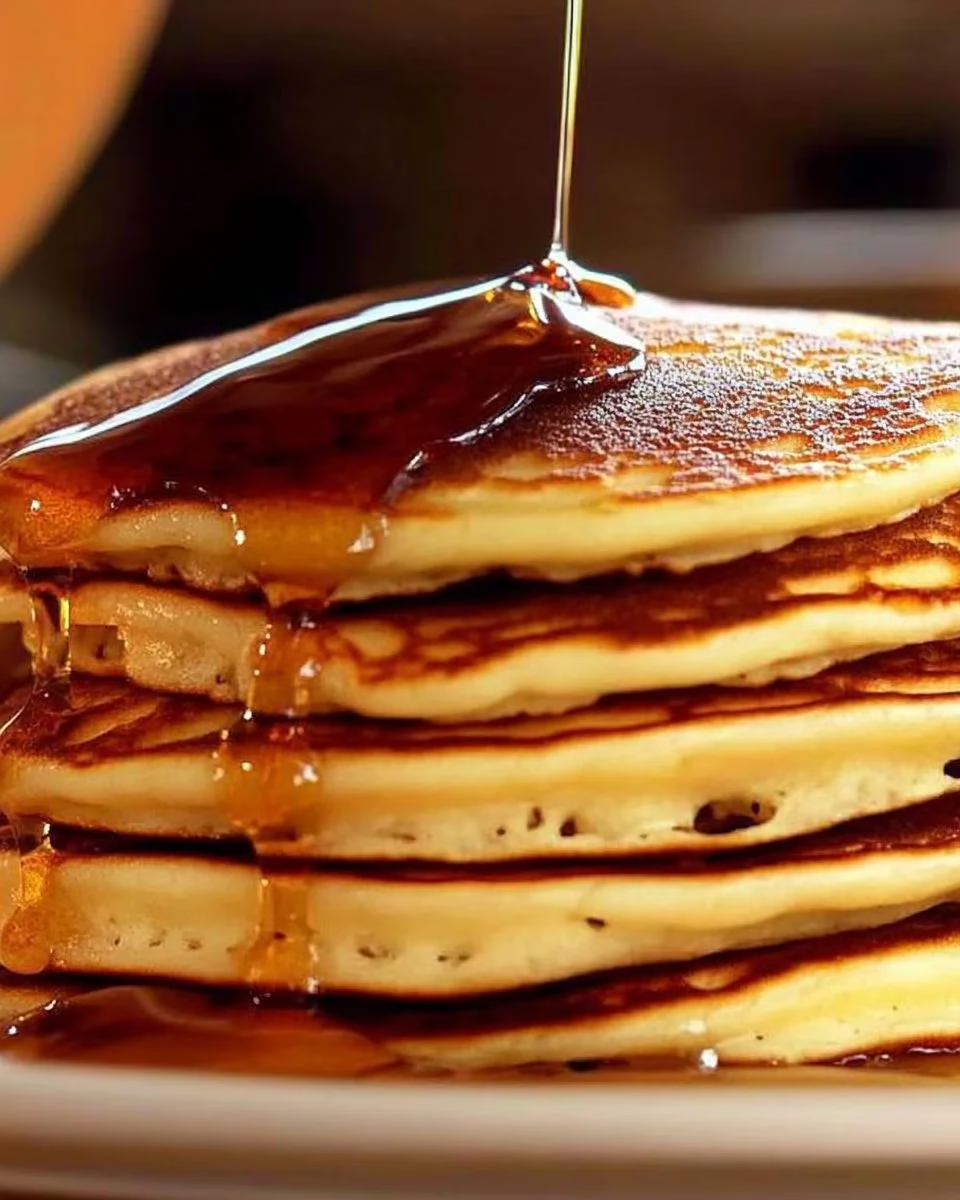
I remember the small hush in the house as the first stack of Old-Fashioned Pancakes came off the skillet, steam rising like a soft promise. The scent of warm butter and simple batter would curl around the kitchen and pull everyone to the table, slippered feet and sleepy smiles and mugs in hand. Those mornings taught me that careful, slow baking is its own kindness, a way to say I am here and I care. If you enjoy gentle, honest recipes you can return to again and again, you might also like this humble apple yogurt pancakes recipe that shares the same soft spirit.
The Story Behind These Old-Fashioned Pancakes
This recipe lives in the quiet part of my recipe box, the place where the recipes are dogeared from years of small, kind meals. I first wrote it down after a rainy afternoon when I wanted something comforting and quick, something that fed both the body and the mood. It has stayed because it is forgiving, because a child with sticky fingers can help measure and pour and still end up with something tender and good.
Old-Fashioned Pancakes are the kind of thing you make when time is a little slower and you have room to breathe. They pair well with a soft voice and slow buttering, with conversations that drift and return. I keep this recipe close because it has given me warm breakfasts for guests and quiet mornings for myself, and because it teaches patience in a friendly way.
Why Old-Fashioned Pancakes Feels Comforting
There is comfort in old methods and simple ingredients. Flour, milk, an egg, a touch of sugar, a bit of baking powder, and butter, all mixed with a little patience, become something small but complete. The batter is never fussy, and the skillet is a dependable partner. These pancakes remind me of childhood houses where a skillet was often warm and someone always had time for a second helping.
We bake for the way something feels on the tongue and for the way it settles into memory. These pancakes have a tender crumb and a mild sweetness that makes them easy to share. They are gentle enough for a weekday breakfast and honest enough to stand at the center of a simple weekend table.
Bringing Old-Fashioned Pancakes Together
“Some recipes just feel right the moment they come together.”
The process is quiet and reassuring. Start by whisking the dry ingredients until they look even and soft, then fold the wet into the dry with just enough motion to bring the batter together. You will still see little streaks, and that is fine. Heat the skillet until it is warm and steady, not fierce, and watch for tiny bubbles to rise before you turn each pancake.
Cooking is a kind of listening. Listen for a gentle sizzle and watch for the edges to look dry and slightly set. The flip should be confident but gentle, and the color should be a warm, even gold rather than a dark brown. Let the pancakes sit for a short moment after they leave the skillet, and notice how the steam fades into a soft, nourishing scent.
Ingredients You’ll Need
1 cup all-purpose flour, room temperature helps with texture.
2 tablespoons baking powder, the lift that keeps these light.
1 cup milk, whole milk gives richness but any milk will do.
1 large egg, beaten gently to loosen the batter.
2 tablespoons sugar, just a touch of sweetness.
1 tablespoon melted butter, this adds a classic richness.
Pinch of salt, to balance the sweetness and bring out the flavors.
These are simple items you likely have on hand. If you want a softer batter, let the milk sit for a few minutes to come to room temperature. If you prefer a lighter touch, use a bit less sugar. I list them plainly because that is the point: simple ingredients that work together without fuss.
Step-by-Step Directions
-
In a mixing bowl, whisk together the flour, baking powder, sugar, and salt.
Whisk until the dry mix looks even and there are no lumps of baking powder. This gives the batter a gentle lift and a predictable texture. -
In another bowl, combine the milk, egg, and melted butter.
Beat them together until the egg is well mixed and the butter is fully incorporated, leaving the mixture smooth and slightly glossy. -
Pour the wet ingredients into the dry ingredients and stir until just combined.
Stir with a wooden spoon or spatula until the flour is moistened; small lumps are fine and keep the pancakes tender, so do not overmix. -
Heat a non-stick skillet over medium heat and pour 1/4 cup of batter for each pancake.
When a drop of water skitters and dances on the surface, the pan is ready; pour and leave space between pancakes so they cook evenly. -
Cook until bubbles form on the surface, then flip and cook until golden brown on the other side.
Watch for even, golden color at the edges and a soft set in the center; the flip should reveal a warm, gentle brown that feels just right. -
Serve warm with your favorite toppings.
Let the pancakes rest a moment so they settle and are easier to stack, then add butter, syrup, fruit, or a sprinkle of sugar as you like.
Serving Old-Fashioned Pancakes With Care
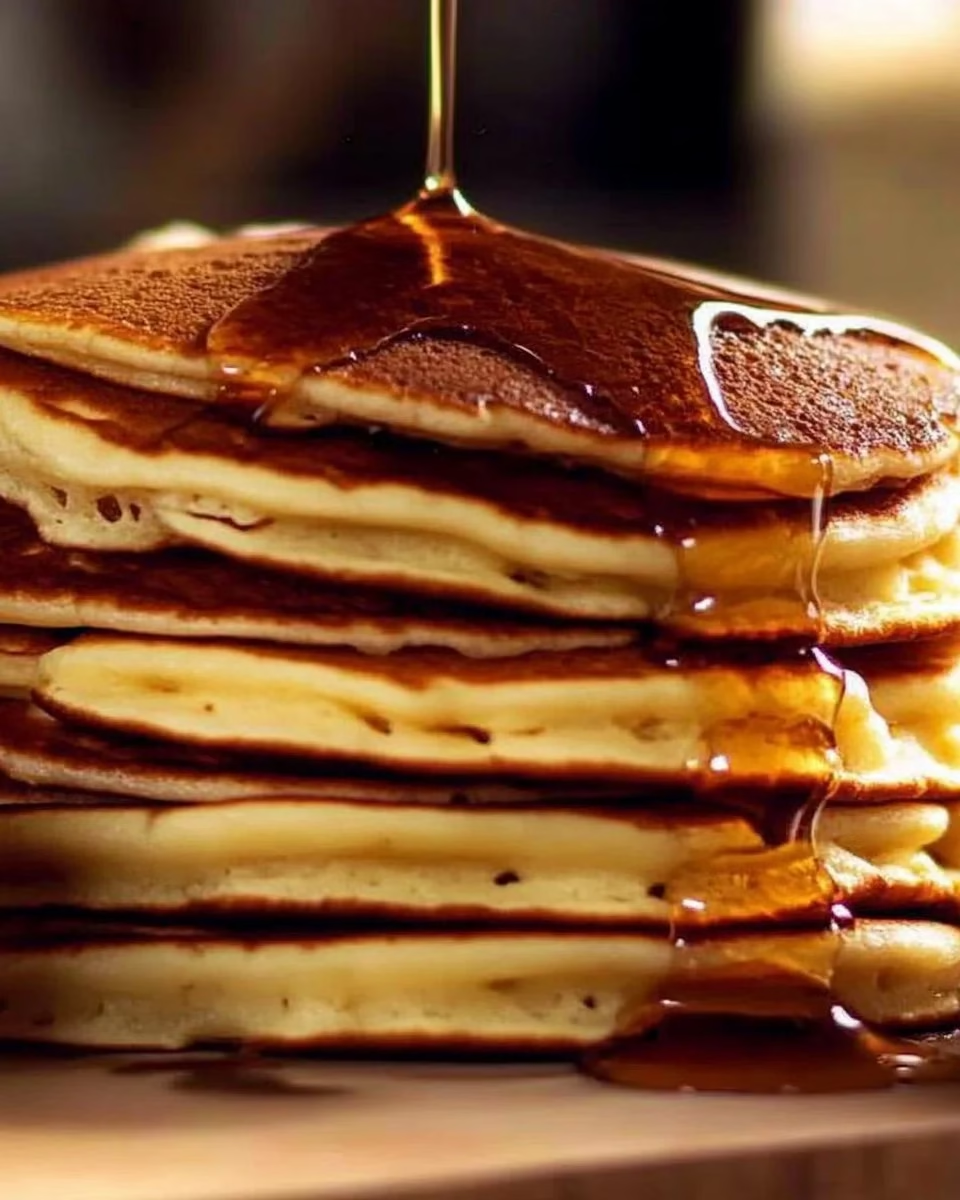
When I serve these pancakes, I think about warmth and small pleasures. I like to set a small dish of butter in the middle of the table, a little jug of maple syrup, and whatever fruit is in season. The stack looks best when the pancakes are still warm and slightly steaming, with butter starting to melt into the little crevices.
For a family morning, I lay the pancakes on a large platter so everyone can help themselves. For a quiet breakfast, I keep one stack on a plate and a cup of coffee nearby. Serve them with a soft dollop of yogurt or a scattering of berries when you want a brighter note, or with a simple pat of butter and syrup for the full comforting effect.
I sometimes bring them to neighbors or tuck a small stack into a tin when someone needs a quiet lift. The method is forgiving enough that they travel well when wrapped up and kept warm for a short time. Little gestures like that keep the kitchen connected to the life beyond it.
We tried a version with apple and yogurt recently and it reminded me how small changes can feel like new memories while still staying true to the original comfort.
Storing Old-Fashioned Pancakes for Later
If you have leftovers, they keep nicely for a day or two in the refrigerator. Stack the pancakes with a sheet of parchment between them to prevent sticking, and cover them loosely so they do not dry out. Reheat in a warm skillet or a toaster oven to bring back a fresh, slightly crisp edge.
For longer storage, freeze individual pancakes in a single layer on a tray, then transfer them to a freezer bag. They thaw quickly in the microwave or in a warm oven and often taste closer to fresh when warmed gently. A small tip is to let them cool completely before freezing so they retain their texture.
When reheating, avoid high heat which can toughen the pancake. Use a low oven or a dry skillet over low flame, and watch closely until they are evenly warmed. They will soften as the steam returns, and a little butter brushed on top brings back the homey shine.
Mary’s Baking Notes
-
Let the batter rest for five to ten minutes if you have a moment.
This helps the flour hydrate and the baking powder settle, which makes the pancakes a touch more tender. -
Use a measuring cup for each pancake portion to keep sizes even.
A consistent size helps them cook at the same rate and makes stacking neater when you serve. -
Do not overmix the batter.
A few small lumps keep the crumb soft; if you stir until perfectly smooth you may end up with denser pancakes. -
Keep cooked pancakes warm in a low oven.
Set the oven to about 200 degrees and place the finished pancakes on a rack so they stay gentle and avoid getting soggy. -
Try melting a little butter in the pan and wiping it with a paper towel between batches.
This keeps the surface seasoned and gives you even color without excess oil.
These notes come from slow mornings and many small adjustments over time. They are small habits that give steady, reliable results and make the kitchen feel like a friendly place.
Family Variations on Old-Fashioned Pancakes
We like to keep the base the same and change the small things. Stirring in a handful of fresh blueberries at the last moment gives a sweet pop in the middle. A teaspoon of vanilla in the wet mix adds a soft floral note without changing the texture.
For a heartier breakfast, fold in a few tablespoons of old-fashioned oats or a little mashed banana. If you want a cozy winter version, sprinkle a pinch of cinnamon into the dry ingredients and top the pancakes with warmed apples. These changes are small and familiar, and they keep the pancakes rooted in comfort.
If you have family members who like a touch of crunch, try serving with toasted nuts on top. For a lighter feel, a lemon syrup or a thin dusting of powdered sugar can brighten the plate without taking away from the classic taste.
Helpful Notes Before You Begin
-
Can I make this ahead of time?
Yes, and it often holds up beautifully, especially when stored properly and allowed to rest overnight. Refrigerate the batter for a short while if you make it ahead, then give it a gentle stir before cooking. -
Can I use a different flour?
You can try a mix of half whole wheat and half all-purpose, but expect a slightly heartier texture and a need for a touch more liquid. All-purpose flour is the most forgiving for this recipe. -
What if I do not have melted butter?
You can use a neutral oil like vegetable oil in the batter, and a small pat of butter on the skillet will help with color. The taste will be slightly different but still familiar and warm. -
How do I know when the pan is the right temperature?
A drop of water should dance on the skillet rather than vanish instantly. If it evaporates too quickly, lower the heat; if it sits without moving, warm the pan a touch more. -
Can I make these dairy free?
Yes, a plant milk and a neutral oil will work in place of milk and butter. The texture may change a little, but the pancakes will still be tender and comforting.
These answers come from years of making small breakfasts and listening to how a batter looks and sounds. They are meant to be encouraging rather than strict rules.
FAQs About Old-Fashioned Pancakes
Can I freeze assembled pancakes?
Yes, you can freeze cooked pancakes in a single layer and then store them in a sealed bag. They thaw quickly and warm nicely in a skillet or oven without losing their tender texture.
How do I keep pancakes warm while I finish a batch?
Place them on a wire rack set over a low oven so air circulates and keeps them from getting soggy. This also helps maintain a light surface until you are ready to serve.
Why are my pancakes sometimes dense?
Often that is from overmixing or too much heavy liquid at once. Measure carefully, stir until just combined, and give the batter a short rest to let the flour soften.
Can children help with this recipe?
Yes, the simple steps make this a lovely recipe to share with kids. Let them measure, pour, and watch the bubbles appear. Cooking with children is as much about teaching calm and care as it is about the final plate.
What is the best oil or fat for the skillet?
A small brush of butter or a light oil works well. I prefer butter for the taste, and wiping the pan between batches keeps the color even without excess grease.
From My Kitchen to Yours
I hope this Old-Fashioned Pancakes brings a little comfort to your kitchen, the same way it has in mine over the years. Treat the process like a soft conversation with the pan rather than a race, and you will find steady results that feel like home. Share them on slow mornings, tuck them into a lunch for someone who needs a bright note, or keep them for a quiet second helping while you sip your coffee.
These pancakes remind me that the best recipes are those that return to simple care, and that small rituals at the stove can be meaningful. Make a batch, breathe in the warm scent, and take your time. The kitchen is patient, and so are good recipes.
Old-Fashioned Pancakes
Ingredients
Dry Ingredients
- 1 cup all-purpose flour Room temperature helps with texture.
- 2 tablespoons baking powder The lift that keeps these light.
- 2 tablespoons sugar Just a touch of sweetness.
- 1 pinch salt To balance the sweetness and bring out the flavors.
Wet Ingredients
- 1 cup milk Whole milk gives richness but any milk will do.
- 1 large egg Beaten gently to loosen the batter.
- 1 tablespoon melted butter This adds a classic richness.
Instructions
Preparation
- In a mixing bowl, whisk together the flour, baking powder, sugar, and salt until even and soft, with no lumps.
- In another bowl, combine the milk, egg, and melted butter, beating until smooth and glossy.
- Pour the wet ingredients into the dry ingredients and stir until just combined, leaving small lumps.
Cooking
- Heat a non-stick skillet over medium heat. Pour 1/4 cup of batter for each pancake.
- Cook until bubbles form on the surface, then flip and cook until golden brown on the other side.
Serving
- Serve warm with your favorite toppings like butter, syrup, or fruit.