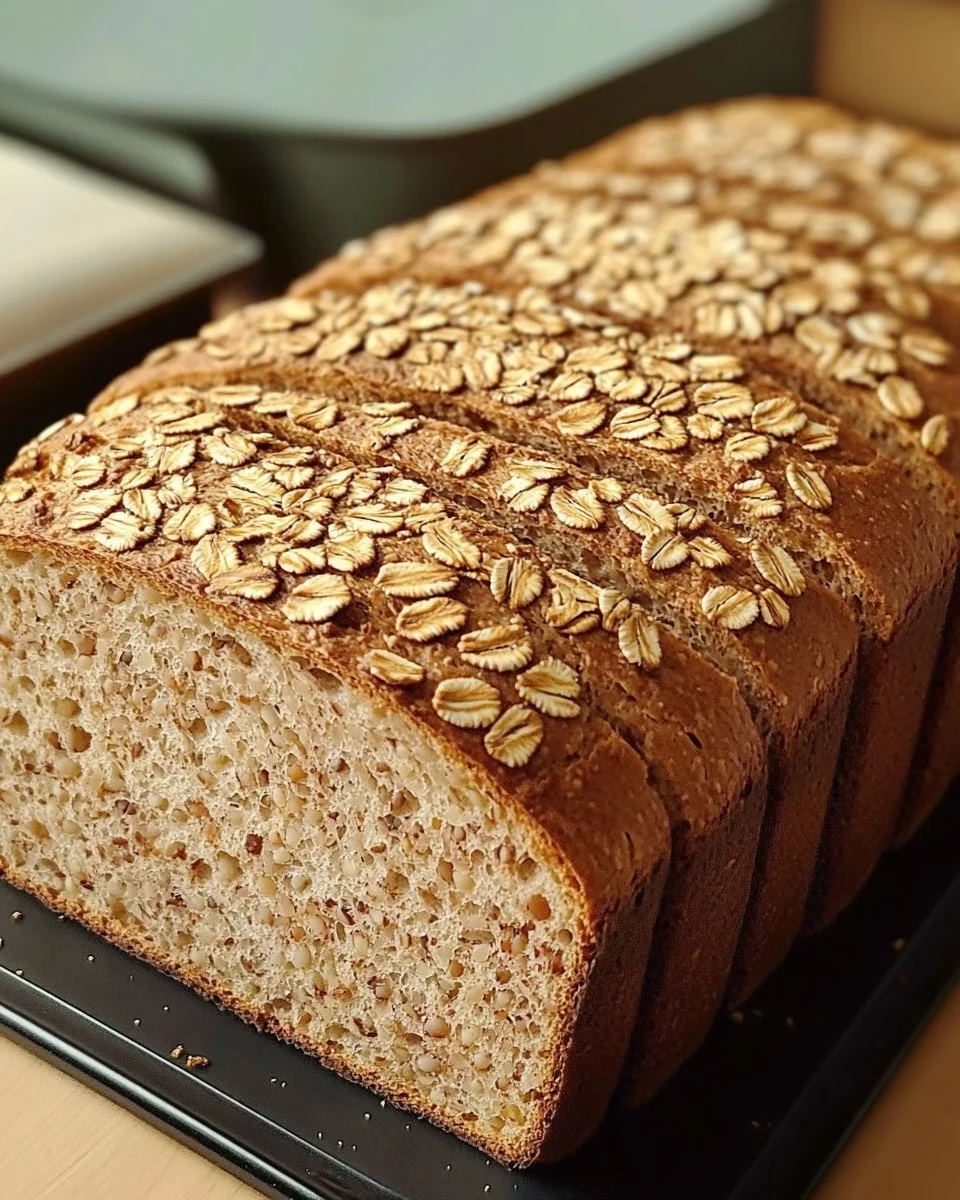
The kitchen smelled like warm flour and late-summer honey, and that steady hiss from the oven felt like a gentle drumbeat for the week. I remember pulling this loaf from the pan, the crust crackling as I lifted it, and the little faces around the counter waiting for the first slice. That soft, nutty steam filled the small house and settled into the blankets and the afternoon light, the kind of smell that stays with you long after the bread is gone. If you love simple, true loaves that feel like home, you might also enjoy my beer bread recipe which shares the same easy, forgiving spirit.
Why This Multigrain Bread Still Feels Like Home
This Multigrain Bread belongs to a long string of Saturday mornings where small things mattered most. I learned to bake it from a neighbor who taught me to measure by feel as much as by cup. We would stand at her old wooden table, fingers dusted with flour, talking about the kids and the weather while dough stuck to our palms. That loaf held more than seeds and grains; it held conversations and the quiet practice of making something good for the people you love.
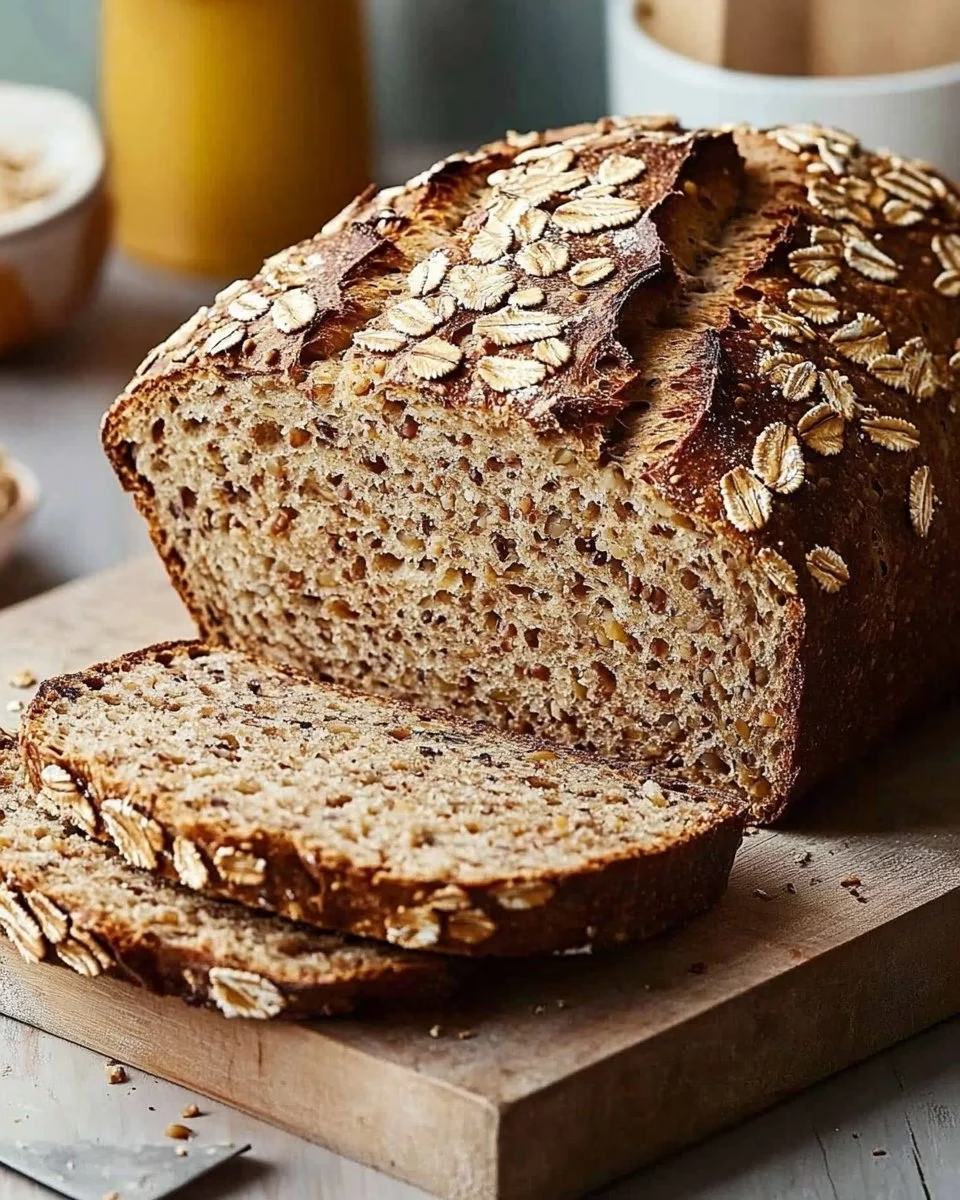
What makes this loaf special is how it welcomes everyday life. It is sturdy enough to hold a thick smear of butter for quick school lunches and soft enough to cradle a bowl of soup on a rain-soaked evening. The mix of textures—chewy oats, crunchy sunflower seeds, and the subtle snap of flax—gives each slice a small story to tell. It is the kind of bread that sits on the counter and invites people to gather without fuss.
I do not pretend this loaf is fancy. It is honest. It asks only for a few minutes of attention and then a little waiting. The reward is more than the taste. It is the way the house feels when the bread is baking, the pull of memory when someone tears off a warm corner, and the slow, contented settlement around the table as we pass plates and stories.
Bringing Multigrain Bread Together
“Every time I stir this pot, it smells just like Sunday at home.”
The process of making this bread has a rhythm to it, like a familiar song. The dry mix looks like a small field at first, pale and speckled with oats and seeds. When the yeast meets warm water, little bubbles appear like tiny promises. Once the oil joins the party, the dough smooths and gathers, no longer loose but willing to be shaped.
Kneading is where the dough tells you its story. At first it resists, sticking to your fingers like a shy child. As you fold and press, it becomes more confident. The surface turns glossy, a gentle sheen that catches the light. When you leave it to rise, it puffs like a chest taking a deep breath, and you know it is ready. The smell that fills the kitchen then is a soft mix of grain and warmth, the kind that makes you want to call someone just to share it.
When the loaves bake, the crust forms with a steady hiss and a slow darkening. The oven sound becomes a companion. You watch for the edges to turn golden and for the crust to give a small, satisfying crack when tapped. Then the waiting begins again, but this time it is a happy, patient wait, because the aroma means comfort is close.
Ingredients You’ll Need
3 cups whole wheat flour
1 cup rolled oats
1/2 cup sunflower seeds
1/2 cup flaxseeds
2 teaspoons salt
1 tablespoon sugar
2 teaspoons active dry yeast
2 cups warm water
2 tablespoons olive oil
a little extra vanilla if you love a cozy aroma
fresh butter gives this its richness
I list these ingredients plainly because that is how I like to cook. I want you to feel invited, not overwhelmed. The whole wheat flour gives the loaf its heart and body. The oats and seeds add a friendly chew and a whisper of crunch. Salt and a touch of sugar balance the flavor, and the yeast and warm water do the quiet work of making the loaf rise. Olive oil keeps the crumb tender and makes the crust sing.
Those little side notes are for when you want to make the bread even more of your own. A splash of vanilla can give it a soft perfume that feels like a hug. A good pat of fresh butter on a warm slice brings out the grain in a way that always makes me smile. These are small choices with big comfort.
Step-by-Step Directions
-
In a large bowl, combine whole wheat flour, rolled oats, sunflower seeds, flaxseeds, salt, and sugar. Stir until the dry mix looks even and speckled with the seeds and oats, each piece settled in its place. You want the bowl to feel full and promising.
-
In a separate bowl, dissolve the yeast in warm water and let it sit for about 5 minutes. Watch as small bubbles gather on the surface and a soft scent of bread begins to rise. That waking of the yeast is a little miracle each time.
-
Add the yeast mixture and olive oil to the flour mixture, stirring until a dough forms. Mix with a wooden spoon at first, then bring it together with your hands until it is shaggy and holding. The dough will feel cool and slightly tacky.
-
Knead the dough on a floured surface for about 10 minutes until smooth. Press and fold, feeling the dough change from rough to elastic, glossy under your palms. A well-kneaded dough springs back when you press it with a finger.
-
Place the dough in a greased bowl, cover, and let it rise in a warm place for about 1 hour or until doubled in size. Leave it somewhere cozy, out of drafts, and listen to the house quiet down around the rising. When it has doubled, it will look soft and puffy.
-
Preheat your oven to 375°F (190°C). Give it plenty of time to come up to temperature so the loaves bake evenly and the crust forms just right. The oven warmth is the last step before the bread finds its golden skin.
-
Punch down the dough, divide it into two loaves, and place in greased loaf pans. Press the dough gently into place and smooth the tops. The loaves should sit comfortably in their pans, ready to grow again.
-
Let the loaves rise for another 30 minutes. The second rise is like a gentle promise, a short rest that makes the bread lighter and kinder. Watch as the surface plumps and the kernels show a little strength against the dough.
-
Bake for 30-35 minutes or until golden brown. The kitchen will change as the crust forms and the scent deepens from wheat to toasty, to finished. Tap the bottom and listen for that hollow sound that tells you the loaf is done, or wait for the edges to turn golden and steady.
-
Allow to cool before slicing. Let the bread rest on a wire rack and breathe in the warmth. Slicing too soon will make the crumb gummy, so patience here keeps the texture perfect and the flavor true.
How We Enjoy Multigrain Bread at Home
We eat this bread at slow breakfasts and hurried lunches. A thick slice at breakfast holds a runny egg like a small treasure. During school days it becomes the backbone of peanut butter and honey sandwiches tucked into lunchboxes with little notes. On a quiet evening it sits beside a bowl of tomato soup, the perfect tool for dipping and savoring.
When friends come over, I like to set out a platter of sliced bread, a small dish of olive oil with crushed garlic for dipping, and a bowl of soft butter. Conversations start slow and then move into easy places as people reach for a slice. For family dinners, it is common to tear off a piece while we set the table, sharing a warm corner before the plates arrive.
The loaf also carries a few small rituals at my house. We always toast the end slice and save it for the cat, who insists it is a delicacy. We sometimes make hearty open-faced sandwiches on Sundays with roasted vegetables, soft goat cheese, and a drizzle of honey. Simple touches like these make the bread part of our everyday story.
Storing Multigrain Bread for Tomorrow
When there is leftover bread, I like to wrap it gently in a clean kitchen towel and store it in a bread box or a cool pantry. That way the crust keeps a gentle bite and the crumb stays moist without sweating. If you need longer storage, slice and freeze the loaf in a sealed bag, and toast slices straight from the freezer for a fresh, crisp result.
Reheating works like a small act of kindness. For a quick refresh, pop slices into a toaster and let the heat bring back the crunch. For larger pieces, warm them in a low oven wrapped in foil for 10 minutes to revive the interior. Over time the flavors mellow and deepen, and that second-day slice often tastes more rounded and comforting than the first.
If you like to plan ahead, make a double batch and freeze one loaf. It keeps for a couple of months without losing much of its spirit. Pull it out the night before you need it and let it thaw at room temperature, or warm it slowly in the oven the next morning for a fresh feel.
Amelia’s Kitchen Notes
-
Swap and play. If you do not have flaxseeds, chia works fine, and a small handful of chopped nuts adds a lovely snap. The loaf will still be honest and nourishing.
-
Keep water warm, not hot. Yeast likes a bath that feels like a warm handshake, not a scalding bath. Too-hot water will dull the yeast, and your rise will be shy.
-
No mixer, no problem. You can do this by hand without a stand mixer. The kneading is good for the hands, and it connects you to the dough in a way machines cannot.
-
Clean as you go. Sprinkle a little flour on your counter before kneading and keep a damp cloth nearby to wipe up stray bits. The cleanup is part of the rhythm, not an obstacle.
-
Make a day of it. The recipe tolerates a slow rise if you want to keep the dough in the fridge overnight. Cold fermentation deepens flavor and makes morning baking a joy.
These tips are the small things I have learned over many loaves. They are not rules to make you nervous. Think of them as friendly nudges that lead to better bread and fewer surprises.
Family Variations on Multigrain Bread
We have a few family twists that keep this loaf fresh across seasons. In the fall I fold in a handful of toasted pumpkin seeds and a teaspoon of cinnamon for a warm, cozy note. In the spring we sometimes add a large spoonful of sunflower seed butter to the dough for richness and a nutty aroma.
For a savory turn, stir in some chopped fresh rosemary and a generous sprinkle of coarse salt on top before baking. It becomes a lovely pairing for roasted vegetables or a plate of soft cheeses. Kids love when I add a few raisins and a drizzle of honey to the dough for a naturally sweet sandwich bread that brightens up school snacks.
Another favorite is a simple olive and herb version. Chop briny olives and fold them into the dough with a handful of chopped basil. The bread becomes a companion for a light salad or a bowl of bright soup. These variations are small invitations to make the loaf your own.
While practicing these variations, I keep a little notebook where I jot down what worked and what I might change next time. That way the family favorites get better with every bake, and the simple act of writing keeps the memory alive.
Bringing Multigrain Bread to the Table
I love setting a table that feels warm but unpretentious. A wooden board, a small jam jar full of softened butter, a knife that remembers many breakfasts. When the bread comes to the table, I like to cut one end and present it in a low stack so people can help themselves. A little bowl of sliced tomatoes or a wedge of sharp cheese makes a complete, comforting plate.
For a casual brunch, arrange slices on a platter with bowls of avocado mash, smoked salmon, and thinly sliced radishes. The bread takes toppings well and holds them without falling apart. At dinner, let it do the heavy lifting alongside a stew or a big pot of beans. The texture of the grains plays nicely with creamy or brothy dishes, giving each bite a satisfying chew.
We have a small tradition of letting the children pick toppings for their own slices. It is a way to let them feel involved and to create small masterpieces that end up on the table with pride. The rituals are simple, but they turn a loaf into a gathering.
FAQs About Multigrain Bread
Can I make this ahead of time?
Yes, and honestly, it might taste even better the next day once the flavors have settled and come together. You can also refrigerate the dough after the first rise and bake it the following day for a deeper flavor.
What if I do not have active dry yeast?
You can use instant yeast at a slightly reduced amount, and it can be mixed directly with the dry ingredients. If you only have fresh yeast, use about three times the weight, crumbled into the warm water.
How do I know when the bread is fully baked?
Tap the bottom of the loaf and listen for a hollow sound. The crust should be a steady golden brown, and the internal temperature should reach about 190°F to 200°F if you use a thermometer.
Can I change the grains and seeds?
Absolutely. Swap in what you have on hand. Chopped nuts, hemp seeds, or a bit of millet all work. Just keep the total dry measure similar so the dough stays balanced.
Is there a way to make this gluten-free?
This particular recipe relies on whole wheat structure, so a simple swap will not work. For a gluten-free loaf, it is best to follow a recipe built for gluten-free flours and binders, which changes the texture and technique.
Little Lessons From My Kitchen
One quiet thing I learned while making this bread is to trust the dough. A slightly under-kneaded loaf will still be kind to your family. A slightly over-proofed loaf might have a rustic charm. Bread baking asks for patience but not perfection.
I also learned that the best slices are the ones shared. Invite a neighbor over with a warm piece and you will find recipes become stories that travel. A good loaf can make an ordinary afternoon feel a little special.
Finally, keep smiling when things go wrong. I have burned a loaf or two, and they were still useful as breadcrumbs for a future dinner. The kitchen gives second chances if you let it.
Family Favorites to Pair With Multigrain Bread
When we want something sweet after a bread-forward meal, we reach for a small plate of cookies. My children adore a buttery, jam-filled shortbread that melts when you bite into it. If that sounds like your kind of ending, try our family favorite buttery raspberry swirl shortbread cookies for a simple, happy finish.
For savory meals, a chunky vegetable stew or a classic chicken soup makes this bread sing. Spread a slice with ricotta and honey for a quiet breakfast, or top it with sliced apples and sharp cheddar for a quick snack. These pairings are small choices that turn a loaf into a full meal.
A Final Thought
I hope this Multigrain Bread brings a little warmth and inspiration to your kitchen, the same way it does in mine. There is something humble and true about making bread for the people you love, and I am grateful to share this loaf with you. May your counters be dusted with flour, your oven run warm, and your table full of good company until the next recipe brings us back together.
Multigrain Bread
Ingredients
Dry Ingredients
- 3 cups whole wheat flour
- 1 cup rolled oats
- 1/2 cup sunflower seeds
- 1/2 cup flaxseeds
- 2 teaspoons salt
- 1 tablespoon sugar
- 2 teaspoons active dry yeast
Wet Ingredients
- 2 cups warm water Ensure water is warm, not hot.
- 2 tablespoons olive oil
- a little extra vanilla Optional for added aroma.
- fresh butter For richness.
Instructions
Preparation
- In a large bowl, combine whole wheat flour, rolled oats, sunflower seeds, flaxseeds, salt, and sugar. Stir until evenly mixed.
- In a separate bowl, dissolve the yeast in warm water and let it sit for about 5 minutes until bubbly.
- Add the yeast mixture and olive oil to the flour mixture, stirring until a dough forms.
- Knead the dough on a floured surface for about 10 minutes until smooth and elastic.
Rising
- Place the dough in a greased bowl, cover, and let it rise in a warm place for about 1 hour or until doubled in size.
Baking
- Preheat your oven to 375°F (190°C).
- Punch down the dough, divide it into two loaves, and place in greased loaf pans.
- Let the loaves rise for another 30 minutes.
- Bake for 30-35 minutes or until golden brown. Tap the bottom to check for a hollow sound.
- Allow to cool before slicing on a wire rack.