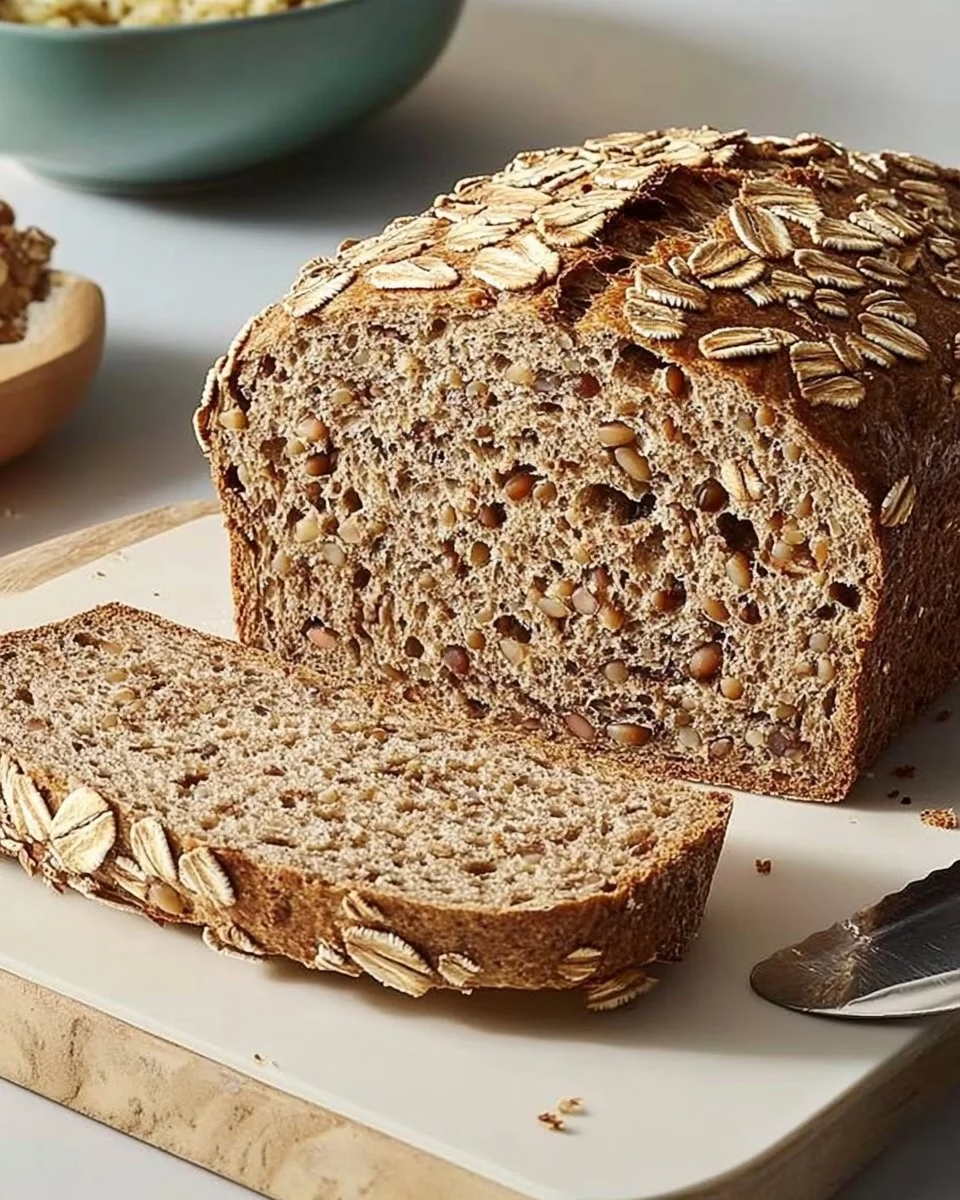
The kitchen light warms the wooden table as I knead dough that smells of oats and honey. I remember my mother setting two loaves on the sill to cool while she brewed coffee, and how the house seemed to stand still for those warm minutes. Sometimes I pull a plate of cookies from the oven to share with bread, like the soft treats from my pantry, and I reach for a recipe I love, such as buttery raspberry swirl shortbread cookies, because small, familiar comforts belong together.
Why This Multigrain Bread Feels Comforting
This bread has lived on my counter for years because it is steady and kind. It does not demand fancy tools or a precise schedule, only a patient hand and a few simple staples. Whole grains bring a quiet, nutty flavor and a sense of home I know by memory. The oats and seeds give gentle texture that children and grownups both reach for with the same small smile.
I first baked it one cool afternoon when my son wanted bread for his sandwiches the next day. I had whole wheat flour left over from pancakes and a bag of oats that needed using. It rose beautifully, filled the house with a warm, grainy aroma, and became a habit. Over time I learned the small things that keep it dependable: warm water that feels like a soft bath, yeast that grows lively, and a hands-on knead that calms the day.
This recipe feels like an old friend because it forgives little missteps. If your dough needs a touch more flour or a ten minute extra knead, it will still turn into loaves that slice neatly and toast well. For many of us, comfort comes from that steady result. You can make it in the quiet of a weekday morning or while you wait for soup to simmer, and it will reward you with steady flavor and texture.
The Story Behind This Multigrain Bread
I learned to bake by watching people who took their time. My aunt measured by feel and my neighbor judged doneness by the smell. I took pieces of those lessons and wrote them into this recipe. I want your baking to feel patient and reliable, like the slow decisions made in a long kitchen afternoon. This bread is a small act of care, a way to turn pantry staples into something you can share.
When I bring a warm loaf to the table, I watch the way hands reach for it and the quiet conversations that follow. Bread can be the frame for a family to gather, a simple base for jam or cheese, or a way to keep someone company when they need warmth. That is the heart of this recipe. It is not showy. It is steady, full of texture, and made with people in mind.
How to Make Multigrain Bread
“Some recipes just feel right the moment they come together.”
I like to move slowly through the steps so I do not rush the dough or miss the little cues it gives. Begin by checking that your water is warm to the touch, not hot. Watch the yeast wake up and turn frothy; that is the small sign that everything will fall into place. As you mix and knead, you will feel the dough change from shaggy to smooth, and you will sense when it is ready to rest.
Kneading is a gentle conversation with the dough. Press with the heel of your hand, fold the dough, and turn. The process takes about ten minutes, and you will notice a silky feel as gluten forms. When the dough has doubled after its first rise, the air inside feels light and soft. Punching it down is not an act of force but of giving the dough room to relax before you shape it into loaves.
Once the loaves rise a second time, you will see their edges soften and the surface fill with tiny bubbles. Preheat your oven in the last minutes so the loaves meet the heat immediately. As they bake, they will take on an even, golden brown color and a warm aroma that fills the kitchen. Tap the bottom of a finished loaf and listen for a hollow sound; that tells you the crumb set well and the bread is ready to cool.
Ingredients You’ll Need
2 cups whole wheat flour, room temperature helps with texture.
2 cups all-purpose flour, this adds a classic lightness.
1 cup oats, old-fashioned oats bring gentle body.
1/2 cup seeds (like sunflower, flax, or pumpkin), toasted lightly for extra flavor.
1/4 cup honey or sugar, honey adds warmth, sugar gives a neutral sweet note.
2 teaspoons salt, balance is important for flavor.
2 tablespoons olive oil, this adds a subtle richness and keeps crumbs soft.
2 1/4 teaspoons (1 packet) yeast, active and fresh is best for a lively rise.
2 cups warm water, water should feel warm to the wrist, not hot.
These are simple storecupboard things that come together in a way that feels familiar and grounding. If your flour sits cool, bring it to room temperature for a gentler dough. The seeds are flexible; choose what you like and let them speak softly in every slice.
Step-by-Step Directions
-
In a large bowl, combine the warm water, honey, and yeast. Let it sit for 5-10 minutes until frothy. Watch the surface for a light foam that tells you the yeast is alive and ready.
-
In another bowl, mix the whole wheat flour, all-purpose flour, oats, seeds, and salt. Stir until the dry ingredients look even and free of lumps, and smell the grainy warmth as you work.
-
Add the yeast mixture and olive oil to the dry ingredients. Mix until a dough forms, scraping the bowl so no dry flour hides at the bottom.
-
Knead the dough on a floured surface for about 10 minutes until smooth. Press with the heel of your hand, fold, and turn, feeling texture change from shaggy to elastic.
-
Place the dough in a greased bowl, cover, and let it rise until doubled in size, about 1 hour. Find a warm, draft-free spot and wait for the dough to feel light and airy to the touch.
-
Punch down the dough, divide it in half, and shape into loaves. Move gently so you keep some of the air inside and shape each piece into a tidy, even loaf.
-
Place the loaves in greased bread pans. Cover and let rise for another 30-45 minutes. Watch for soft rounding at the top and a gentle spring when you press lightly.
-
Preheat the oven to 375°F (190°C). Make sure the oven is fully hot before the loaves go in so they bake evenly from the start.
-
Bake for 30-35 minutes or until the bread is golden brown and sounds hollow when tapped. Look for even color and a warm, nutty aroma as the best signs of doneness.
-
Let the bread cool before slicing. Allow the loaves to rest until just set and warm but not hot, and slice with a steady hand for neat pieces.
Bringing Multigrain Bread Together
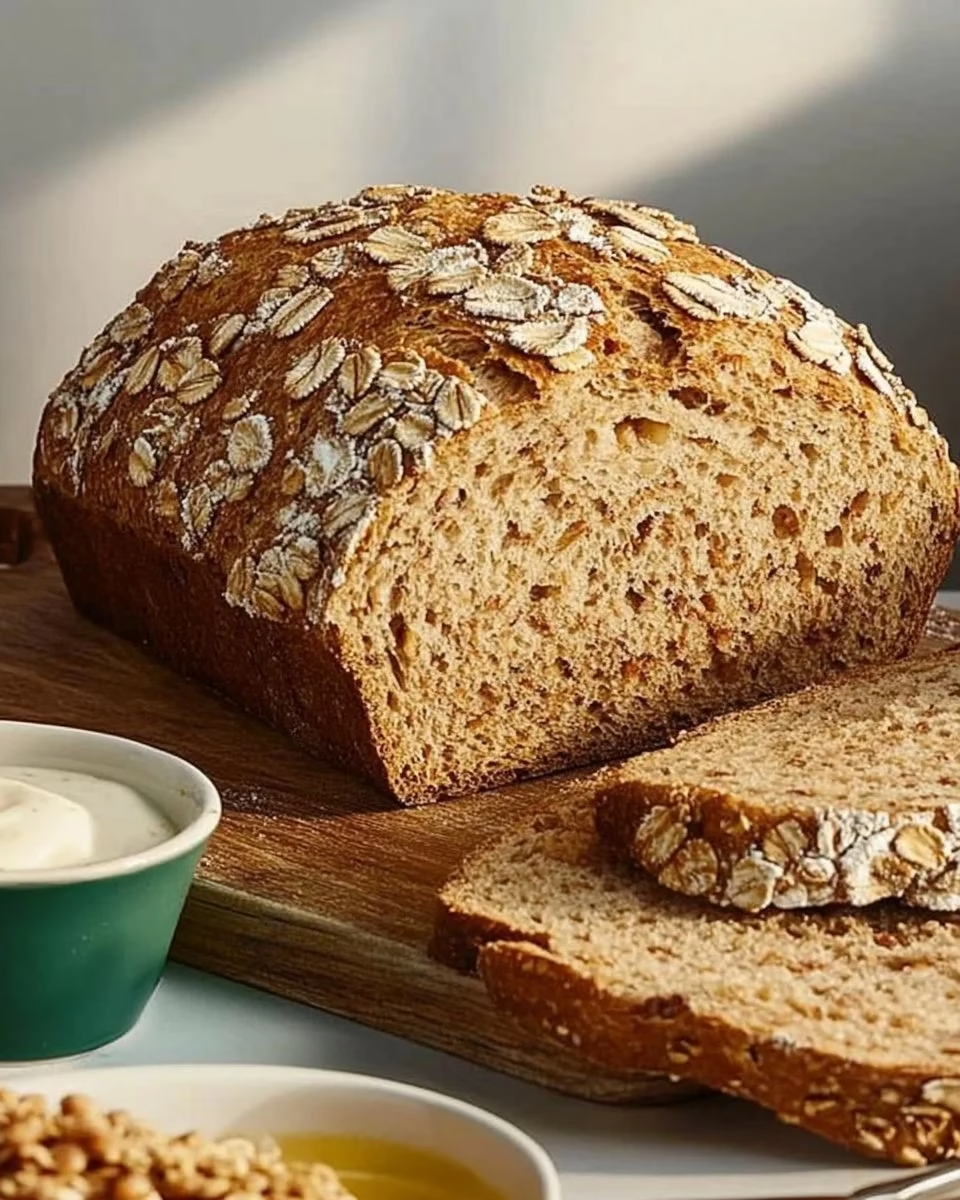
Once you have the loaves cooled on the rack, the satisfaction is simple and steady. I often slice a warm piece and spread butter while the crumbs still hold a hint of steam. The texture is hearty but tender, with seeds that crack softly between teeth. It is bread that makes even a small meal feel wrapped in care.
I love serving it at a family table where conversations are slow and easy. For weekday sandwiches the bread stands up to fillings without losing its gentle crumb. For a Sunday brunch it pairs well with soft cheeses, preserves, or a simple drizzle of olive oil and salt. The loaf gives a quiet frame to whatever else you serve.
Serving Multigrain Bread With Care
We slice this bread thin or thick, depending on the mood, and the way we spread it says a lot about the day. For a weekday breakfast I toast a slice until it edges on golden, then smear with yogurt and honey. On weekends I let the bread be the base for a tray of cheeses and fruit, and we eat slowly while the table fills with light.
At holiday gatherings I tuck slices into a basket and let guests help themselves. The seeds add a welcome bite that pairs with warm soup or roast. For a simple dessert after a family meal, I sometimes serve toasted slices with lemon curd or jam, and the comfort of familiar flavors becomes the soft end to a shared day.
Sometimes a mix of baked goods feels right, and I will put out small cookies beside the bread. A few pieces of candy cane whipped shortbread at holidays bring sweetness that contrasts the grainy loaf. Those small pairings make the table feel thoughtful and the moment a little more deliberate.
Storing Multigrain Bread for Later
If you plan to eat the bread within two days, keep it at room temperature wrapped in a clean tea towel or in a bread box. The towel lets the crust breathe and keeps the crumb from drying out too quickly. For longer storage, slice and freeze portions in airtight bags so you can toast straight from the freezer.
To refresh a slice, pop it in a toaster or warm it briefly in a low oven until edges feel crisp again. If the loaf softens after a couple of days, a quick toast brings back that fresh feeling. I once wrapped a loaf in foil and warmed it gently with a bit of water on a pan, and the crust revived nicely while the inside stayed tender.
Leftover crumbs make fine breadcrumbs or a topping for roasted vegetables, and the seeds add a welcome crunch. Save small stales for bread pudding or stuffing; the flavors deepen as they sit and give your next dish a warm, familiar backbone.
Mary’s Baking Notes
- Measure by feel when you can. A dough that is slightly tacky but pulls away from the bowl will become smooth with a few quick kneads. If it clings heavily to your fingers, add a tablespoon of flour at a time until it loosens.
- Keep the water warm but never hot. If your water is too hot it will slow the yeast or kill it. A good test is the wrist; warm water feels like a warm bath.
- Toast seeds lightly if you have time. Toasting brings out oils and deepens flavor, but if you are short on time, straight seeds are perfectly fine and honest.
- Use a timer for rises but trust your kitchen. In cool rooms a rise may take longer; in warmer spots it will be faster. Look for doubled size, not the clock alone.
- Slice after the loaf rests. Cutting too soon will squash the crumb and make the texture heavy. Give the bread a calm ten to twenty minutes to set.
Family Variations on Multigrain Bread
We often change small things to match the season. In autumn I add a handful of chopped walnuts and a teaspoon of cinnamon for a gentle, warming touch. In spring I fold in a few tablespoons of sunflower seeds and a light lemon zest for brightness. The base recipe stays the same; small changes keep it familiar.
If someone loves a denser loaf, add an extra half cup of oats and a little more water to keep moisture balanced. For a lighter slice, increase the all-purpose flour by a quarter cup and reduce whole wheat slightly. For sweetness that is still old-fashioned, swap honey for the sugar and let the bread take on a soft, floral note.
When feeding a crowd I make extra loaves and slice them thin so everyone can take a piece. If you need an allergy-safe version, try swapping olive oil for a neutral oil and choose seeds that match dietary needs. The recipe is forgiving and welcomes thoughtful swaps.
FAQs About Multigrain Bread
Can I make this ahead of time?
Yes. You can shape the loaves and refrigerate them overnight for a slow rise. Bring them to room temperature before baking so they finish with a gentle, even oven spring.
What if my dough does not rise?
Check the yeast. If it did not foam when mixed with warm water and honey, your yeast may be old. Start over with fresh yeast and make sure the liquid is warm, not hot. Also ensure the dough sits in a draft-free, warm spot.
Can I use only whole wheat flour?
Yes, though the crumb will be denser. You may need a bit more water and a longer knead to develop the gluten. Mixing some all-purpose flour keeps the bread tender while keeping that whole grain flavor.
How long will the bread stay fresh?
At room temperature in a towel or bread box it will stay good for two to three days. Sliced and frozen it will keep for up to a month and toast well straight from the freezer.
Can I add dried fruit?
You can fold in raisins or chopped dried apricots at the shaping stage. Use a half cup to keep the balance of moisture right and press them gently into the loaf so they do not sink as it rises.
A Final Thought
Baking this bread is a small practice of care that gives steady, gentle returns. I hope the routine of measuring, feeling, and waiting brings you the same quiet pleasure it brings me. When you pull a loaf from the oven and breathe in the honeyed grain and warm oats, remember that these are simple comforts meant to be shared.
From my kitchen to yours, may this bread round out your table, keep hands warm, and make ordinary days feel a little more like home.
Multigrain Bread
Ingredients
Dry Ingredients
- 2 cups whole wheat flour Room temperature helps with texture.
- 2 cups all-purpose flour This adds a classic lightness.
- 1 cup oats Old-fashioned oats bring gentle body.
- 1/2 cup seeds (like sunflower, flax, or pumpkin) Toasted lightly for extra flavor.
- 2 teaspoons salt Balance is important for flavor.
Wet Ingredients
- 1/4 cup honey or sugar Honey adds warmth; sugar gives a neutral sweet note.
- 2 tablespoons olive oil Adds a subtle richness and keeps crumbs soft.
- 2 1/4 teaspoons yeast Active and fresh is best for a lively rise.
- 2 cups warm water Water should feel warm to the wrist, not hot.
Instructions
Preparation
- In a large bowl, combine the warm water, honey, and yeast. Let it sit for 5-10 minutes until frothy.
- In another bowl, mix the whole wheat flour, all-purpose flour, oats, seeds, and salt. Stir until free of lumps.
- Add the yeast mixture and olive oil to the dry ingredients. Mix until a dough forms.
Kneading
- Knead the dough on a floured surface for about 10 minutes until smooth.
First Rise
- Place the dough in a greased bowl, cover, and let it rise until doubled in size, about 1 hour.
Shaping
- Punch down the dough, divide it in half, and shape into loaves.
- Place the loaves in greased bread pans. Cover and let rise for another 30-45 minutes.
Baking
- Preheat the oven to 375°F (190°C).
- Bake for 30-35 minutes or until golden brown and sounds hollow when tapped.
Cooling
- Let the bread cool before slicing.