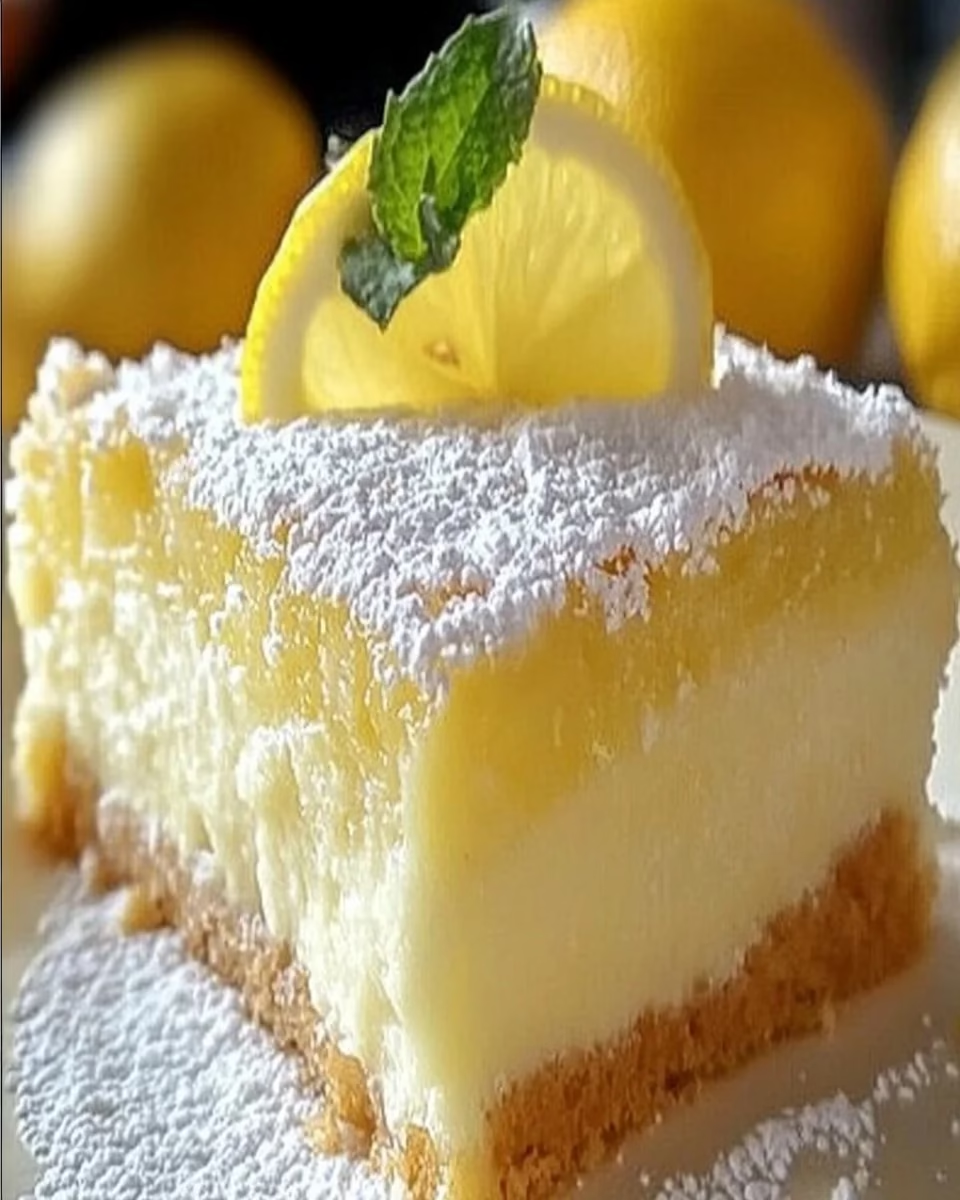
I pulled the tray from the oven on a humid evening and the room filled with a clean, bright lemon scent that cut through the summer air. The top had a soft, golden skin that trembled just a little when I nudged the pan, and I remembered the thrill of the first time a custard balanced between wobble and set. That little give in the center means more than texture; it promises a silky mouthfeel, a lemon note that lingers, and the kind of hush that happens when everyone takes one bite and waits for the rest.
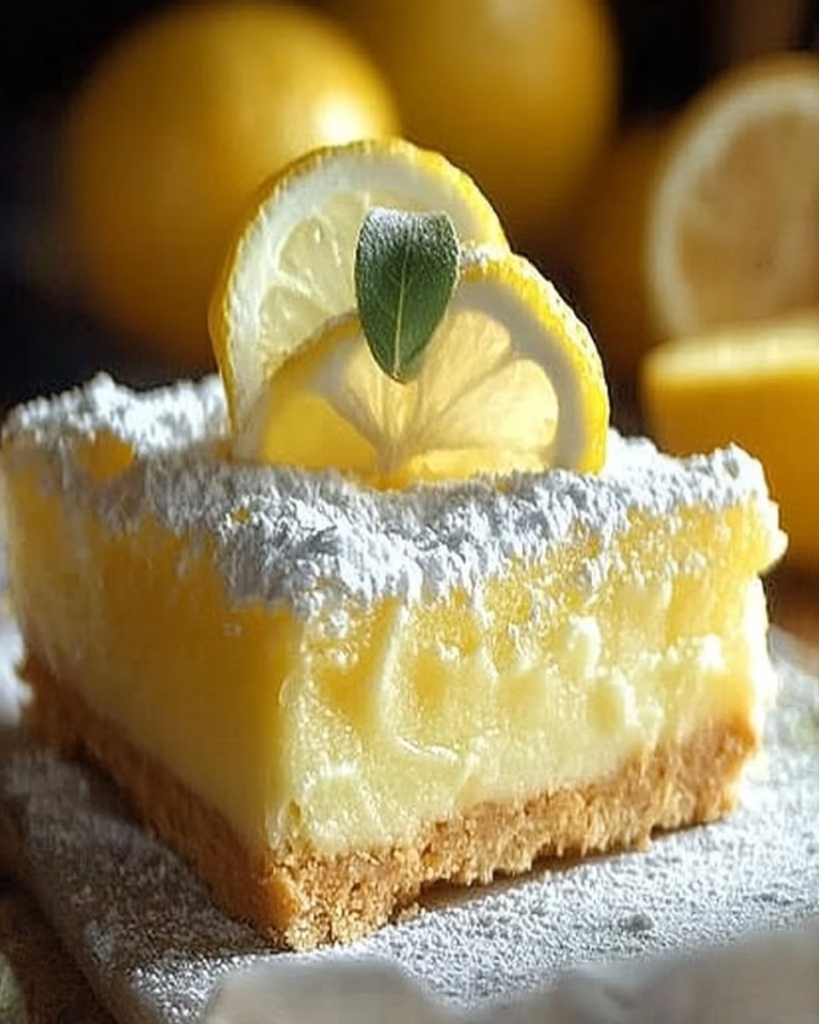
Lemon Custard Cake
Ingredients
Main ingredients
- 4 large large eggs, separated Egg yolks add richness; whites give lift.
- 1 1/4 cups granulated sugar Sweetness that balances lemon without masking it.
- 1 tablespoon freshly grated lemon zest A bright citrus perfume in every bite.
- 1/2 cup melted unsalted butter Adds richness without heaviness.
- 1/2 cup fresh lemon juice The main tang — fresh is best.
- 1 teaspoon vanilla extract Soft warmth to round the lemon.
- 1 cup all-purpose flour This helps with structure.
- 1/4 teaspoon salt A tiny note to sharpen the flavors.
- 1 1/4 cups milk at room temperature Helps thin the batter into custard texture.
- Powdered sugar for garnish (optional) A soft finish that brightens presentation.
Instructions
Preparation
- Preheat oven to 325°F (160°C). Grease and line a 9×9-inch baking pan with parchment paper.
- Whisk egg yolks and granulated sugar in a mixing bowl until pale and creamy.
- Add lemon zest, lemon juice, melted butter, and vanilla extract. Mix until smooth.
- Sift together flour and salt, then gradually add to the wet mixture, stirring until smooth.
- Gradually whisk in room temperature milk to create a thin batter.
Whipping Egg Whites
- In a separate bowl, beat egg whites until stiff peaks form.
- Gently fold the whipped whites into the batter in batches.
Baking
- Pour batter into the prepared pan. Smooth the top and bake for 40-45 minutes until golden and slightly jiggly in the center.
- Allow the cake to cool completely in the pan. Dust with powdered sugar before serving.
Notes
Nutrition
The Story Behind This Small-Batch Lemon Custard Cake
This recipe arrived from a series of late-night experiments and a stubborn wish to make something simple feel special. I wanted a cake that felt like a custard and a custard that ate like cake. The first few tries were too firm, the next few too eggy, and then a small shift — less flour, room-temperature milk, and a careful folding of whites — made the center sing.
I tested this recipe in small batches so I could watch details carefully. I learned to trust the way a batter looks rather than only timing. Those tweaks made a familiar dessert feel new and alive. Along the way I bookmarked a couple of variations that inspired me, like this slightly different take that kept the same gentle texture while nudging the lemon level up a notch: a bright twin recipe.
This recipe matters because it fits the way we actually bake at home. It does not need fancy tools. It rewards attention with texture and aroma. And when it comes out right, it offers that quiet, confident pleasure you get from a dessert that is both comforting and clever.
The Rhythm of Making Lemon Custard Cake
“The moment the texture shifts, you know it’s ready.”
Making this cake has a rhythm that feels almost musical. You start with yolks and sugar and watch them go pale and glossy. From there you add lemon zest and juice, and the batter brightens, smelling sharper and fresher. When flour joins the party it thickens slightly, then milk turns everything into a thin, pourable batter that hints at a custard.
Meanwhile, whip the whites until they hold their shape. The glossy peaks offer a visual promise of lightness. Folding them in is like tucking in a blanket — gentle, patient, careful. Pouring the batter into the pan, smoothing the top, and slipping it into the oven all feel like a long, slow exhale. The bake is where observation matters: a golden top, the faint jiggle in the center, and a smell that tells you the lemon has softened into something rounded. Once rested, the cake slices with a custard-like silkiness that still holds a crumb.
Ingredients You’ll Need
4 large eggs, separated. (Egg yolks add richness; whites give lift.)
1 1/4 cups granulated sugar. (Sweetness that balances lemon without masking it.)
1 tablespoon freshly grated lemon zest. (A bright citrus perfume in every bite.)
1/2 cup melted unsalted butter. (Adds richness without heaviness.)
1/2 cup fresh lemon juice. (The main tang — fresh is best.)
1 teaspoon vanilla extract. (Soft warmth to round the lemon.)
1 cup all-purpose flour. (This helps with structure.)
1/4 teaspoon salt. (A tiny note to sharpen the flavors.)
1 1/4 cups milk (at room temperature). (Helps thin the batter into custard texture.)
Powdered sugar for garnish (optional). (A soft finish that brightens presentation.)
These are humble ingredients with a lot to offer when they are treated with care. Use room-temperature milk so the batter stays smooth, and keep the egg whites cold until you beat them — colder whites often whip more easily. Fresh lemons make a noticeable difference. Zest before juicing to catch the oils, which are the first hit of lemon you’ll smell when you open the oven.
Step-by-Step Directions
Preheat oven to 325°F (160°C). Grease and line a 9×9-inch baking pan with parchment paper. Watch for an even coating of butter so the parchment lies flat and the cake unmolds cleanly. A well-lined pan makes the final reveal calm and satisfying.
Whisk egg yolks and granulated sugar in a mixing bowl until pale and creamy. Work with a steady hand and watch the mixture lose its yellow shine and take on a softer, lighter color. This step builds tenderness and subtle lift in the final cake.
Add lemon zest, lemon juice, melted butter, and vanilla extract. Mix until smooth. Feel the batter loosen and smell the lemon bloom. The butter brings silk while the lemon gives sharpness; they should feel balanced, not broken.
Sift together flour and salt, then gradually add to the wet mixture, stirring until smooth. Sifting keeps the batter light and helps prevent lumps. Stir just until combined; stop as soon as a smooth batter forms to keep the texture gentle.
Gradually whisk in room temperature milk to create a thin batter. The batter should pour like a thin custard; glossy but fluid. This is the stage where it stops feeling like cake batter and starts hinting at custard.
In a separate bowl, beat egg whites until stiff peaks form. Look for shiny, tight peaks that stand tall. Overbeating can dry them out; underbeating leaves them floppy. The right peaks give lift without collapsing the custard feel.
Gently fold into the batter in batches. Use a wide spatula and a gentle draw-and-fold motion so the whites keep their air. Aim for a streak-free batter, but stop short of vigorous mixing to preserve lightness.
Pour batter into the prepared pan. Smooth the top and bake for 40–45 minutes until golden and slightly jiggly in the center. The surface should be a warm gold and the center should wobble gently when you nudge the pan. A toothpick will come out mostly clean with a few moist crumbs.
Allow the cake to cool completely in the pan. Dust with powdered sugar before serving. Cooling lets the custard set fully; patience here rewards texture. Sprinkle powdered sugar just before serving for a soft, pretty finish.
When I Serve Lemon Custard Cake
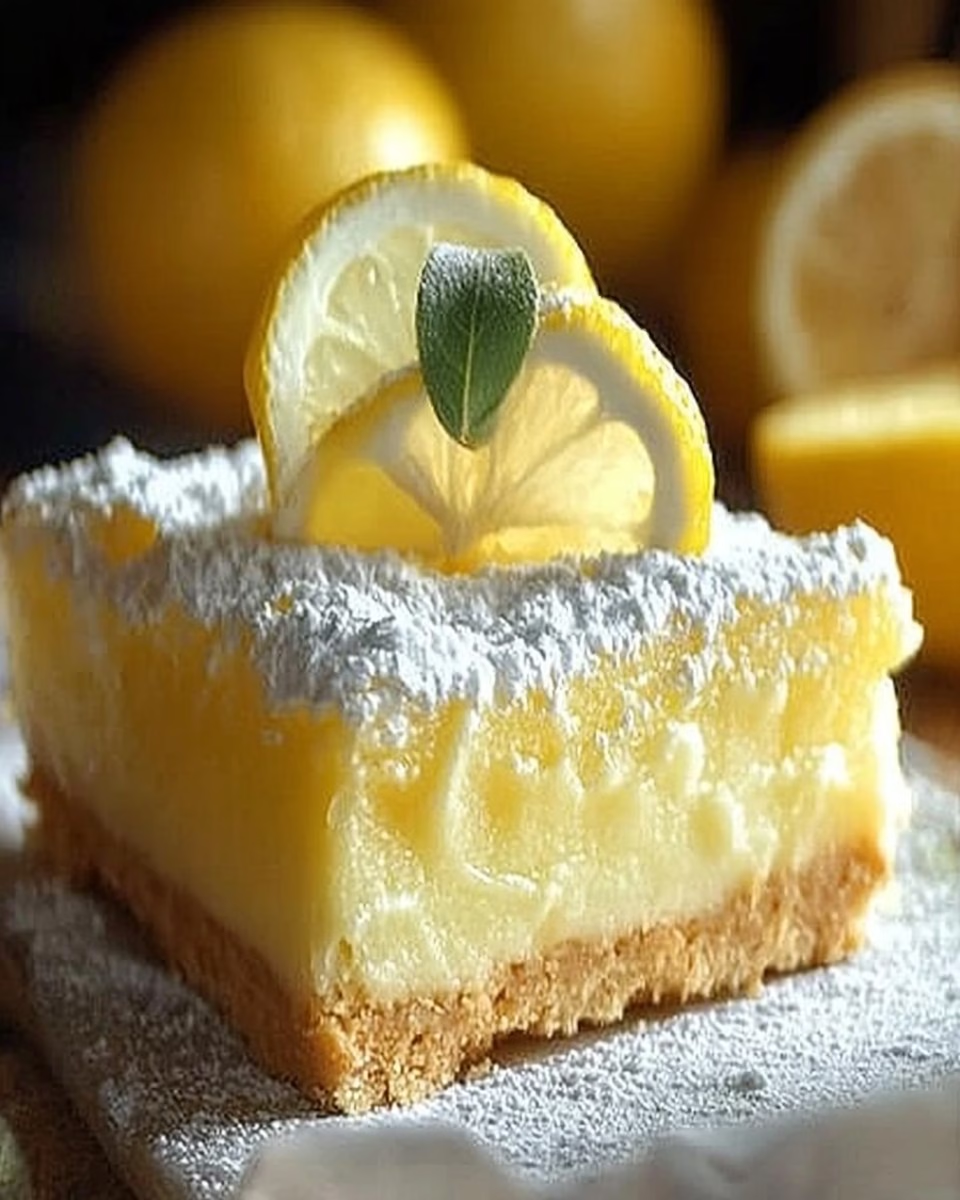
This cake lives in small, thoughtful moments. I love it for a slow Saturday morning with a cup of tea, where a square feels like a gentle start. It also plays well at a casual dinner where a light, citrusy dessert cleanses the palate after a rich meal. Because it is small-batch, it feels ideal for testing and sharing without the pressure of a crowd.
For serving, I slice modest squares and arrange them on a simple plate. A dusting of powdered sugar makes the top look like soft snow and cuts any bright gloss. If you want a contrast, a spoonful of plain yogurt or a small scoop of vanilla ice cream on the side adds creaminess without stealing the spotlight. Fresh berries make a pretty, fresh partner, especially when they are in season.
If you are plating for guests, consider thin lemon slices or a few zest curls on the side. They add color and echo the citrus note. For a rustic, homey look, serve right from the pan with a wide spatula and encourage everyone to take the piece that looks most inviting.
Keeping Lemon Custard Cake Fresh
This cake stores well when you keep texture in mind. Wrap the cooled cake tightly with plastic wrap or place it in an airtight container. Room temperature storage for a day or two keeps the top soft and the center custardy. If you need it to last longer, refrigerate for up to four days; chilling firms the texture slightly and deepens the lemon flavor.
When stored in the fridge, let slices come to room temperature before serving for the best mouthfeel. If the cake seems denser after chilling, a short rest on the counter revives some of the silk. Freeze in individual portions wrapped in parchment and foil for up to one month; thaw overnight in the fridge and then bring to room temperature before enjoying.
If you plan to make ahead, this dessert sometimes benefits from a night in the fridge. The flavor rounds and the custard becomes more cohesive, so a small advance bake can be a comfort rather than a compromise. For a quick refresh, a brief five-minute warm in a low oven will soften the top without melting the interior.
Find the original inspiration useful if you want a reference that leans into slightly different proportions or presentation. I mention it here because I often compare results across a few tried-and-true versions before deciding which one to serve.
Carol’s Baking Notes
Note 1: Texture hinges on timing and temperature
Room-temperature milk and egg yolks help the batter bind smoothly. Cold milk can make the batter seize slightly and lead to uneven texture. Watch for the batter to flow like a thin custard before folding in whites.
Note 2: The lemon balance
Using both zest and juice gives two layers of lemon. Zest gives aroma and bursts of citrus oil, while juice provides the tang. I usually start with the recipe’s measure and then think about my crowd — add a splash more juice if you want a brighter finish.
Note 3: Folding is gentle work
I count folds in batches: fold the whites in thirds so they maintain air. The batter should lose big streaks of white but still feel airy. Overmixing flattens it; undermixing leaves dense pockets.
Note 4: Watch the wobble, not the clock
Ovens vary, so I rely on the center’s feel. It should jiggle slightly, like a soft-set pudding. If it is firm all the way through, the cake will be dry and lose that custard charm.
Note 5: Keep notes
When you test, write the oven temperature, time, and any small swaps. Those tiny notes helped me finally stop chasing minor variations and trust the best approach.
These notes came from repeated small-batch testing where I tried to change one thing at a time. The results improved most when I slowed down and watched how the batter behaved, not just how long it sat in the oven.
Variations I’ve Tried
Light Lavender Lemon: I added a teaspoon of dried culinary lavender steeped briefly in warm milk, then strained it before adding. It gave a floral undernote that pairs well with lemon, but use sparingly so it does not overtake the citrus.
Honeyed Lemon: Replace a tablespoon of sugar with mild honey and reduce the milk by a tablespoon. The honey adds floral depth and a softer sweetness. It changes the color slightly and makes the flavor richer.
Almond Twist: Fold in a tablespoon of almond flour to the dry ingredients and sprinkle slivered almonds on top before baking. This keeps the custard feel but adds a gentle nutty crunch on the surface.
Cream Cheese Swirl: Dollop a softened cream cheese mixture in small spoonfuls on top before baking and swirl gently. It creates ribbons of tangy richness that look beautiful and play nicely with the lemon.
Citrus Mix: Use half lemon and half orange juice, with a teaspoon of orange zest. The orange softens the sharp lemon while keeping the bright profile. This variation is forgiving and popular with kids.
These variations all follow the same basic structure, which is why small changes work. The custard-like center is the guiding idea, and gentle additions keep that quality intact.
Questions I Had While Testing
Can I make this ahead of time?
Yes. In many cases it sets better after resting, especially once the texture has fully settled. Refrigerate for up to four days and bring to room temperature before serving for the best mouthfeel.
What if my egg whites don’t whip?
Make sure your bowl is dry and free of fat. A tiny trace of yolk can stop whites from forming peaks. Use a clean metal or glass bowl and beat at medium speed until the whites gloss and hold firm peaks.
Why is my cake too dense?
You may have overworked the batter when folding or added too much flour. Also check that you didn’t overbake. Gentle folding and watching the wobble will help keep it light.
Can I make this dairy-free?
Yes, substitute a neutral oil for the butter and use a full-fat plant milk that behaves similarly, like oat or almond milk. The texture will shift slightly, so expect a softer set and test in a small batch first.
How can I get more lemon aroma without extra juice?
Add more zest or a few drops of lemon extract very sparingly. Zest contains oils that give immediate aroma, while extra juice adds acidity. Use zest if you want smell, and juice if you want tang.
Helpful Techniques I Rely On
- Always zest before juicing. It’s easy to miss the bright oils if you juice first. Zest tosses aroma into the batter that changes everything.
- Use a wide spatula for folding. It moves gently through a large surface area and helps preserve air.
- Test by feel, not by toothpick alone. A custard cake will have moist crumbs even when set, so jiggling the center tells you more than a dry skewer.
- Keep a small towel under your mixing bowl when whipping whites. It steadies the bowl and keeps your rhythm steady.
- If you are unsure about doneness, check at the low end of the time and give the cake a few additional minutes if needed. Slight underbake is kinder than overbake for custard texture.
Sharing Lemon Custard Cake
This cake is a conversation starter in a low-key way. When I bring it to friends, the first comment is usually about the smell. People mention the clean lemon and the soft top. It’s the sort of dessert that asks for a second glance — a little wobble, a soft slice — and invites curiosity: how exactly did you do that?
For a laid-back gathering I arrange squares on a wooden board with a few spoons and small plates. For a more formal moment, I add a spoon of cream or a thin slice of sugared lemon. Little details like a dusting of powdered sugar or a scattering of fresh mint leaves make it look cared for without fuss.
If you are sharing with someone who is cautious about citrus, consider serving a single small slice with a neutral accompaniment like vanilla cream. The cake’s balance is mild enough to be friendly to many palates, but it always rewards those who like a clean, lemon-forward finish.
FAQs About Lemon Custard Cake
What is the best pan to use for this small batch?
Use a 9×9-inch pan for even cooking and a nice rectangular slice. Glass pans conduct heat a little differently than metal, so adjust your time slightly and check the center earlier if you use glass.
Can I use bottled lemon juice?
Fresh juice is best for brightness and less bitterness. Bottled juices work in a pinch, but the flavor will be less vibrant. If you must use bottled, add a bit more zest to compensate for lost aroma.
How do I prevent the top from cracking?
Avoid high oven temperatures and sudden cooling. Let the cake cool slowly in the pan until it reaches room temperature to reduce top cracks. Cracks don’t harm flavor; they just change the look.
Can I double the recipe?
Yes, but bake in a larger pan and adjust time. A 9×13-inch pan will work, and the center may need extra time. Keep an eye on the wobble rather than strict timing to get the custard balance right.
Is this good for kids?
Yes, it’s often a hit because it’s lightly sweet and soft. For very young children, cut the slices small and skip the powdered sugar to avoid extra sweetness.
More Sweet, Seasonal Treats You’ll Love to Bake Next
If you’re ready to keep that cozy baking rhythm going, there are plenty of sweet, seasonal recipes to explore right here on the site. Lemon fans often drift next toward lemon fluff, magic lemon cobbler, or the ultra-comforting lemon cream cheese dump cake for another bright, spoonable dessert. When nostalgia calls, classics like marshmallow fluff fudge, banana pudding Rice Krispie treats, and better-than-fall pumpkin cake always feel like home. Holiday baking shines with favorites such as no-bake blue Christmas truffles, Christmas crack, ginger molasses Christmas cookies, and the endlessly popular 3-ingredient butter cookies. If pecans are your love language, recipes like pecan pie dump cake, pecan pie balls, pecan pie brownies, and salted maple pecan pie bars are always worth bookmarking. For something playful and hands-on, watermelon gummies, homemade Gushers, and DIY green apple ginger gummies bring out the kid-at-heart in all of us. I share new recipes, seasonal bakes, and reader favorites daily over on Facebook and Pinterest, so if you love discovering desserts that balance comfort with a little spark of surprise, that’s where the story continues.