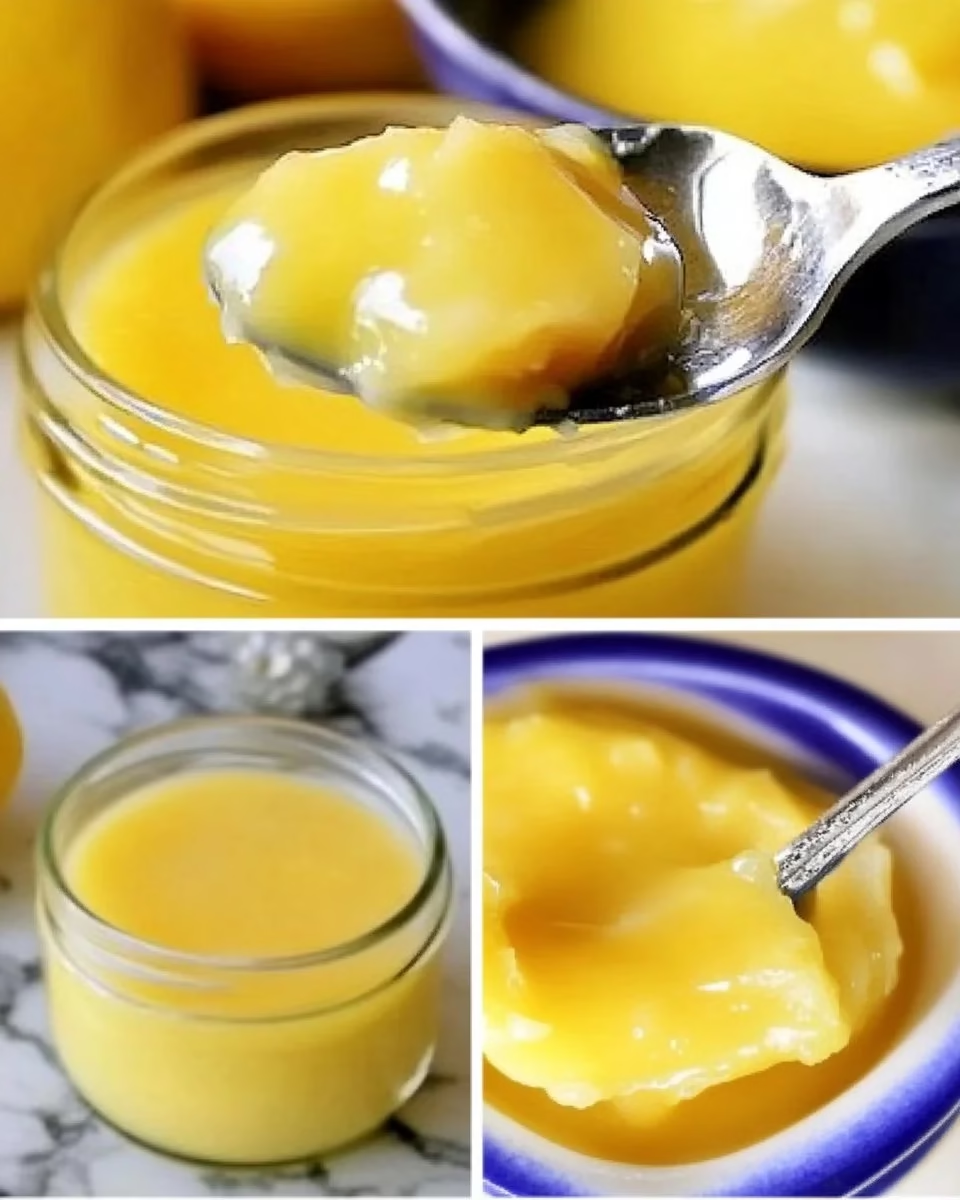
I pulled the spoon through a glossy, lemon-bright ribbon of curd at midnight, and the tiny hiss of the cooling pot felt like applause. The scent of lemon peeled back the day and made the kitchen feel small and honest, like something secret and generous. I love how a simple jar of curd can turn a quiet morning into a small celebration, and it pairs beautifully with lighter pastries like the sweet bites I often test alongside other recipes such as Blueberry Lemon Pancake Bites when I want a bright, sunny combination.
Why This Lemon Curd Became a Favorite
This small-batch version felt right after a string of tests where I chased texture rather than tricked the process. I kept the sugar modest and let lemon juice and zest lead the flavor so it would taste bright and honest. A few careful stirs and a watchful eye taught me more than any measurement ever could.
The recipe is friendly for a single jar and for the habits of a curious home baker who likes to experiment. It is forgiving enough for beginners, and flexible enough for someone who enjoys tweaking acidity, sweetness, or richness over time. I kept the method rooted in classic technique but narrowed the steps so you can trust the result in real kitchens.
The Rhythm of Making Lemon Curd
“The moment the texture shifts, you know it’s ready.”
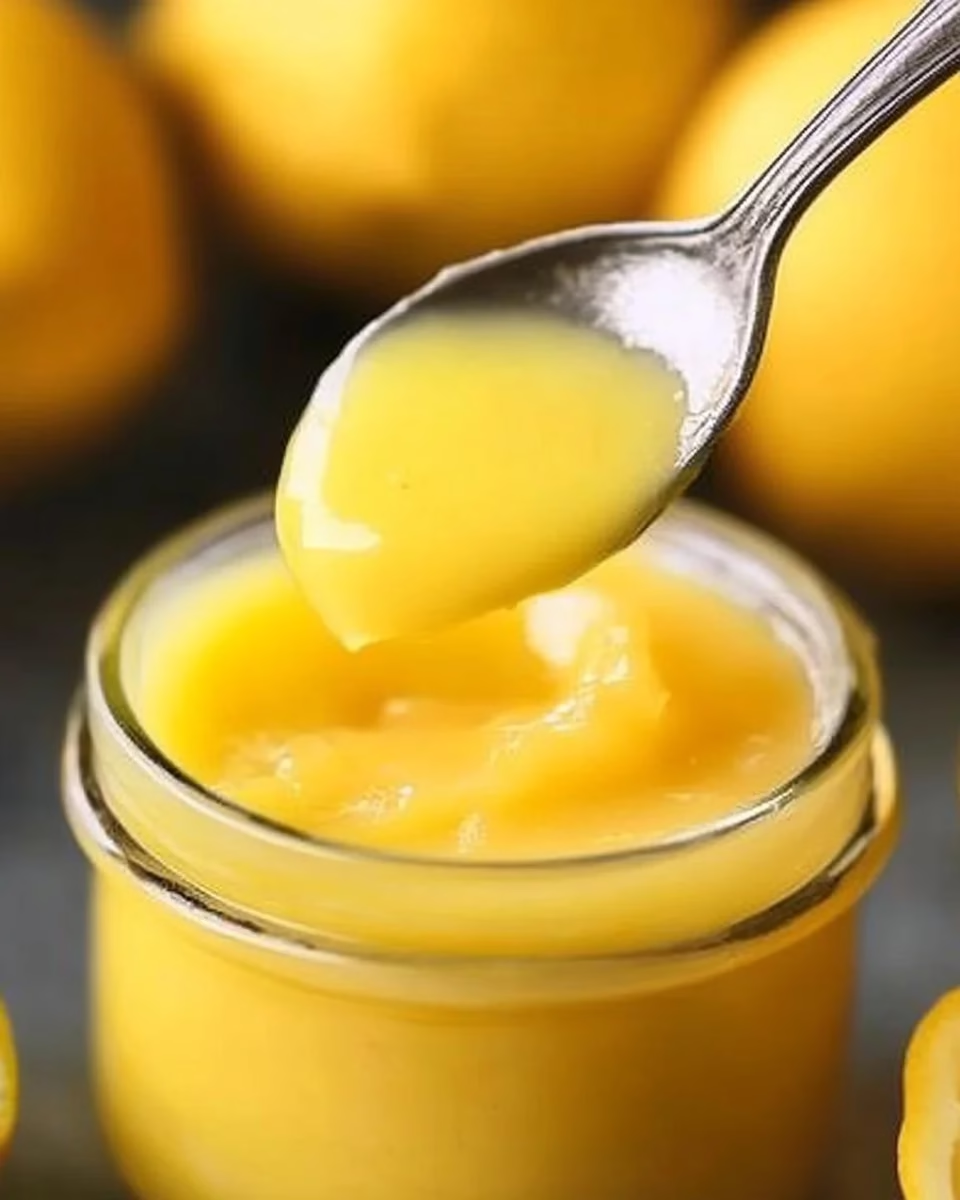
I think of the process as a short, focused dance that asks for attention and rewards patience. The moment the mixture goes from thin and shiny to something that clings to the back of a spoon feels tiny and important. That change is your cue.
Watch for a slow thickening rather than an abrupt set. Stir in a steady pattern, and let the heat do its work without rushing. When you take the pan off and fold in butter, the curd slides into silk and the aroma of lemon becomes softer and more rounded.
Ingredients You’ll Need
1 cup sugar — this helps with balance and gives the curd a clean sweetness.
1/2 cup lemon juice — this is the bright voice of the curd and sets the overall flavor.
1 tablespoon lemon zest — this adds aromatic oil and a fresh citrus snap.
4 large eggs — these give the curd structure and a silky texture when cooked gently.
1/2 cup unsalted butter, cut into pieces — this adds richness without overpowering the citrus.
I write each item plainly because small changes matter. Use fresh lemons when you can; bottled juice will work in a pinch but it loses some aromatic lift. The butter is unsalted so you control the salt level in your kitchen and the curd stays clean and bright.
Step-by-Step Directions
-
In a medium saucepan, whisk together sugar, lemon juice, lemon zest, and eggs until smooth. Make sure the sugar dissolves a little before you heat, and watch for a uniform, pale mixture that looks well combined and glossy. Feel for a smooth sheen as you whisk, which tells you the ingredients are ready for gentle heat.
-
Cook over medium heat, stirring constantly, until the mixture thickens and coats the back of a spoon (about 8-10 minutes). Keep the spoon moving in slow circles and listen for a low simmer at the edges; this gentle motion helps the eggs cook evenly. Stop once it feels soft but set, and do not let the mixture come to a hard boil.
-
Remove from heat and stir in butter until melted and smooth. Add the butter in pieces and fold it in so the curd goes silky and gains a glossy surface that catches the light. This is the moment the curd softens into a texture that spreads easily but still holds a shape.
-
Strain through a fine-mesh sieve into a bowl. Use a rubber spatula to coax every last bit through the sieve and leave any bits of zest or cooked egg behind for a cleaner finish. The strained curd will look satin-smooth and the color will be clear and lemon-rich.
-
Let cool before using. Let the curd rest at room temperature until it stops steaming, then cover it and chill to let the texture finish setting. As it cools the curd will firm slightly without becoming stiff, keeping that lovely spoonable quality.
-
Refrigerate for up to 2 weeks. Store in a clean jar with a tight lid and keep it cold to preserve brightness and texture. Over time the flavor mellows and the texture tightens, and you can always bring it back to spreadable softness by letting it sit briefly at room temperature before serving.
When I Serve This
I like to reach for this curd on a slow weekend when I am making toast, small tarts, or filling a thick pancake stack. It works wonderfully as a neighborly gift when spooned into a pretty jar and tied with a strip of paper. The curd also lives happily between layers of a simple sponge or spooned over vanilla ice cream for a quick, bright dessert.
For casual company I often set out biscuits, whipped cream, and a jar of this curd and let people make their own plates. It keeps the mood light and the pace relaxed because the curd does the heavy lifting of flavor. The visual pop of lemon against white cream or a golden tart shell is always a crowd pleaser.
Keeping Lemon Curd Fresh
Store the curd in a clean jar with a tight lid and place it in the fridge to maintain freshness and texture. In the first few days the flavor feels bright and sharp; by one week the citrus becomes rounder and more dessert-like. Over two weeks it is still good but the texture will tighten and the aroma will mellow.
If you need to freeze the curd, spoon it into labeled tubs and leave a little space for expansion. Thaw overnight in the fridge and stir gently before using; it will be fine for some bakes but may have a slight change in texture for the most delicate desserts. Always use a clean spoon so you do not introduce anything that could shorten its shelf life.
Carol’s Baking Notes
Test small and learn fast
I made a dozen tiny jars while tuning this recipe, and the small batches taught me more than a single large one could. Small jars let me test sugar levels, different lemons, and slight changes in cooking time without wasting any ingredients.
Watch the texture not the time
Kitchen timers are useful, but the back-of-the-spoon test matters more than minutes. In my tests I learned to stop when the curd left a clear trail on the spoon. That visual cue saved me from overcooking and kept the curd silky.
Salt is a friend
A tiny pinch of fine salt at the end can make the lemon flavor sing without making it taste salty. If you use salted butter, taste before adding extra salt so you do not overshoot the balance.
Don’t rush the cool
I used a chilled bowl for one test and liked the resulting firmness better in pastries. Cooling slowly in the fridge after it comes down from the stove gives the final texture a nice polish. But if you need it warm for a recipe, let it sit at room temperature for a short time so it spreads easily.
Use a reliable sieve
Straining is a small step that pays big dividends. A fine-mesh sieve leaves the curd visually pristine, and that smoothness matters when you spoon it into tarts or jars. It also helps catch any little bits of cooked egg that escaped during stirring.
Variations I’ve Tried
I often add a small touch of grated citrus peel from orange or lime when I want a layered citrus profile. It softens the lemon edge and adds complexity without changing the method.
A touch of vanilla paste in one batch gave a warm, bakery-like note that worked beautifully on buttered toast. Use sparingly, because vanilla softens the sharp lemon voice rather than replacing it.
When I wanted a creamier curd for spooning over scones, I swapped half the butter for an equal weight of cream cheese and warmed it gently into the curd. The texture became more luxurious and slightly denser, which was perfect for tea service.
For a lighter lemon flavor I cut the lemon juice to three tablespoons and added a bit more zest. That change kept the aroma but lowered the acidity for people who prefer a gentler citrus.
FAQs About Lemon Curd
Can I make this ahead of time?
Yes, and often it improves with rest. Letting the curd sit overnight in the fridge gives the flavors time to meld and the texture time to finish setting. I sometimes prefer it on day two when the lemon becomes rounded and the sweetness softens.
Will the eggs cook too fast and scramble?
If you stir constantly over medium heat and avoid boiling, the eggs should cook evenly into a smooth custard. Keep a steady hand and remove the pan as soon as the mixture coats the back of a spoon. If a little curdling happens, straining will usually fix the texture.
Can I use this curd in baked goods?
Absolutely. It fills tarts and tartlets beautifully, and you can swirl it into batters for a bright ripple. If you bake a cake with curd inside, consider filling after the bake to keep the curd’s fresh flavor.
How can I tell if it is overcooked?
Overcooked curd may look grainy or have tiny bits of egg in it. If that happens, strain it and stir in an extra pat of butter to smooth it out. Prevention is best though; gentle heat and constant stirring are your friends.
Is it safe to use raw eggs?
The recipe cooks the eggs through to a safe custard if you follow the directions and bring it to the thickened stage. If you are serving to people with immune concerns, use pasteurized eggs or consult your local guidance.
Sharing Lemon Curd
I built many jars with friends and neighbors and learned that the presentation invites more joy than grand gestures. A simple ribbon and a note about how to serve makes the jar feel like a warm offering. People love a small jar tucked into a basket with tea bags or a fresh loaf of bread.
For a playful dinner contrast I sometimes pair a little curd with savory plates, lending brightness at the table, and I think of recipes that use lemon in savory roles. For example, a rich pasta dish can become lively with a spoonful on the side and I often think about dishes such as Calabrian chicken pasta with lemon ricotta when I plan a balanced meal that wants a citrus note. The curd does not always need to be a dessert star; it can play a supporting role that lifts the whole plate.
Little Troubleshooting Tips
If your curd looks too thin after cooling, it may not have reached the right stage on the stove. Return it to a gentle heat and stir until it thickens, but watch closely. You can also whisk in a small extra egg yolk tempered with a bit of the warm curd to give it added body.
If the curd separates and looks oily, a short whisk off heat or a quick spin in a blender often brings it back. Strain and chill as usual. I prefer small corrections to dramatic fixes, so I test small before I try a big rescue.
If your curd becomes very thick in the fridge, let it sit at room temperature briefly to soften before using. This keeps the texture pleasant for spreading or spooning without reheating.
How I Keep Testing
I keep one jar labeled with the date and notes on what changed in each test. That habit helps me remember which batch had a softer mouthfeel or a brighter aroma. Over time the notes guide small changes rather than big leaps.
I also taste the curd in different ways. Spoon it on a cracker, spread it on toast, or fold a little into beaten cream. Each use highlights a different aspect of the curd and tells me whether I want to nudge the recipe next time toward more acidity, less sugar, or a richer mouthfeel.
Tools That Make a Difference
A heavy-bottomed saucepan matters because it spreads heat evenly and reduces hotspots. A good whisk keeps the eggs moving and prevents scrambling. A fine-mesh sieve and a rubber spatula finish the job by leaving a clean, silky curd.
A small candy or instant-read thermometer is helpful if you prefer numbers to cues; aim for the mixture to register around the point where custards typically set and then verify by the back-of-the-spoon test. I use my eyes and hands first, but the thermometer is a calm companion when I teach someone else the recipe.
A Final Thought
I hope this small-batch recipe invites you into playful testing while giving you clear steps to trust. Make a jar, share it, and let the kitchen become a place of small, reliable experiments. The curd will teach you its rhythm if you watch and taste with care, and I look forward to hearing how you make it your own.
Lemon Curd
Ingredients
Main Ingredients
- 1 cup sugar Helps with balance and gives the curd a clean sweetness.
- 1/2 cup lemon juice The bright voice of the curd and sets the overall flavor.
- 1 tablespoon lemon zest Adds aromatic oil and a fresh citrus snap.
- 4 large eggs Provide structure and a silky texture when cooked gently.
- 1/2 cup unsalted butter, cut into pieces Adds richness without overpowering the citrus.
Instructions
Preparation
- In a medium saucepan, whisk together sugar, lemon juice, lemon zest, and eggs until smooth. Make sure the sugar dissolves a little before heating.
- Cook over medium heat, stirring constantly, until the mixture thickens and coats the back of a spoon (about 8-10 minutes).
- Remove from heat and stir in butter until melted and smooth.
- Strain through a fine-mesh sieve into a bowl to leave any bits of zest or cooked egg behind.
- Let cool at room temperature, then cover and chill to set.
Storage
- Refrigerate for up to 2 weeks in a clean jar with a tight lid.