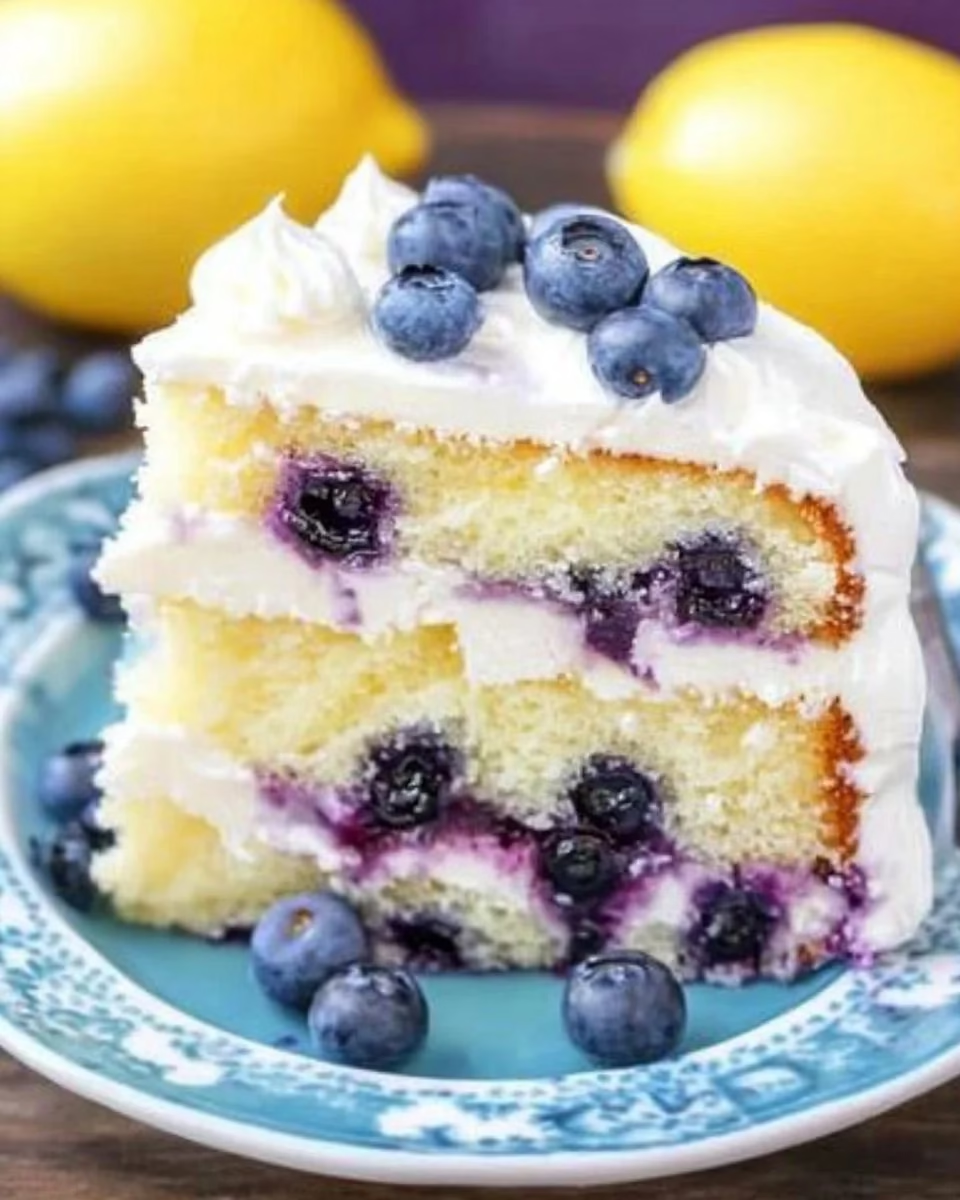
The oven light makes the kitchen glow like a small theater, and I stand there with a wooden spoon in my hand, watching the batter settle into the pan. The scent of lemon lifts through the room, bright and a little wild, while flecks of blueberries drift like tiny stars through a soft, pale sea. Pulling that cake from the oven for the first time felt like a quiet victory, a small experiment that turned into something I wanted to share with anyone who loves sweet and tart together. In the same spirit, if you ever want a playful breakfast twist with the same flavors, I like to pair ideas inspired by blueberry lemon pancake bites with a slow weekend bake.
Why This Lemon Blueberry Cake Became a Favorite
I kept testing small batches until the texture felt right, the crumb neither too dense nor too airy. Each time I nudged the balance a little—less butter here, more lemon there—until the cake had a tender mouthfeel and a bright lift from the citrus. It matters that the lemon tastes like lemon and not just sugar, and that the blueberries burst rather than disappear. That balance is why I come back to this recipe on slow afternoons and for simple celebrations.
This cake feels like a good teacher for people who bake at home because it asks for attention to basic cues. You watch the batter change from glossy to satiny, notice how the edge pulls slightly away from the pan, and learn to trust a toothpick. Those small moments of learning turn into confidence. That is the kind of payoff I want when I test a recipe.
I also love that this cake invites small changes without breaking the result. You can fold in a few extras, swap layering spreads, or change the frosting texture, and the cake still sings. That makes it perfect for curious bakers who want to experiment but want a steady, trustworthy base. For me, the joy is both in the testing and in how easy it is to share afterwards.
The Story Behind This Small-Batch Lemon Blueberry Cake
The first version came from a late-night test when I had too many lemons and a small bag of blueberries. I was curious about using buttermilk to give a soft tang and about adding lemon curd between the layers. After a few runs, the cake felt balanced in sweetness and texture. There is a real satisfaction in finding that point where the lemon is bright but not sharp and the blueberries offer juicy pops.
I kept notes on oven times, how the batter felt after each fold, and how the curd softened the crumb over time. Those small details made the difference between a pretty cake and one that made people ask for seconds. Eventually I landed on this recipe as my reliable, small-batch favorite. It is the kind of cake I trust to bring to a neighbor or to take into a quiet afternoon at home.
How This Lemon Blueberry Cake Comes Together
“The moment the texture shifts, you know it’s ready.”
Start by measuring and setting everything out so the rhythm of baking feels calm. I like having the eggs at room temperature, the butter softened so it yields under the paddle, and the buttermilk easy to pour. When you cream the butter and sugar, watch for a pale, billowy texture, not just dissolved sugar. That lightness is the backbone of an even crumb.
As you fold dry ingredients in with the buttermilk, aim for a batter that moves slowly and holds a sheen. Overmixing will make the cake tough, while under-mixing leaves streaks of flour. Folding blueberries at the very end keeps them intact and prevents the batter from turning purple. When the cakes come out of the oven you can tell by sight and feel if they are done: a golden top, a faint spring back when pressed, and the classic clean toothpick test.
Once the cakes have cooled a bit in the pans, they will relax and set. That ten-minute rest in the pan saves a lot of crumbs and keeps the layers neat when you flip them out. From there, layering lemon curd between the cakes adds a delicious contrast in texture and flavor. The final spread of mascarpone frosting gives a soft, creamy finish that is not too sweet and lets the lemon sing.
Ingredients You’ll Need
2 cups all-purpose flour — this forms the structure and keeps the crumb tender when handled gently. 1 1/2 cups sugar — for sweetness and for helping the cake brown. 1/2 cup unsalted butter, softened — adds richness without weighing the cake down. 3 large eggs — these bind and add lift when beaten with the sugar. 1 cup buttermilk — gives a gentle tang and keeps the cake moist. 1/4 cup lemon juice — bright, fresh acidity that wakes up the flavor. Zest of 1 lemon — concentrated lemon aroma that perfume the batter. 1 teaspoon vanilla extract — rounds the citrus and deepens the flavor. 1 teaspoon baking powder — helps the cake rise evenly. 1 teaspoon baking soda — reacts with buttermilk for extra lift. 1/2 teaspoon salt — balances sweetness and enhances flavor. 1 cup blueberries — fresh or frozen, they add juicy bursts. Lemon curd (for layering) — adds concentrated lemon flavor and silkiness between layers. Mascarpone cheese (for frosting) — gives a creamy, slightly tangy finish. Powdered sugar (for frosting) — sweetens and stabilizes the mascarpone frosting.
Step-by-Step Directions
- Preheat your oven to 350°F (175°C). Grease and flour two 9-inch round cake pans, tapping out excess flour so the pans stay dry and the cakes slip out easily. Watch for an even coating so the edges bake smoothly.
- In a large bowl, cream together the butter and sugar until light and fluffy, watching the color change to a pale, satiny texture that holds soft peaks. This can take a few minutes, and beating long enough here gives a finer crumb. Scrape the bowl often so everything mixes evenly.
- Add the eggs one at a time, mixing well after each addition so the batter stays smooth and glossy and does not curdle. You should see the batter regain its creamy sheen after each egg. Stop when it looks silky and uniform.
- In another bowl, combine the flour, baking powder, baking soda, and salt, whisking to break up any lumps and to distribute the raising agents evenly. A quick sift or whisk will help prevent streaks of baking soda in the cake. Set this mixture aside.
- Gradually add the dry ingredients to the wet ingredients, alternating with the buttermilk, starting and ending with dry ingredients, and mixing just until combined each time. Look for a batter that holds a smooth sheen and does not have streaks of flour. Stop as soon as the last addition is incorporated.
- Stir in the lemon juice, lemon zest, and vanilla extract gently so the lemon aroma feels fresh and lively without deflating the batter. The zest should be fragrant and distributed through the batter. Pause to breathe in that bright scent.
- Gently fold in the blueberries by hand, using long, careful strokes so the fruit stays intact and the batter does not turn purple. If using frozen berries, toss them lightly in flour first to keep them from sinking. Fold only until the berries are scattered through.
- Divide the batter evenly between the prepared cake pans, smoothing the tops with a spatula so the cakes rise evenly and meet in the middle without doming. Tap the pans lightly on the counter to settle the batter and release any air pockets. Check that both pans look balanced.
- Bake for 25-30 minutes or until a toothpick inserted in the center comes out clean, and the tops are a light golden color with a faint spring when touched. Rotate the pans halfway through if your oven has hot spots. Trust the toothpick and the spring back more than clock time.
- Let the cakes cool in the pans for 10 minutes before transferring to a wire rack, using a thin spatula to loosen the edges first so the cakes lift gently. This brief rest helps the cakes set so they do not break when removed. After ten minutes, invert them onto the rack to cool completely.
- Once cooled, layer the cakes with lemon curd between them, spreading an even, not-too-heavy layer so the curd adds brightness without making the cake soggy. Use a small offset spatula for control and wipe away any spills. The curd should shimmer and hold its shape.
- Frost the top and sides with mascarpone frosting mixed with powdered sugar, whipping until the mascarpone is smooth and spreadable and the sugar dissolves into a silky finish. Watch for a gentle sheen on the frosting that tells you it is neither grainy nor runny. Smooth the surface or create soft swirls for a relaxed look.
- Chill briefly if you want firmer slicing, then serve at room temperature so the mascarpone is creamy and the lemon flavors are alive. A short rest helps the curd and frosting settle together. Slice with a sharp knife for neat pieces.
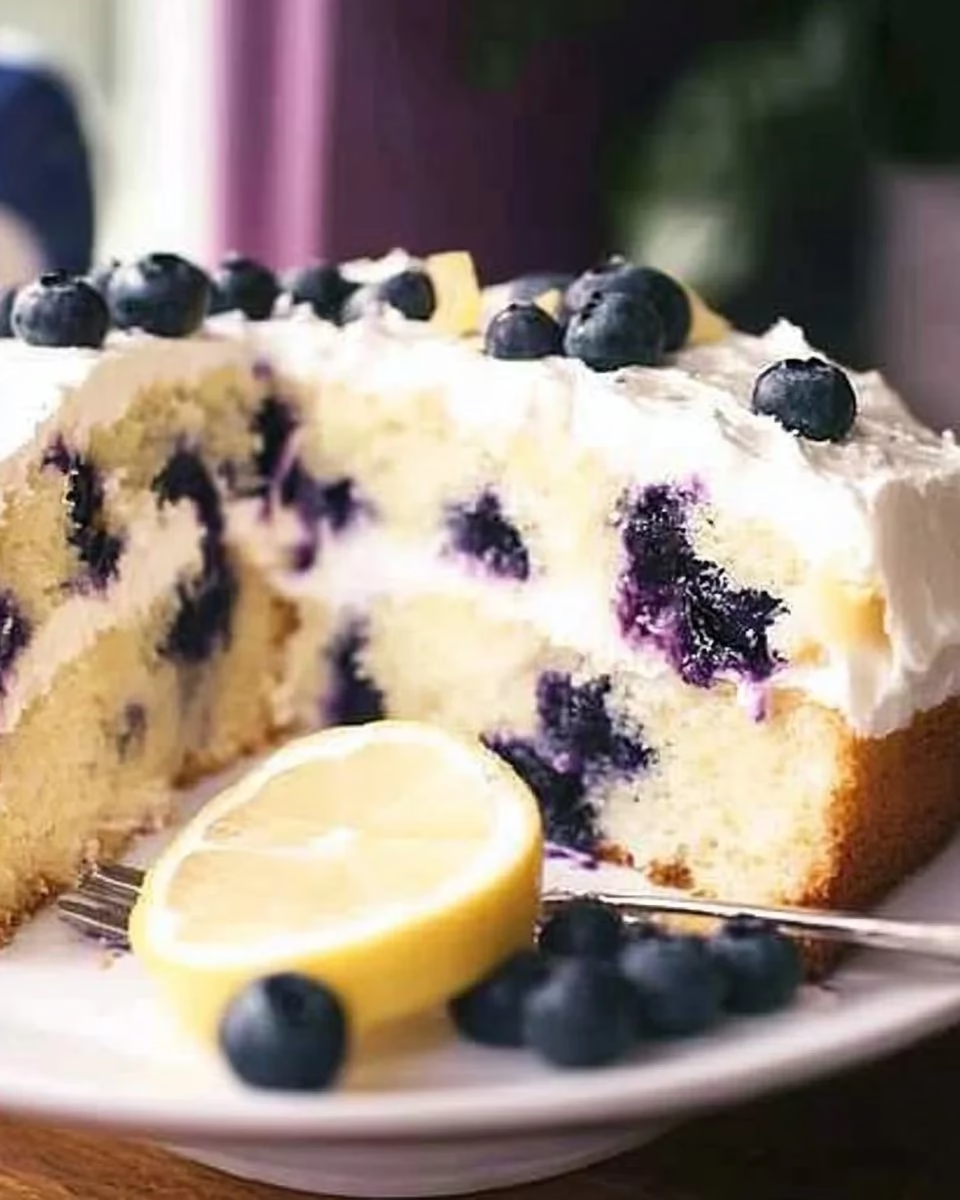
Watching It Transform
There is a quiet thrill while the cake is baking as the batter settles and the aroma fills the kitchen. The top will shift from glossy to matte, and the edges may pull away slightly from the pan, which is a helpful sign. When you press gently, the center should spring back and not leave a deep impression. Those visual cues are the kind of simple signals that build baking confidence.
After cooling, the cake slices are forgiving: the crumb should be tender with a small, even texture. The lemon curd layer creates a pleasing contrast in mouthfeel, a silky pocket of brightness between soft cake layers. When you bite into a slice, you should notice the citrus, the cream, and the blueberry pops, all in a single mouthful. That mix of textures is the reward for a careful bake.
When I Serve Lemon Blueberry Cake
I like to bring this cake out for lazy weekend afternoons, where someone makes tea and we settle into small talk. It is also cozy for a test batch shared with a friend who wants to taste new ideas and offer honest feedback. The cake is light enough for dessert but bright enough to feel like a special treat with coffee. Whenever I serve it, I arrange slices on a plain plate so the colors stand out.
For a casual gathering, I slice the cake and place it on a wooden board with extra lemon curd in a small bowl for anyone who wants more. If the day is warm, a simple spoonful of whipped cream or a scattering of extra berries makes a bright presentation. The cake also travels well to potlucks if you keep it covered and chilled until the last moment. People respond to the scent as much as the taste, which is always a good sign.
I also enjoy pairing the cake with other lemon-blueberry ideas to make a small spread for brunch. A light baked ricotta, lemon-scented scones, or simple pancakes can make the table feel abundant. For slower mornings, a combination of sweet items creates a playful tasting experience. When friends ask for a recipe with similar flavors, I sometimes point them toward a lighter creamy variation like lemon blueberry cheesecake that shares the same bright notes but feels more indulgent.
Keeping Lemon Blueberry Cake Fresh
Store the cake in an airtight container or under a cake dome at room temperature for up to two days. If your kitchen is warm, refrigerate the cake, but bring slices to room temperature before serving so the mascarpone softens. The texture changes a bit in the fridge, becoming firmer and slightly more compact. That is a small trade-off for safety in hot weather.
If you want to save a few slices for later, wrap them tightly in plastic wrap and freeze for up to one month. Thaw slices slowly in the refrigerator overnight and then bring them to room temperature before serving. The lemon curd may loosen a little after freezing, so handle slices gently. For longer storage of the unfrosted layers, freeze them wrapped and add the curd and frosting when you are ready to serve.
Expect the blueberries to soften over time, especially if the cake sits with lemon curd between layers. That softness can be pleasant, lending a jam-like quality to the slices, but the initial burst of fresh fruit will be less pronounced. If you prefer a crisper fruit experience, fold berries in at the last minute and serve the cake within a day.
Carol’s Baking Notes
- Use room temperature eggs for better emulsion. Cold eggs can re-seize a batter and make it look curdled; warm eggs blend smoothly and help the batter hold air. I let eggs sit out for 20 minutes before I start mixing.
- Don’t overmix after adding the flour. Mix until no streaks remain and then stop, watching for a batter that moves slowly and holds a shine. Overworked batter gives a tougher crumb.
- If using frozen blueberries, do not thaw them first. Toss frozen berries in a tablespoon of flour, then fold in directly to prevent bleeding into the batter. This keeps the cake a pleasing pale color with neat berry pockets.
- Taste your lemon curd before spreading. If it is very sweet, add a little extra zest to the frosting or a thinner layer of curd so the cake stays balanced. Often a thinner smear of curd is all you need to lift the flavor.
- For a lighter frosting, fold whipped cream into the mascarpone mixture. It creates a softer top that feels airy and is easier to spread, while still offering that gentle tang from the cheese.
Variations I’ve Tried
I once swapped half the all-purpose flour for cake flour and noticed a slightly finer crumb that felt silkier in the mouth. The change was subtle but lovely when I wanted a softer, more delicate slice for a tea party. It is a small swap that fine-tunes the texture.
Another time I folded in the zest of two lemons for a bolder citrus note and reduced the lemon curd slightly to keep balance. The cake became almost aromatic, with long-lasting lemon scent in the first bite. It is a good option if you love citrus but watch the overall tartness.
For a dairy-free version, I replaced the butter with a neutral oil and used a plant-based yogurt in place of buttermilk. The result lost a little of the buttery depth but kept the tender crumb. If you try that route, add a touch more lemon zest for aroma. It is a flexible recipe that welcomes careful swaps.
I also like to top the cake with a scatter of extra fresh blueberries and a thin grate of lemon zest when serving. It makes the cake look fresh and inviting without seeming overworked. Simple garnishes often make the most satisfying impression.
Questions I Had While Testing and Helpful Answers
Can I make this ahead of time?
Yes, you can bake the layers a day ahead and keep them wrapped in the fridge. Assemble with lemon curd and mascarpone frosting the morning you plan to serve for the freshest texture and flavor.
Can I use frozen blueberries instead of fresh?
Yes, frozen berries work well and give a lovely flavor, but toss them lightly in flour to prevent bleeding. This keeps the batter from turning an overall purple color and maintains discrete berry pockets.
How do I know when the cake is done without overbaking?
Look for a lightly golden top, a faint spring when pressed, and a clean toothpick from the center. Trust those cues more than the clock, and rotate pans if your oven bakes unevenly.
Is lemon curd necessary between layers?
It is optional, but I love the brightness and silky texture it brings. A thinner layer works well if you prefer less filling, and you can always serve extra on the side.
What is the best way to slice neat pieces?
Chill the assembled cake briefly to firm the frosting, then slice with a sharp knife warmed under hot water and wiped dry between cuts. That helps create clean edges without tearing the crumb.
A Final Thought
I hope this Lemon Blueberry Cake encourages you to lean into small experiments and trust the simple cues that tell you a bake is done. Baking is part curiosity and part patience, and this recipe rewards both with a bright flavor and a forgiving texture. From my kitchen to yours, I hope your oven lights up with the same little thrill I felt the first time I pulled this cake from the pan and knew it had worked.
Lemon Blueberry Cake
Ingredients
Dry Ingredients
- 2 cups all-purpose flour Forms the structure and keeps the crumb tender.
- 1 1/2 cups sugar Provides sweetness and aids in browning.
- 1 teaspoon baking powder Helps the cake rise evenly.
- 1 teaspoon baking soda Reacts with buttermilk for extra lift.
- 1/2 teaspoon salt Balances sweetness and enhances flavor.
Wet Ingredients
- 1/2 cup unsalted butter, softened Adds richness without weighing down the cake.
- 3 large eggs Bind ingredients and add lift when beaten.
- 1 cup buttermilk Provides a gentle tang and keeps the cake moist.
- 1/4 cup lemon juice Adds bright, fresh acidity.
- zest of 1 lemon Provides concentrated lemon aroma.
- 1 teaspoon vanilla extract Rounds the citrus flavor.
Fruit
- 1 cup blueberries Fresh or frozen, they add juicy bursts.
For Layering & Frosting
- lemon curd for layering Adds concentrated lemon flavor.
- 1 cup mascarpone cheese Provides a creamy, slightly tangy finish.
- 1/2 cup powdered sugar Sweetens and stabilizes the mascarpone frosting.
Instructions
Preparation
- Preheat your oven to 350°F (175°C) and grease two 9-inch round cake pans.
- In a large bowl, cream together butter and sugar until light and fluffy.
- Add eggs one at a time, mixing well after each addition.
- In another bowl, combine flour, baking powder, baking soda, and salt.
- Gradually add dry ingredients to wet ingredients, alternating with buttermilk.
- Stir in lemon juice, lemon zest, and vanilla extract.
Folding in Blueberries
- Gently fold in blueberries by hand, ensuring they stay intact.
Baking
- Divide the batter evenly between the prepared cake pans.
- Bake for 25-30 minutes or until a toothpick inserted in the center comes out clean.
- Let the cakes cool in the pans for 10 minutes before transferring to a wire rack.
Assembling the Cake
- Layer cakes with lemon curd between them.
- Frost the top and sides with mascarpone frosting.
- Chill briefly before serving.