I still remember the first time I baked this Japanese Matcha Pound Cake for a slow Saturday morning. The house smelled like warm butter and green tea, and my little one wandered in, half-asleep, drawn by that soft, comforting scent. We sliced the first piece right out of the pan, the crumb tender and close, the matcha giving the cake a calm, grassy sweetness that made us both close our eyes for a moment. It is one of those simple recipes that feels like a small celebration each time, a reminder that home is made from warmth, patience, and the shared joy of something made well.
Why This Japanese Matcha Pound Cake Still Feels Like Home
This cake has become a quiet part of our routine. Not every dish needs a fanfare, and this one finds its place in ordinary days. I first learned the rhythm of it one spring when my mother sent me a tin of ceremonial grade matcha and a note that said, try baking with it. I mixed, tasted, and found the balance between sweet and green that now ties the cake to afternoons by the window and simple family tea moments.
There is a calm to matcha that feels right in a loaf cake. It is green in a way that points to gardens and first light. The texture of a pound cake is dense enough to feel substantial, yet soft enough to melt on your tongue. When we serve it, I like to hear the small sounds: forks on plates, the hush of a contented sigh, the scrape of the kettle as someone fills a cup. If you have made treats from my kitchen before, you might see the same gentle, cozy thread that links to other favorites like my apple treats. Try a pairing with one of my sweet cookies for a brunch that feels made with both love and ease: Apple Cider Cheesecake Cookies.
How to Make Japanese Matcha Pound Cake
“Every time I stir this pot, it smells just like Sunday at home.”
The making of this cake is simple, but it asks for attention. You will watch colors shift as you cream butter and sugar, then see the batter take on a soft glow once the eggs are tucked in. The matcha keeps the color lively and the air in your kitchen bright, while the butter and sugar promise a tender bite. There is a steady rhythm here, a set of small tasks that add up to something comforting and true.
I like to think of the process as a short ritual. Measure your ingredients with care, but keep your hands ready to feel the batter between your fingers, the warmth as it leaves the bowl and moves into the pan. Listen for the quiet change in sound as the mixer slows and the batter thickens. This is where the cake becomes more than a list of things; it becomes a part of your afternoon.
Ingredients You’ll Need
1 cup all-purpose flour
1/2 cup unsalted butter, softened
1 cup sugar
2 large eggs
1/4 cup matcha green tea powder
1/2 teaspoon baking powder
1/4 teaspoon salt
1/2 cup milk
1 teaspoon vanilla extract
A little note here: a little extra vanilla if you love a cozy aroma, and fresh butter gives this its richness. Use a good matcha for the best color and the clean, grassy flavor that makes this cake sing. If your matcha is very bitter, taste it first and adjust sugar gently to keep the balance friendly. I often sift the matcha with the flour to keep the batter smooth and to avoid lumps, which helps the cake bake up with an even green hue.
Step-by-Step Directions
-
Preheat the oven to 350°F (175°C). Grease and flour a loaf pan. I warm mine slightly in the oven before adding the batter so the surface is ready, and this small step helps the cake release easily after baking.
-
In a mixing bowl, cream together the softened butter and sugar until light and fluffy. Beat until the mixture looks pale and holds soft peaks, and breathe in the warm, sweet scent that fills the room and tells you this cake is on its way.
-
Add the eggs one at a time, mixing well after each addition. Stop to scrape the bowl so everything blends, and stir until the batter looks glossy and a little silky before you move on.
-
In another bowl, whisk together the flour, matcha powder, baking powder, and salt. Sifting here keeps the matcha bright and the flour light, and you will see the green powder distribute evenly as you whisk.
-
Gradually add the dry ingredients to the wet mixture, alternating with the milk. Stir in the vanilla extract. Mix until just combined and the batter is smooth, watching for the gentle, even color and pause when the batter feels neither too stiff nor too loose.
-
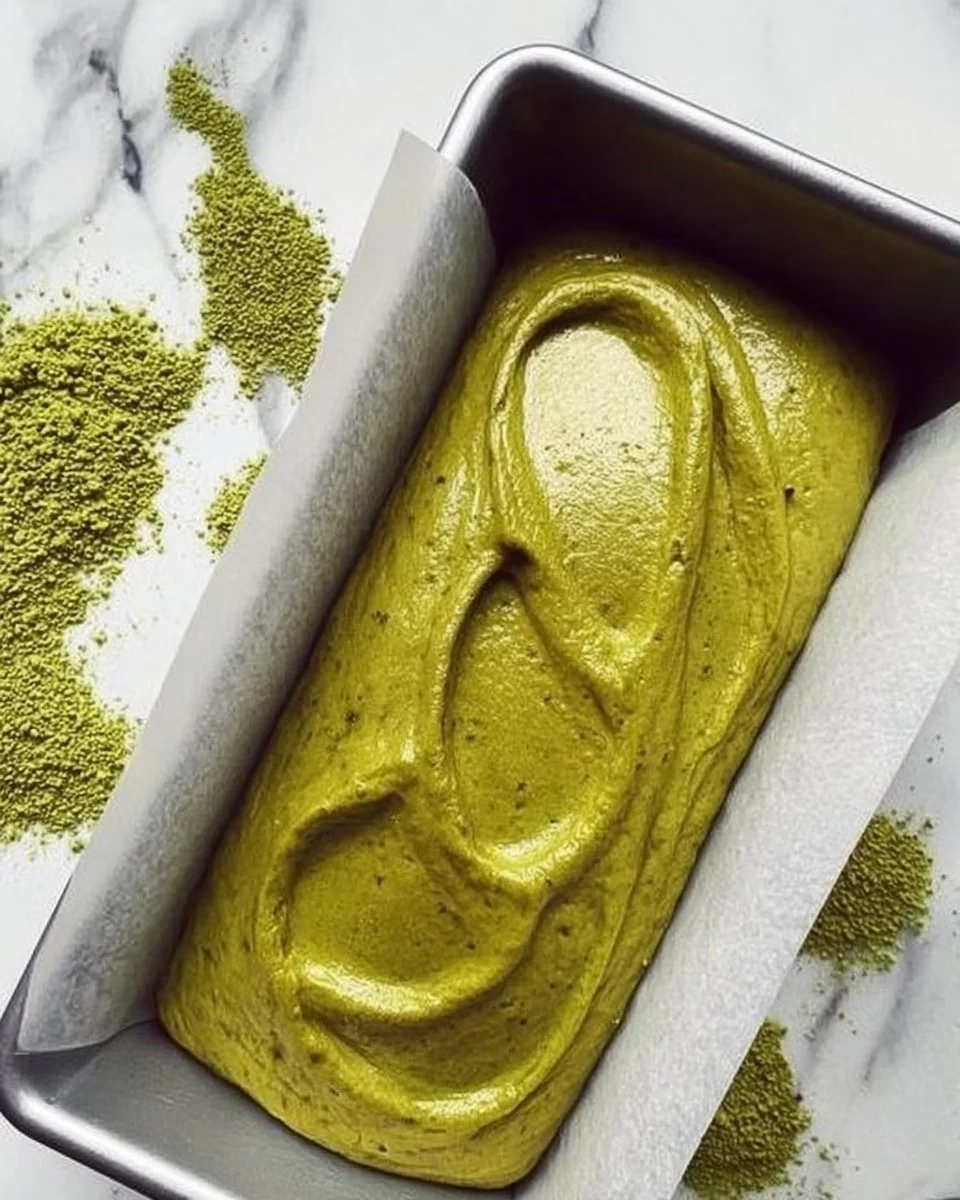
Pour the batter into the prepared loaf pan. Smooth the top with a spatula and tap the pan gently on the counter to settle the batter and release any air bubbles. Take a moment to admire the sheen and the soft, pale green before it goes into the oven.
-
Bake for 50-60 minutes, or until a toothpick inserted into the center comes out clean. Check near the 50-minute mark, and when the edges are golden and the top springs back a touch, you will know it is close.
-
Allow to cool in the pan for 10 minutes, then transfer to a wire rack to cool completely. Let the cake rest a bit so the crumb sets, and the aroma will mellow into something deep and inviting.
-
Serve warm or at room temperature, ideally paired with a cup of green tea. Slice with a sharp knife, enjoy the tender crumb and the soft matcha note, and share with someone who likes small, quiet moments.
How We Enjoy Japanese Matcha Pound Cake at Home
We keep our slices simple and honest, nothing too fussy. Sometimes I spread a little whipped cream for a weekend treat, and other times it is just a plain slice with a cup of green tea. My husband likes his slightly warmed, and my child prefers it at room temperature with a little jam on the side. Each way feels like it fits into a small ritual.
For weekend brunches, I plate a modest slice next to fruit and a pot of tea, letting the matcha be the star. At afternoon snack time, I cut thinner slices so it lasts a little longer and the family can graze and talk. It is a light cake that holds up well to sharing, and I often place it in the center of the table so everyone can help themselves and find a moment to slow down.
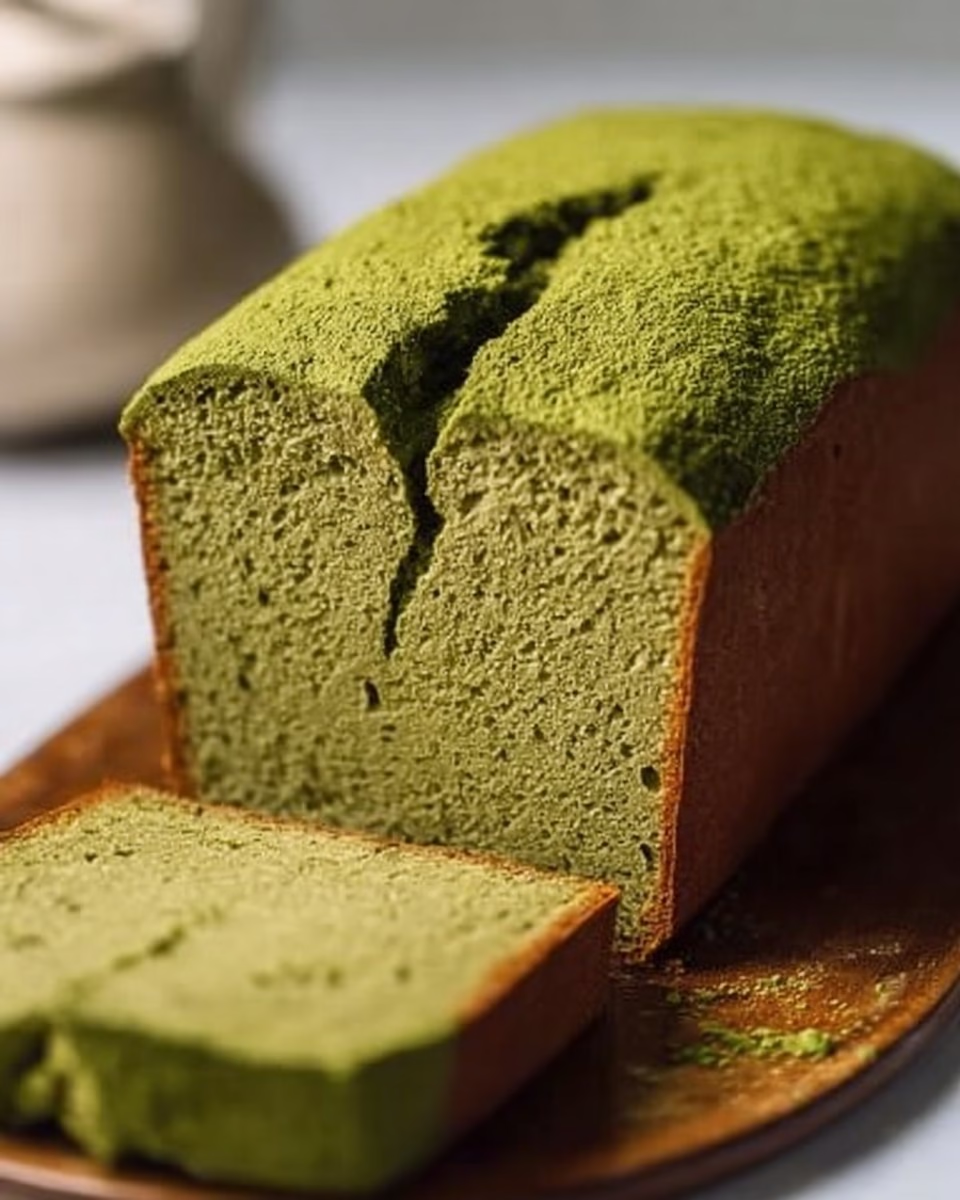
There is no need for fancy garnishes to make this feel special. A dusting of powdered sugar, a few mint leaves, or a thin smear of azuki bean paste lifts it gently and keeps the flavors honest. If you want to add a little ceremony, serve it on a wooden board that shows the cake’s pale green and the rustic crumb. It makes the table feel like a small, intentional space for connection.
Storing Japanese Matcha Pound Cake for Tomorrow
This cake keeps well and gets a little wiser with time. Wrapped loosely in plastic or stored in an airtight container, it will stay moist for several days. The matcha flavor often deepens overnight, becoming a touch more rounded as the sugars and tea settle together.
To refresh a slice, warm it briefly in a low oven or in the microwave for 10 to 15 seconds. This brings back the soft, fresh texture and releases a fresh scent of butter and green tea. If you need to freeze the cake, wrap it tightly in plastic and then in foil, and it will keep for up to a month. Thaw overnight in the fridge before bringing it back to room temperature to serve.
If you plan to bring the cake to a gathering, slice it before you go and place it in a secure tin or box. It travels well and will still taste like home when you open it on a picnic blanket or a neighbor’s kitchen counter. My little secure tip is to tuck a paper towel under the slices in the container to keep them from sliding and to catch any moisture.
Amelia’s Kitchen Notes
The following are small, steady notes from my kitchen that make this cake easier and more forgiving.
-
Matcha matters. Choose a culinary or mid-grade matcha for baking, but if you have a ceremonial tin you love, a teaspoon of that added to the batter will bring a bright, fresh aroma. Taste the matcha first to know how bold its flavor is.
-
Room temperature eggs and milk make the batter come together more smoothly. If you forget, a quick bowl of warm water will gently warm them and keep the cake tender.
-
Don’t overmix once the flour is in. Stir just until combined to keep the crumb soft. A few streaks of flour are better than a dense cake.
-
If your butter is very soft, chill the batter for 10 minutes before baking for a cleaner rise. It helps the cake hold shape and creates a neat top.
-
Use the right pan size. A standard loaf pan works best. If your pan is smaller or larger, watch the baking time and test with a toothpick early to avoid overbake or underbake.
These are the sorts of small habits that keep baking from feeling like a chore and more like a daily gift. A few minutes of prep, a little patience, and you get a cake that makes the kitchen feel like the most welcoming place.
Family Variations on Japanese Matcha Pound Cake
We have played with a few variations that still feel like home, each one springing from a small curiosity or a seasonal touch.
-
Citrus ribbon. Add a teaspoon of finely grated lemon zest to the batter for a citrus lift that brightens the matcha. I like to use it in spring when the lemons at the market are fragrant.
-
Red bean swirl. Spoon a thin layer of sweet red bean paste in the middle of the batter before baking for a classic Japanese pairing. It makes each bite a little more textured and sweet in a familiar way.
-
White chocolate chips. Fold in a handful for pockets of sweet, creamy surprise. The chips melt into soft ribbons that pair well with the tea notes.
-
Black sesame crust. Sprinkle some toasted black sesame seeds on top for a nutty finish and a little visual contrast. It is a small step that feels purposeful and homely.
-
Earl grey honey glaze. Mix a little brewed earl grey tea with honey and brush it on warm slices. The bergamot pairs nicely with matcha and gives the cake a slightly floral after-note.
Each version brings a new memory. We find that small changes keep this simple cake feeling fresh and keep everyone excited to try a slice.
FAQs About Japanese Matcha Pound Cake
Can I make this ahead of time?
Yes, and honestly, it might taste even better the next day once the flavors have settled and come together. Store it in an airtight container and bring it to room temperature before serving for the best texture.
What if my batter seems too thick?
If the batter looks dense, add a tablespoon or two of milk to loosen it. The batter should fall from a spoon in a thick ribbon, not be paint-like or overly runny.
Can I use a hand whisk instead of a mixer?
You can, though it will take a bit more elbow grease. Cream the butter and sugar until pale and fluffy by hand, and then whisk the eggs in steadily. The cake will still be lovely, and you might enjoy the quiet rhythm of stirring.
Is there a good substitute for milk?
Yes, you can use a plant-based milk like almond or oat milk with very little change to the texture. Keep it at the same measure and enjoy the slight shift in flavor that comes with different milks.
How do I prevent the matcha from clumping?
Sift the matcha with the flour or whisk it well in a separate bowl before adding it to the batter. This keeps the color even and the crumb smooth.
Bringing Japanese Matcha Pound Cake to the Table
When I bring this cake to the table, I aim to make the moment small and warm. I often set it on a simple plate with a linen napkin and a small saucer of tea cups. Family gathers naturally when there is something gentle to share, and the cake invites conversation without needing any ceremony.
For a casual weekend, I put the loaf in the center and let people help themselves. For a special afternoon, I slice thicker pieces and arrange them with small spoons of jam and a dollop of lightly whipped cream. My child likes to spread jam on top, making tiny artworks on each slice, and those are the quiet, imperfect moments I love most.
Pair the cake with a mild green tea or a light oolong. The tea lets the matcha speak without competing, and the warmth of the cup complements the cake’s buttery texture. If you have guests who like sweeter pairings, offer a little honey or a small pot of sweetened cream on the side. It is a gentle way to make sure everyone finds a small pleasure.
Sometimes I bring a slice to a neighbor or a friend and find that this simple loaf opens up conversation in the most natural way. Food that is shared creates small bridges, and a matcha pound cake has a way of starting those conversations without fuss or hurry. If you enjoy the idea of pairing simple cakes with other small sweets, you might also like my mini dessert ideas for gatherings: Apple Crisp Mini Cheesecakes.
A Final Thought
Baking this Japanese Matcha Pound Cake is an invitation to slow down and enjoy the small comforts of a home kitchen. It is a recipe that asks for little more than a little patience, a bit of attention, and the pleasure of sharing what you make. Each slice carries a quiet memory of light and green, of butter and sugar, and of the simple truth that food brings people closer.
I hope this recipe becomes a part of your kitchen stories, a small loaf you return to when you want a warm cup and a calm moment. If you bake it once and love it, you will find little ways to make it your own, and those small changes will turn it into your family’s version of home.
Conclusion
If you want another take on matcha in a loaf, this recipe pairs nicely with ideas from other home bakers. For further inspiration and a slightly different approach to matcha pound cakes, check out Most Delicious Matcha Pound Cake | Sift & Simmer.
Japanese Matcha Pound Cake
Ingredients
For the cake
- 1 cup all-purpose flour
- 1/2 cup unsalted butter, softened Use fresh butter for richness.
- 1 cup sugar Adjust sugar based on matcha bitterness.
- 2 large eggs Room temperature recommended.
- 1/4 cup matcha green tea powder Use high-quality matcha for best flavor.
- 1/2 teaspoon baking powder
- 1/4 teaspoon salt
- 1/2 cup milk Room temperature recommended.
- 1 teaspoon vanilla extract Add more for a cozy aroma.
Instructions
Preparation
- Preheat the oven to 350°F (175°C) and grease and flour a loaf pan.
- Cream the softened butter and sugar together until light and fluffy.
- Add the eggs one at a time, mixing well after each addition.
- In another bowl, whisk together the flour, matcha powder, baking powder, and salt.
- Gradually add the dry mixture to the wet mixture, alternating with the milk, and stir in the vanilla extract.
- Pour the batter into the prepared loaf pan and smooth the top.
Baking and Cooling
- Bake for 50-60 minutes, or until a toothpick inserted into the center comes out clean.
- Allow to cool in the pan for 10 minutes, then transfer to a wire rack to cool completely.
Serving
- Serve warm or at room temperature, ideally paired with green tea.