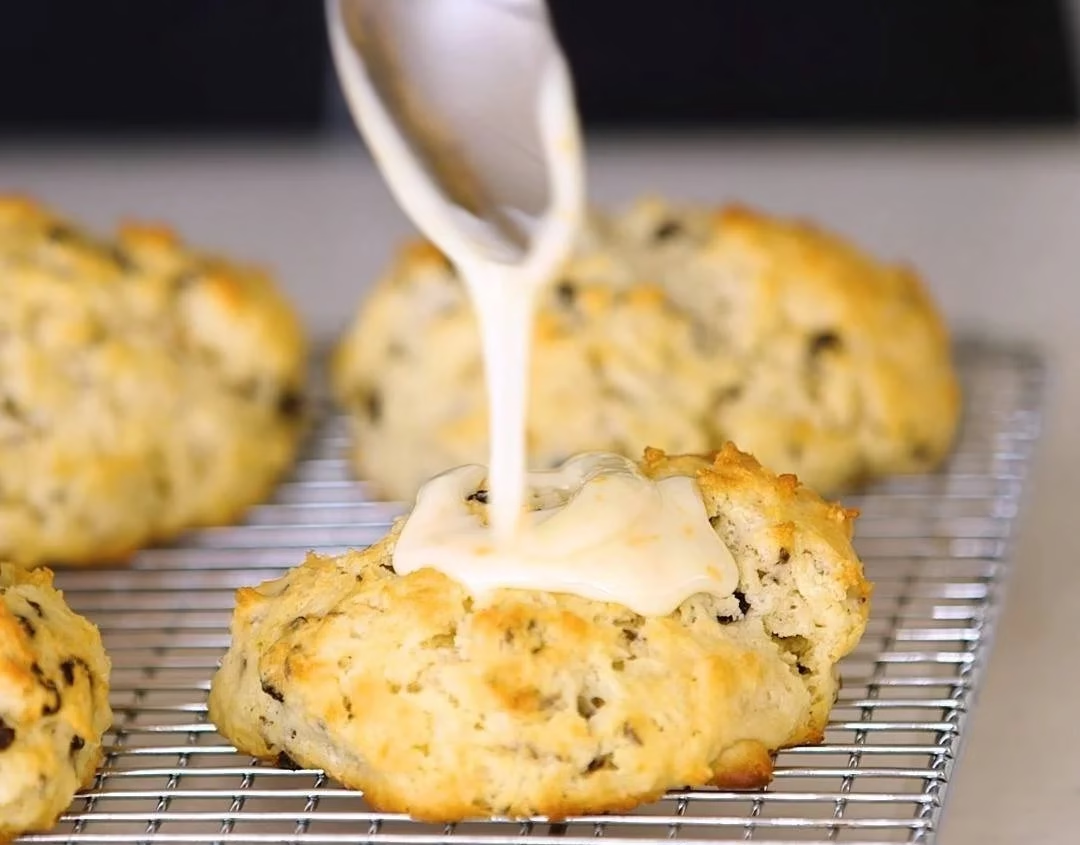
The smell of warm butter and baking bread takes me back to a blue-morning in our little kitchen, sunlight pooling on the table while the kids still lingered in their pajamas. I remember cutting the dough into wedges with flour-dusted fingers and the quiet nods that passed between us as the oven hummed. If you love quick breads, you might also enjoy how a simple twist can become a season in a bite with my pumpkin scones recipe, but for now let me welcome you to the small, steady joy of Irish Soda Scones.
The Story Behind Our Favorite Irish Soda Scones
This is one of those recipes that feels older than I am, passed down in spirit if not on paper. My grandmother made bread that broke without fuss, and the soda scone learned to do the same. It is a loaf that keeps its feet in real life, not in ceremony. We bring it out on slow Sundays, on rainy afternoons when you want to hold something warm in your hands, and on mornings when homework waits at the table.
The first time I made these, I was chasing a memory of that crisp crust and tender crumb. I wanted something quick and honest, a loaf that would forgive hurried kneading and uneven cuts. It has become our family’s answer to days that need a bit of comfort, whether we share it with honey in the morning or tuck it into a picnic basket with sharp cheese. This scone holds the small rituals that quietly stitch together a household.
Bringing Irish Soda Scones Together
“Every time I stir this pot, it smells just like Sunday at home.”
Making Irish Soda Scones is a rhythm, not a race. You will hear the dry mix whisper as you stir in the currants, see the butter dissolve into pale crumbs, and feel the dough change body under gentle hands. The dough is forgiving; it comes together with a few folds and a soft pat. The edges will tell you when to stop, when the oven has worked its slow magic and the crust is ready to be broken.
When I make these, I think about texture first. I want a scone that gives a little and then holds, the crumb soft but not gummy. The caraway seeds add a small surprising note, a warm, almost nutty echo that plays well with butter and jam. The sound of the crust as it cools on a rack is the reward, a light crack that promises warmth inside.
Ingredients You’ll Need
2 cups all-purpose flour
1/2 teaspoon baking soda
1 tablespoon baking powder
1/4 teaspoon salt
1 tablespoon sugar
1/2 cup currants
1 tablespoon caraway seeds
1/4 cup unsalted butter, softened
3/4 cup buttermilk
1 egg (optional, for egg wash)
A little note on the butter: fresh butter gives this its richness and a rounded flavor. If you like a softer, sweeter edge, add an extra tablespoon of sugar for a touch more comfort. For a subtle cozy scent, a small splash of vanilla in the buttermilk can be lovely, though it is not traditional.
Step-by-Step Directions
-
Preheat your oven to 400°F (200°C) and line a baking sheet with parchment paper. Make sure the rack is in the middle so the scones bake evenly and the tops brown gently.
-
In a large bowl, whisk together the flour, baking soda, baking powder, salt, and sugar. Mix until the dry ingredients look uniform and light, like soft sand.
-
Stir in the currants and caraway seeds. Fold them through so the small dark fruit and tiny seeds are scattered and promise little surprises in each bite.
-
Cut in the softened butter until the mixture resembles coarse crumbs. You should still see small pieces of butter that will melt and make flaky pockets.
-
Make a well in the center and pour in the buttermilk. Mix until just combined. Stop when the dough holds together; a little flour on your hands is fine.
-
Turn the dough out onto a floured surface and knead gently until smooth. Use just enough kneading to bring it into one piece, about three to six folds, so the crumb stays tender.
-
Pat into a circle about 1 inch thick and cut into wedges. The circle should be even so the wedges bake at the same pace and the centers finish warm all the way through.
-
Place on prepared baking sheet and, if desired, brush tops with beaten egg. This gives a glossy finish and gentle color, but the scones are lovely without it too.
-
Bake for 15-20 minutes until golden brown. Watch for the edges to turn golden and for the tops to firm; the smell will deepen and the kitchen will feel like Sunday.
-
Let cool slightly and serve warm. Breathe in the aroma that fills your kitchen, then pull a wedge apart and spread butter while the heat still melts it into the crumb.

Serving Irish Soda Scones With Family Warmth
There are simple, small ways to make the scone feel like a centerpiece. I like to set a small plate of salted butter in the middle of the table and a jar of whatever jam is open in the fridge. A sharp cheddar or a soft cheese can change the mood of the scone from breakfast to casual supper. We often serve them with hot tea or a pot of coffee and let everyone help themselves.
If we are having company, I slice the scones and lay them on a warm platter. Add a bowl of lemon curd for brightness and a bowl of thick cream for richness. For a playful afternoon treat, these scones pair wonderfully with simple chilled drinks, and sometimes I reach for something fizzy and sweet that kids love. It feels like sharing a small tradition, passing the plate and hearing the quiet that comes when bread is good.
Storing Irish Soda Scones for Tomorrow
These scones are best the day they are made, but they keep with grace. Store them in an airtight container at room temperature for up to two days. The crust will soften a touch, and the crumb will relax, often tasting even more settled the next morning.
To refresh, warm them in a low oven for five to ten minutes or pop them into a toaster oven until slightly crisped. If you must refrigerate them because of a hot kitchen or a summer day, let them come back to room temperature before warming; a quick zap in the oven brings back the texture. For longer storage, freeze wrapped scones for up to a month and thaw at room temperature, then rewarm gently.
Amelia’s Kitchen Notes
I keep a few small habits that make the process friendly. First, measure by feel when the dough gets close; it will tell you if it needs a splash more buttermilk or a dust of flour. Second, use chilled butter if you like more noticeable flakes, but softened butter gives a tender, easy dough that my kids can help press out.
Third, don’t overwork the dough. Less kneading means a lighter crumb. Finally, I often mix the currants and caraway into the flour before the butter so they disperse evenly and avoid clumps. These small moves keep the process calm and the cleanup quick.
Family Variations on Irish Soda Scones
We keep the base the same and change the mood with a few swaps. Swap currants for raisins if you have them. Add zest of orange and a teaspoon of cinnamon for a bright winter version. For a savory turn, leave out the sugar and add a tablespoon of chopped fresh herbs with a handful of grated cheddar.
In spring, fold in chopped dried apricots and a sprinkle of toasted almonds. For a holiday table, mix in a spoonful of finely chopped candied peel and a scattering of chopped nuts. These changes keep the recipe fresh while keeping the same easy, comforting heart.
Helpful Tips Before You Cook
Can I make this ahead of time?
Yes, and honestly, it might taste even better the next day once the flavors have settled and come together. I will shape the dough, wrap it, and refrigerate for a few hours before baking when my schedule is tight.
What if I don’t have buttermilk?
Mix 3/4 cup milk with a teaspoon of lemon juice or vinegar and let it sit for five minutes. It will sour slightly and act like buttermilk, giving you the tender crumb you want.
How do I get flaky layers?
Keep your butter cold and cut it into small pieces so you still see bits in the dough. Minimal kneading and a gentle patting to shape will keep the scones from getting tough.
Can I freeze the dough?
Yes. Shape the circle, cut into wedges, wrap completely, and freeze. Bake from frozen with a few extra minutes in the oven, and watch closely so the tops don’t darken too fast.
FAQs About Irish Soda Scones
What makes soda scones different from yeast bread?
Soda scones use baking soda and baking powder as leavening, so they rise quickly without waiting for yeast to work. The result is a tender, slightly crumbly loaf with a shallow dome rather than a high rise.
Why add caraway seeds?
Caraway is a traditional note in some regional breads and gives a subtle, warm, almost anise-like hint. If you have people at the table who prefer plain, leave them out; the scone will still be lovely.
Are currants and raisins the same in this recipe?
Currants are smaller and a bit tarter than raisins. They keep better distributed through the dough and give tiny pops of flavor. Raisins are sweeter and slightly chewier; both work well, so use what you love.
Can children help make these?
Absolutely. The steps are safe and forgiving. Kids love cutting the wedges and brushing the tops. It’s a great way to teach them that good food doesn’t have to be complicated.
A Warm Note From My Kitchen
I hope these scones give you the same small warmth they give my house. Baking is the kind of thing that asks very little and returns a great deal. It asks for attention and gives back a table where stories and crumbs are shared. If you try a version with a seasonal twist, I would be glad to hear which one became a new favorite.
For an extra playful finish at a family brunch, try pairing slices with a chilled treat on the side. One of our favorite combos is a simple fizzy drink that the kids call a special, served with a loaf just out of the oven and plenty of butter. You might enjoy trying a glass of fruity fizz alongside a wedge of warm scone, a small ritual that makes weekend mornings feel ceremonial in the nicest, homeliest way. For that, we sometimes turn to a fun idea and serve them alongside pumpkin soda floats when the season calls for a little sweetness.
Until the Next Recipe
Thank you for letting me bring you into my kitchen for this one. I hope the sound of the crust splitting and the smell of butter and baked fruit find their way into your home. Make a pot of tea, bring the family close, and know that this recipe is forgiving and glad to be part of your everyday. Keep it simple, keep it honest, and take pleasure in the small work of baking bread that feeds more than hunger.
Irish Soda Scones
Ingredients
Dry Ingredients
- 2 cups all-purpose flour
- 1/2 teaspoon baking soda
- 1 tablespoon baking powder
- 1/4 teaspoon salt
- 1 tablespoon sugar Add an extra tablespoon for a sweeter taste if desired.
Mix-ins
- 1/2 cup currants Can substitute with raisins if preferred.
- 1 tablespoon caraway seeds Optional, adds a unique flavor.
Wet Ingredients
- 1/4 cup unsalted butter, softened Use chilled for flaky layers.
- 3/4 cup buttermilk Can substitute with sour milk by mixing milk with lemon juice.
- 1 egg optional, for egg wash Gives a glossy finish.
Instructions
Preparation
- Preheat your oven to 400°F (200°C) and line a baking sheet with parchment paper.
- In a large bowl, whisk together the flour, baking soda, baking powder, salt, and sugar until uniform.
- Stir in the currants and caraway seeds until well dispersed.
- Cut in the softened butter until the mixture resembles coarse crumbs.
- Make a well in the center, pour in the buttermilk, and mix until just combined.
- Turn the dough out onto a floured surface and knead gently, about 3 to 6 folds.
Shaping and Baking
- Pat the dough into a circle about 1 inch thick and cut into wedges.
- Place on the prepared baking sheet and brush tops with beaten egg if desired.
- Bake for 15-20 minutes until golden brown.
- Let cool slightly before serving warm.