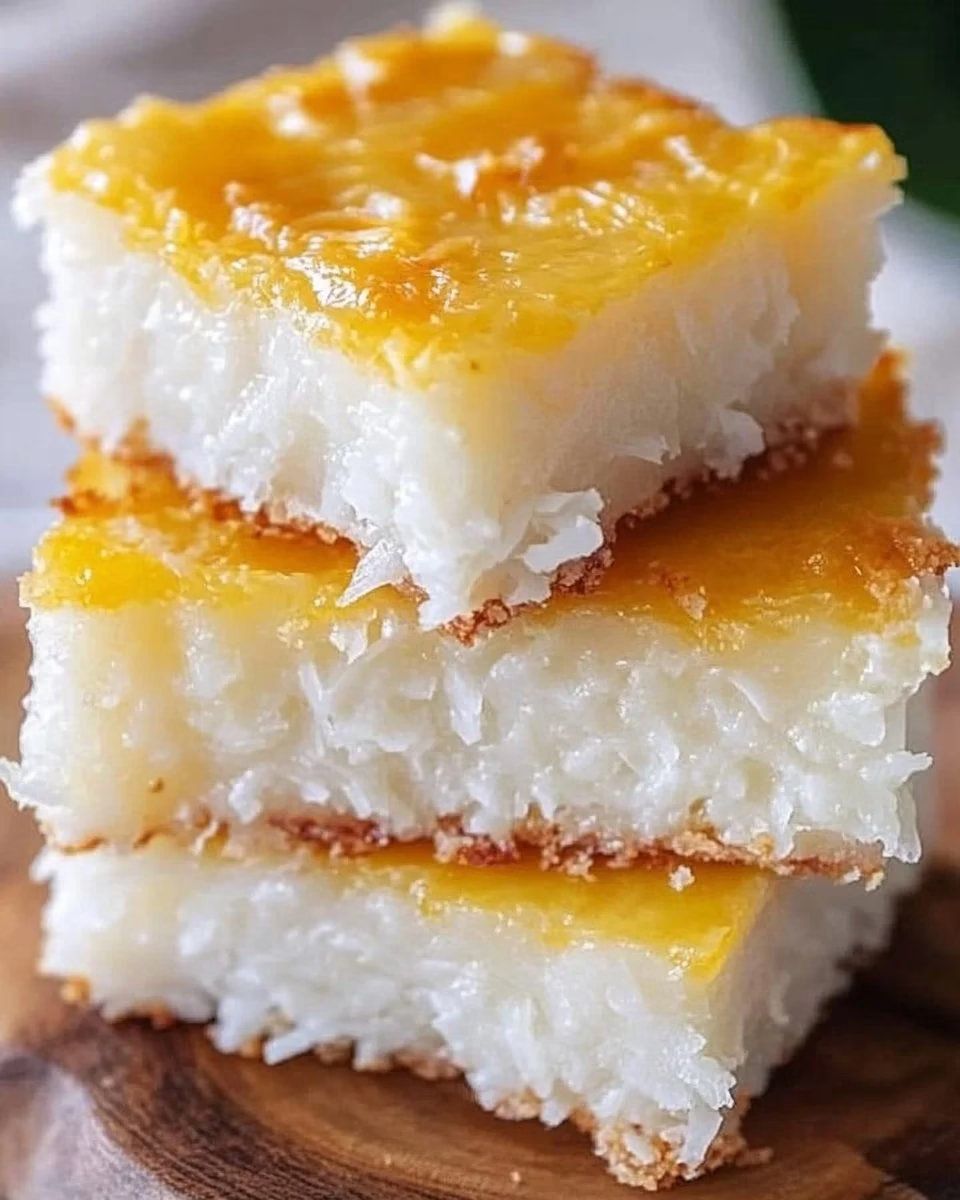
I can still smell the coconut when I close my eyes, the sweet warmth curling through the kitchen and wrapping everyone around the table like a soft blanket. That sticky, golden top, the slight chew of toasted coconut, and the quiet hum of conversation make this cake more than food. It is a call back to small hands reaching for a slice, to the way the house feels softer on slow afternoons, and to the kind of comfort that asks for nothing more than a cup of tea and good company.
Why This Indonesian Sticky Coconut Cake (Wingko Babat) Means So Much
This cake carries the kind of memory that makes you smile without thinking. I first learned to make it from a neighbor who taught me in her sunlit kitchen while my little ones played at our feet. She hummed, I stirred, and we traded stories about family meals and the kind of recipes that live on because they are simple and true.
For me, Indonesian Sticky Coconut Cake (Wingko Babat) is not just a sweet treat. It is a moment of slowing down. It is the sound of the spoon against the bowl, the gentle heat from the oven, and the way the aroma moves through the house like a promise. It sits perfectly between dessert and snack, something to share with friends and to keep on hand for quiet afternoons.
This cake asks for honest ingredients and a bit of patience. It invites you to be present in the kitchen, to notice the color of the batter and the way the edges start to set. And after that, it rewards you with a crust that is slightly toasted and an inside that is tender and sticky, the kind of texture that makes people close their eyes for a second and remember.
The Story Behind Our Favorite Indonesian Sticky Coconut Cake (Wingko Babat)
I remember the first time I served this at a family gathering. My mother-in-law arranged plates like she always did and watched as everyone took a bite. There was a hush, the good kind, and then a chorus of "Mmm" that made me feel like I had offered something small but deeply welcomed.
This cake has a gentle way of showing up at life’s simple moments. It is there when children come home with small triumphs, when neighbors drop by, and when the evening grows quiet and you want a little sweetness without fuss. It has that balance of rustic and comforting that fills a home with warmth.
The recipe itself is forgiving and honest. It does not demand perfect technique or fancy tools. It rewards attention and feeling, the same way any meaningful family recipe does. Once you know the rhythm of it, you will find it popping up in your week more often than you expected.
Bringing Indonesian Sticky Coconut Cake (Wingko Babat) Together
“Every time I stir this pot, it smells just like Sunday at home.”
The process moves at a homey pace, as if the kitchen itself breathes with you. You will notice the pale coconut slowly bloom against the rice flour, the batter thickening and pulling together into something almost glossy. Listen for the soft hush of the oven and watch for the edges to go golden, that quiet signal that it is almost time to take it out and let the flavors settle.
There is a rhythm to stirring, pouring, and waiting that I have grown to love. It is the same rhythm as folding little bits of conversation into ordinary days. And when you finally lift the pan from the oven, the scent will make you want to set the table right away. The top will have a warm sheen, the edges a tender crisp, and it will feel like the kind of cake that holds stories.
Ingredients You’ll Need
2 cups grated coconut
1 cup rice flour
1 cup sugar
1/2 teaspoon salt
2 cups coconut milk
1 teaspoon vanilla extract
1/2 teaspoon baking powder
A little side note: a little extra vanilla if you love a cozy aroma.
Freshly grated coconut brings the best texture, but dried packed coconut will do in a pinch.
If you enjoy coconut-forward treats, you might also like my 4-Ingredient Coconut Raspberry Fudge for an easy, joyful sweet to share.
Step-by-Step Directions
-
Preheat the oven to 350°F (175°C).
Make sure the rack sits in the center so the cake cooks evenly.
Grease a baking dish and feel the quiet calm of preparation settling in. -
In a large bowl, mix together grated coconut, rice flour, sugar, and salt.
Stir until the dry mix looks even and the grain catches the light.
Take a moment to breathe in the sweet, raw coconut scent. -
In another bowl, whisk together coconut milk, vanilla extract, and baking powder.
Whisk until the mixture looks smooth and a bit glossy on top.
The motion is soothing, and the vanilla will lift the scent gently. -
Combine the wet ingredients with the dry ingredients and mix until well blended.
Fold the batter slowly so the coconut stays distributed and the texture builds.
Stir until glossy and thick, like a soft dough that clings as you lift the spoon. -
Pour the batter into a greased baking dish.
Smooth the top so it cooks evenly and the edges can crisp up just right.
You will already feel warmth growing in your kitchen as the scent begins to travel. -
Bake for 30-40 minutes or until the top is golden and a toothpick comes out clean.
Watch for the edges to turn golden and the center to come set but still slightly springy.
When you lift the pan from the oven, breathe in that deep, cozy aroma. -
Let it cool before slicing and serving.
Cooling helps the texture firm up so each slice holds together with a tender chew.
Wait for the room to fill with a comforting hush before you cut into it.
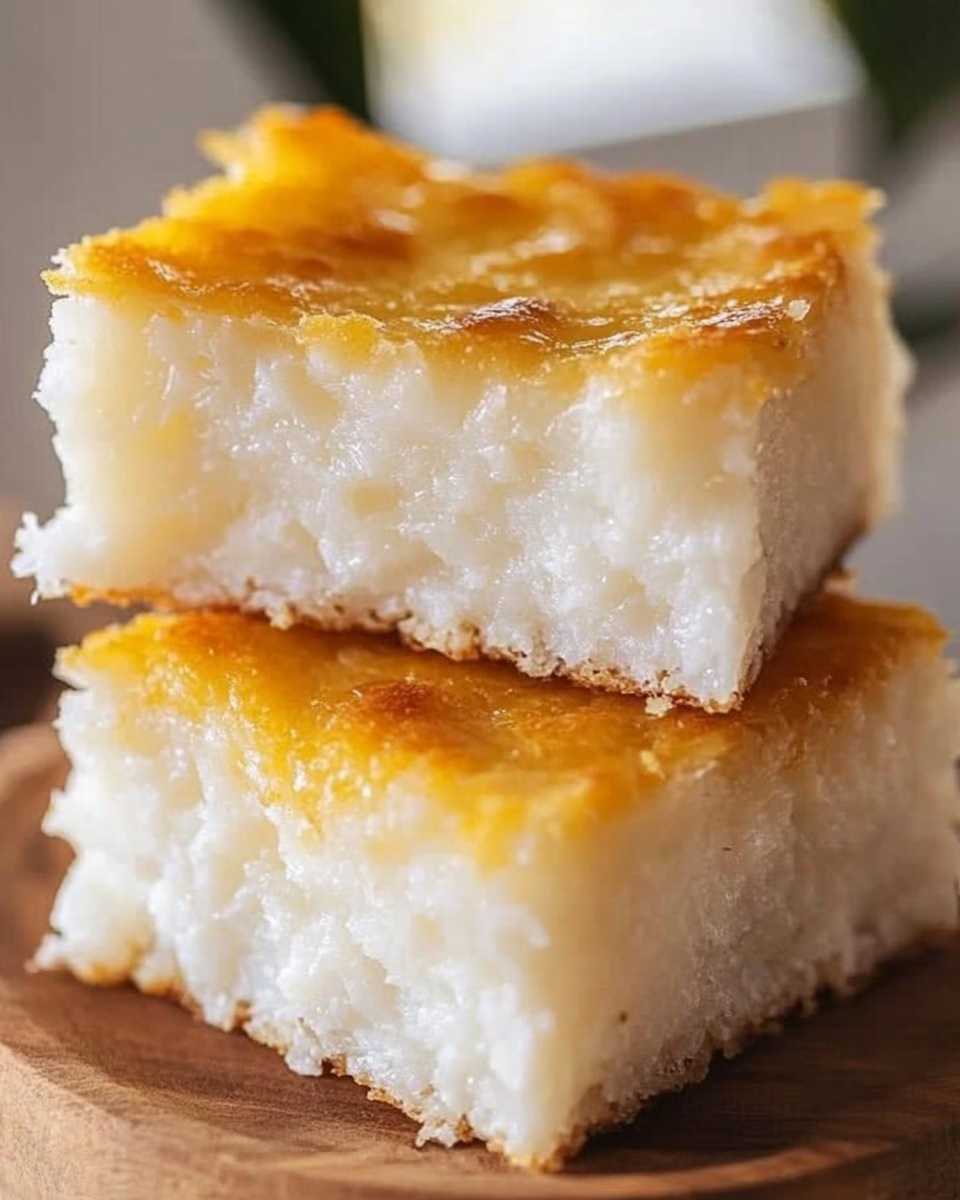
Serving Indonesian Sticky Coconut Cake (Wingko Babat) With Family Warmth
We often serve this cake simply, on a wooden board with small plates beside it and a pot of tea. The best moments are the ones where people help themselves, reach across the table, and share a piece while the kitchen still smells like baked coconut. Plates do not need to be fancy. This cake is happiest in a casual setting with laughter and crumbs.
For a little extra touch, I like to toast a handful of coconut flakes and sprinkle them on top just before serving. It adds a lovely crispness and a deeper toasted flavor that makes each bite more interesting. A smear of softened butter on a warm slice is another small pleasure that my family loves.
If you plan to offer other sweets, pairing it with something that has a contrasting texture works beautifully. For an autumn gathering, I often set out a small tray of spice-forward cookies alongside the cake. They give a crisp bite next to the cake’s chewiness and make for a balanced little dessert table when people are grazing and talking. You can find a cozy companion recipe like these Apple Cider Cheesecake Cookies that play nicely with the cake’s coconut warmth.
Keeping It Fresh and Comforting
Storing this cake is simple, and the method depends on how soon you will eat it. I like to cover it loosely with foil at room temperature if we will finish it within a day. The top will stay pleasantly tender and the interior will keep that soft, sticky quality.
If you need to save slices for longer, keep them in an airtight container in the refrigerator. When chilled, the cake becomes firmer and the flavors concentrate a bit, which many of us enjoy. To reheat, give a slice a minute or two in a warm oven or a brief turn in the toaster oven to soften the center and crisp the edges again.
Leftovers sometimes taste even friendlier the next day because the coconut and the vanilla have more time to settle together. I share this tip with friends who are surprised at how often a simple day-old cake becomes the favorite bite.
Amelia’s Kitchen Notes
Little tricks that make the day easier
Measure your rice flour gently so it stays light and airy. If it packs down, the cake can become denser than I want. A quick sift helps keep everything tender.
Timing and texture
If the top browns faster than the center cooks, tent the dish loosely with foil for the last 10 minutes. This helps the center set without burning the top.
Shortcut for busy days
If you do not have fresh grated coconut, use unsweetened desiccated coconut and soak it briefly in the coconut milk before combining with the dry ingredients. This brings back moisture and the fragrant coconut bite.
Cleaning up with ease
Use the same bowl for dry mix and leftover wet bits when you can. A quick rinse between steps saves dishes and keeps the process flowing. Small kitchen wins like that make cooking feel lighter.
A reminder about ingredients
Good coconut milk makes a noticeable difference. I keep a can I like in the pantry for recipes like this. It is one of those small choices that shows up in the texture and aroma.
Family Variations on Indonesian Sticky Coconut Cake (Wingko Babat)
Our family has tried this cake in a few different ways, always with the same warm feeling at the center. Once, I stirred in a few tablespoons of mashed banana for a subtly different sweetness. It changed the texture slightly but kept the familiar coconut tone that everyone loved.
Another version we sometimes make includes a scattering of chopped nuts on top before baking. The nuts toast as the cake bakes and add a pleasant crunch that contrasts with the chew. If you like a touch of citrus, a teaspoon of finely grated orange zest mixed into the batter gives a bright lift to each bite.
For a festive touch, I have spread a thin layer of coconut jam across the top after baking and then popped it under a broiler for a minute to caramelize. It is a small indulgence, but it turns a humble cake into something a little showy for guests.
FAQs About Indonesian Sticky Coconut Cake (Wingko Babat)
Can I make this ahead of time?
Yes, and honestly, it might taste even better the next day once the flavors have settled and come together. Keep it covered at room temperature for a day, or refrigerate for longer storage.
Can I use sweetened coconut instead of unsweetened?
You can, but it will change the overall sweetness. If you use sweetened coconut, consider reducing the sugar by a little to keep the balance you love.
Is rice flour the only flour that works?
Rice flour gives this cake its characteristic texture and chew. You could try a mix of rice flour and a small amount of tapioca or millet flour if needed, but expect subtle changes in texture.
How do I avoid a dry cake?
Do not overbake. The center should feel set but still slightly springy when you press the top lightly. A toothpick that comes out clean with a few moist crumbs is a good sign it is done.
Can I freeze this cake?
Yes, for longer storage freeze slices individually wrapped in plastic and then in a freezer bag. Thaw in the refrigerator and warm briefly in a low oven before serving.
A Final Thought
I hope this Indonesian Sticky Coconut Cake (Wingko Babat) brings a little warmth and inspiration to your kitchen, the same way it does in mine. It is the kind of recipe that asks for gentle care and gives back the comfort of shared moments. When you slice into it and pass pieces around, I hope you hear the same soft approvals and shared smiles that make kitchens feel like home.
Indonesian Sticky Coconut Cake
Ingredients
Main Ingredients
- 2 cups grated coconut Freshly grated coconut gives the best texture, but dried packed coconut can be used in a pinch.
- 1 cup rice flour Measure gently to keep the flour light and airy.
- 1 cup sugar
- 1/2 teaspoon salt
- 2 cups coconut milk Good coconut milk makes a significant difference in texture and aroma.
- 1 teaspoon vanilla extract Add extra if you enjoy a strong vanilla aroma.
- 1/2 teaspoon baking powder
Instructions
Preparation
- Preheat the oven to 350°F (175°C) and ensure the rack is in the center.
- Grease a baking dish.
Mixing Dry Ingredients
- In a large bowl, mix together grated coconut, rice flour, sugar, and salt until evenly combined.
Mixing Wet Ingredients
- In another bowl, whisk together coconut milk, vanilla extract, and baking powder until smooth and glossy.
Combining Ingredients
- Combine the wet and dry ingredients, mixing until well blended. Fold slowly to keep the coconut distributed.
- Pour the batter into the greased baking dish and smooth the top.
Baking
- Bake for 30-40 minutes, or until the top is golden and a toothpick comes out clean.
- Let it cool before slicing to help the texture firm up.