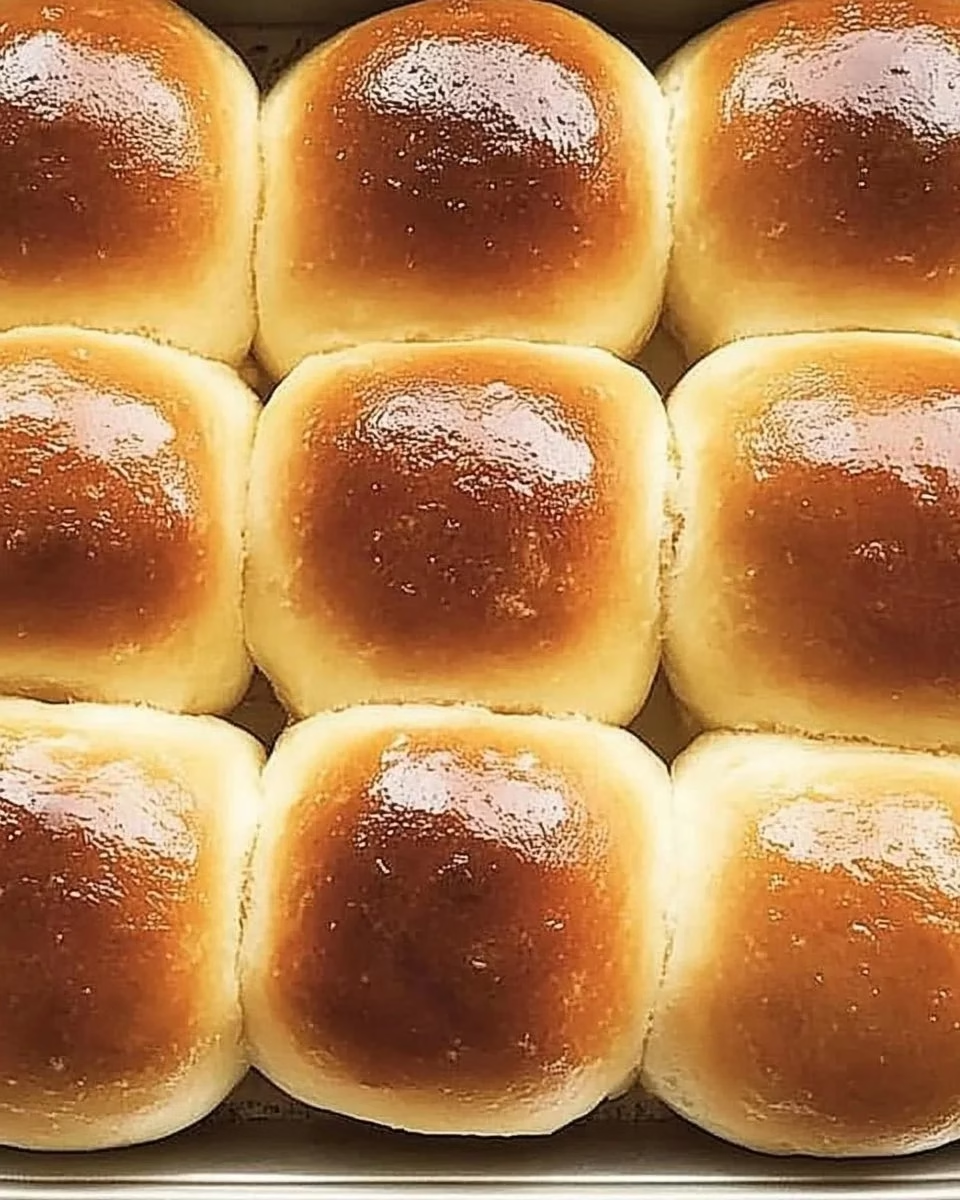
I can still smell the warm milk and butter as if it were happening now. The kitchen table was dusted with flour and my hands were soft with dough, and everyone waited for that first pull of a roll, torn apart while it was still steaming. These Homemade Rolls have been the quiet center of many simple evenings, a small ritual of patience and care that turns a few humble ingredients into something gentle and whole. Sometimes when the season asks for something with a little more spice, I will reach for a cinnamon twist or try a sweeter companion like my Christmas cinnamon rolls recipe to share across a long table.
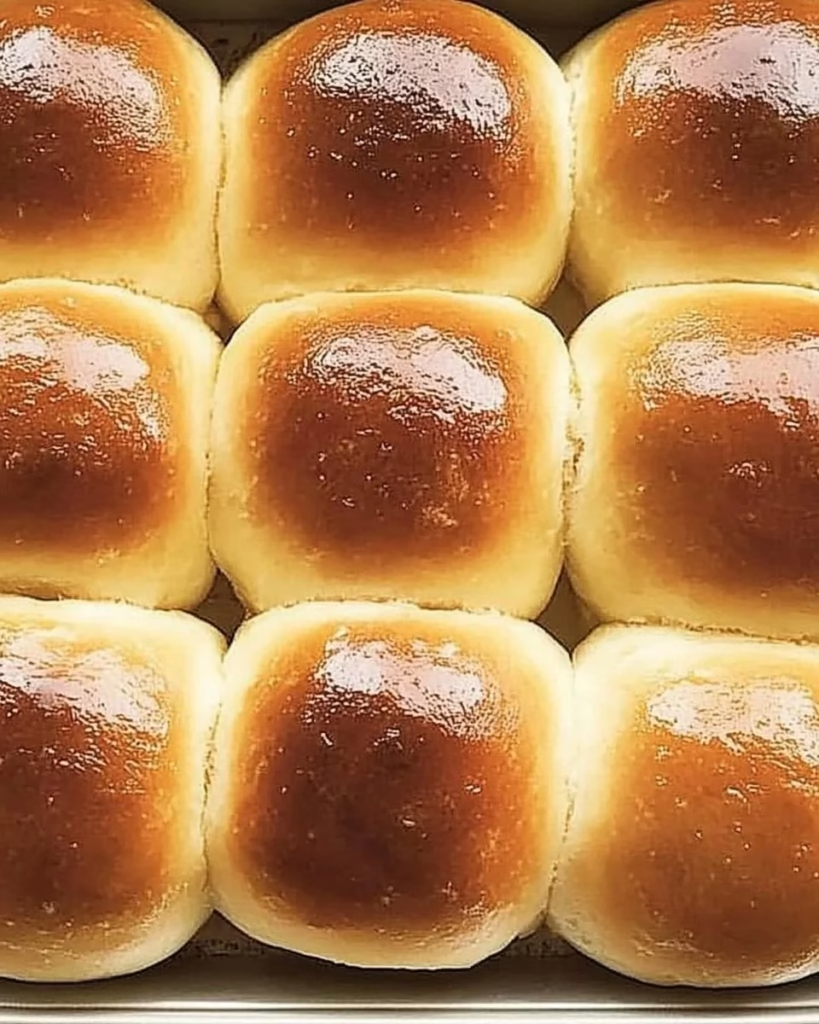
Homemade Rolls
Ingredients
Dough Ingredients
- 4 cups all-purpose flour
- 2 tablespoons sugar room temperature helps with texture and boosts yeast activity gently.
- 1 packet active dry yeast (2 1/4 teaspoons)
- 1 teaspoon salt
- 1 1/2 cups warm milk warm, not hot, for the yeast to wake up.
- 1/4 cup unsalted butter, melted adds classic richness and soft crumb.
- 2 large eggs room temperature helps with texture and even mixing.
Instructions
Preparation
- In a large bowl, mix warm milk, sugar, and yeast. Let it sit for about 5 minutes until foamy.
- Add melted butter and eggs to the mixture. Stir until the ingredients feel combined and smooth.
- Gradually add flour and salt, mixing until a dough forms.
- Knead the dough on a floured surface for about 5-7 minutes until smooth.
- Place the dough in a greased bowl, cover, and let it rise in a warm place until doubled in size, about 1 hour.
Shaping and Baking
- Punch down the dough and shape it into rolls.
- Place on a baking sheet and let rise again for 30 minutes.
- Preheat oven to 350°F (175°C).
- Bake the rolls for 15-20 minutes until golden brown.
Notes
Nutrition
Why This Homemade Rolls Has Always Been a Favorite
This recipe lives in my kitchen because it keeps a promise: soft crumb, golden tops, and the kind of warmth that draws people into the same room. I first made it for a small dinner with friends who liked simple food and slow conversation. It felt right from the start, because the dough is forgiving and the flavor is calm and familiar.
What makes it stay in rotation is its steady nature. The method asks for patience but not perfection. It is the kind of recipe you can trust to bring comfort without fuss. Over the years, I have served these at breakfasts, weeknight dinners, and holiday gatherings, and their quiet goodness fits every table.
Baking them is a way to turn a few ordinary minutes into something lasting. The aroma of milk and butter in the oven is the kind that carries through rooms and lingers on the tongue. People remember the feel of a warm roll in their hands more than the exact moment they ate it, and that memory keeps me baking.
How to Make Homemade Rolls
“Some recipes just feel right the moment they come together.”
Begin by setting a calm pace. Measure your flour and warm your milk carefully. Warm milk should feel like a cozy bath, not hot enough to scald; that steady warmth will wake the yeast without shocking it. Combine sugar with the milk to give the yeast a friendly little feast.
When the dough first forms, it may feel a little sticky and a little shy. That is all right. A few minutes of kneading asks you to slow down and feel the change from rough bits to smooth elasticity. Watch how the dough changes as it pulls into a soft, supple ball.
Letting the dough rise is a moment for trust. Place it in a greased bowl and cover it so it does not form a skin. Find a warm, quiet place and let time do its gentle work. The dough will double, and when you press your finger in, it should spring back slowly, a sign that the yeast has done its part.
Shape the rolls with a light touch. You do not need to be precise to make something comforting. Arrange them on a baking sheet, give them a second rest, and preheat the oven to let heat finish what time began. Watch for golden color and listen for a soft hollow sound when you tap the bottom. Let them cool until just set before serving so the crumb can settle into that tender, familiar texture.
Ingredients You’ll Need
4 cups all-purpose flour
2 tablespoons sugar — room temperature helps with texture and boosts yeast activity gently.
1 packet (2 1/4 teaspoons) active dry yeast
1 teaspoon salt
1 1/2 cups warm milk — warm, not hot, for the yeast to wake up.
1/4 cup unsalted butter, melted — this adds a classic richness and soft crumb.
2 large eggs — room temperature helps with texture and even mixing.
1
Step-by-Step Directions
In a large bowl, mix warm milk, sugar, and yeast. Let it sit for about 5 minutes until foamy. Watch for a light foamy cap on the milk that tells you the yeast has woken and is ready to work.
Add melted butter and eggs to the mixture. Stir until the ingredients feel combined and smooth, with a gentle shine from the butter and a little weight from the eggs.
Gradually add flour and salt, mixing until a dough forms. Add the flour in parts and fold with a wooden spoon or your hands until the dough pulls together into a rough ball.
Knead the dough on a floured surface for about 5-7 minutes until smooth. Push and fold with the heels of your hands until the surface is soft and springs back; avoid overworking and keep a light, steady rhythm.
Place the dough in a greased bowl, cover, and let it rise in a warm place until doubled in size, about 1 hour. A clear glass bowl helps you watch the rise, and a warm corner of the kitchen often works best.
Punch down the dough and shape it into rolls. Place on a baking sheet and let rise again for 30 minutes. Shape them gently, leaving a little space so each roll can puff and round as it rests.
Preheat oven to 350°F (175°C). Give the oven a few minutes to reach temperature so your rolls start baking evenly when they go in.
Bake the rolls for 15-20 minutes until golden brown. Look for even color, and when you tap the bottom it should sound softly hollow; let them cool until just set before serving.
Serving Homemade Rolls With Care
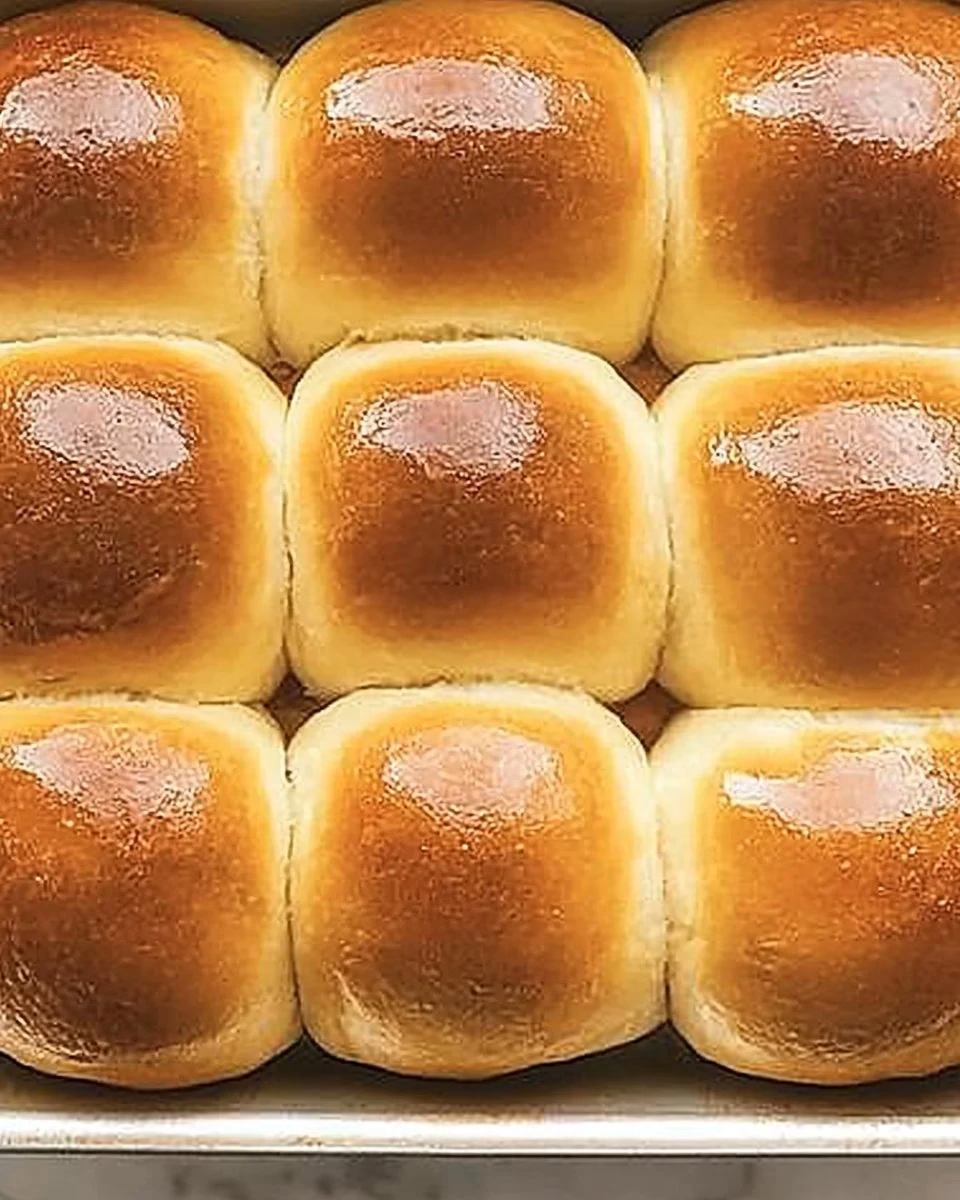
These rolls ask for nothing more than a little butter to be perfectly happy. I often set a simple tray with softened butter and a small jar of jam and let people choose. The quiet pleasure comes from the steam rising when you split one open and the butter melting into the tender crumb.
They also sit well beside soups and stews, picked up and dipped with the same ease as a slice of bread. For a lighter afternoon treat, I warm one briefly and brush the top with a thin glaze or a sprinkle of coarse sugar. It feels like a small kindness to the people you feed.
For a holiday spread, place them on a cloth-lined basket so they stay warm and welcoming. The soft texture pairs well with strong flavors like roasted meats or sharp cheeses, and the mild sweetness helps balance richer dishes. Serving these with care is about warmth and presence as much as about the food itself.
Classic homemade orange candy can be a bright, nostalgic sweet to place nearby when you want a small, contrasting treat on the table.
Storing Homemade Rolls for Later
If you have leftovers, store the rolls in an airtight container at room temperature for up to two days. The texture is best on the first day, but they keep their soft charm if you wrap them well. For longer keeping, freeze the cooled rolls in a freezer bag for up to three months.
To refresh a roll from the freezer, thaw at room temperature and warm gently in a low oven for 5 to 8 minutes. A quick brush of butter after warming brings the crust back to life and lets the crumb soften into its familiar, tender state. If you store them in the fridge, let them come to room temperature before reheating so the crumb regains its gentle softness.
Mary’s Baking Notes
Warm your milk to just warm on the wrist. You should be able to keep your finger comfortably in for a moment. This small check keeps yeast friendly and the dough steady.
If your dough feels sticky while kneading, give it a minute to rest. Resting for five minutes lets the flour hydrate and will make it easier to work without adding too much extra flour.
Use room temperature eggs. They blend more easily into the dough and help the mixture come together without chilling the yeast.
When shaping rolls, keep your touch light. Pressing too hard can make the crumb tight. We want airy, soft centers that pull apart easily.
If your kitchen is cool, let the dough rise in a turned-off oven with the light on or near a warm appliance. A consistent, gentle warmth helps the dough double without hurry.
Family Variations on Homemade Rolls
For a breakfast twist, roll each portion thin and brush with melted butter, then sprinkle with a cinnamon sugar mix before rolling into crescents. The result is a soft morning roll that smells like a small, sweet comfort.
If you love a savory note, fold in a tablespoon of finely chopped herbs into the dough before the first rise. Chives, dill, or rosemary give a fragrant lift that pairs well with soups and roasted vegetables.
A small sweet change is to add a spoonful of orange zest and a touch more sugar to the dough. The hint of citrus brightens the roll without taking it away from its classic place at the table. These small family changes keep the recipe familiar while letting each household make it its own.
For a more rustic look, braid three smaller strands of dough together and bake as a single loaf. The outside will caramelize in a gentle way, and the slices make a lovely presentation for guests.
FAQs About Homemade Rolls
Can I make this ahead of time?
Yes, you can shape the rolls and place them on the baking sheet, then cover tightly and refrigerate overnight. Take them out an hour before baking to bring them back to room temperature and let them rise a touch before the oven.
How do I know if my yeast is still good?
Proof the yeast in warm milk with sugar for five minutes and watch for foam. If it bubbles and grows a little, the yeast is healthy. If nothing happens, it is time for fresh yeast.
Can I use milk substitutes?
You can use plant milk, though the flavor will be a little different. Warm it to the same gentle temperature and use the same method; the richness from butter and eggs will still help the crumb stay soft.
What is the best way to reheat rolls?
Warm them in a low oven for five to ten minutes or microwave briefly covered with a damp towel for about 10 to 15 seconds. A light butter brush after warming brings back the fresh-baked feel.
Why did my rolls come out dense?
Dense rolls can come from insufficient rise or overworking the dough. Make sure the dough doubled during the first rise and that you shaped gently. Also check your yeast activity and the temperature of your liquid.
More Sweet, Seasonal Treats You’ll Love
If baking these Homemade Rolls brings that quiet joy of flour-dusted counters and warm ovens, there are plenty of other gentle recipes waiting for you. When you’re craving something soft and nostalgic, Marshmallow Fluff Fudge is a simple, old-fashioned sweet that melts just as easily into family moments. For playful comfort, Banana Pudding Rice Krispie Treats carry that familiar pudding flavor in a no-bake form everyone loves.
you can always find me sharing from my kitchen on Pinterest and over on Facebook.