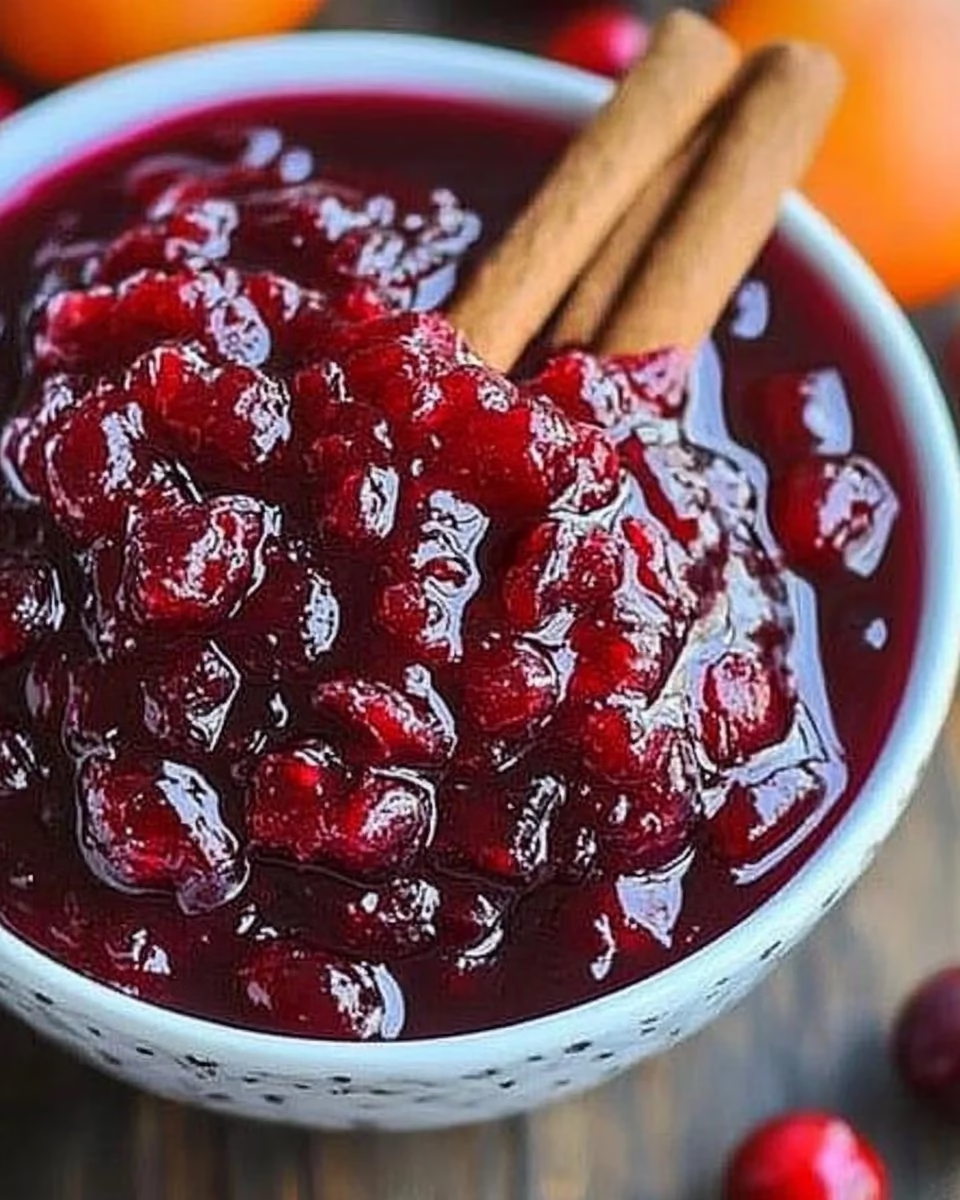
The steam from a small pan fogged the kitchen window as I stood on a stool, stirring a pot of bright red berries and orange juice late one December evening. I watched the berries wobble, one by one giving way and releasing a glossy blush that smelled like cold walks and warm ovens at once. That gentle pop, the citrus perfume that lifts the whole room, and the soft, comforting shine of a sauce that will sit beside a roast or spooned over yogurt made me feel like a kid discovering a new favorite every time I test this recipe.
Why This Homemade Christmas Cranberry Sauce Became a Favorite
This recipe arrived from curiosity and a small stack of late-night tests. I wanted a sauce that felt honest and small-batch, something to make on a quiet morning or for a last-minute holiday table. Over several tries I pared back heavy spices and focused on texture, tasting for balance rather than bravado.
I learned to trust what my eyes and spoon told me. Too much sugar dulled the brightness. Too little liquid left the berries stubborn and uneven. The moment the sauce found a glossy set and the orange breathed through it, the recipe finally sang. That kind of discovery is at the heart of why I keep returning to this Homemade Christmas Cranberry Sauce.
I always start with simple ingredients and let the kitchen guide small changes. If you enjoy a playful test in the kitchen, you will find this sauce gives you room to try, taste, and adjust without wrecking dinner. It is dependable, but it also invites curiosity.
I sometimes pair the sauce with little treats or use it in a pinch for quick tarts. When I want a richer counterpoint, I think about chocolate and the way cranberry tang meets bitter sweet. If you are curious, check out one of my favorite twists shared here: dark chocolate covered cranberry sauce bites. It’s a small idea that grew from a spoonful of leftover sauce.
How This Homemade Christmas Cranberry Sauce Comes Together
“The moment the texture shifts, you know it’s ready.”
The rhythm of making this sauce is steady and kind. You dissolve sugar in water, bring bright cranberries into that warm bath, and watch the chemistry of heat and fruit do the work. It moves from separate, glossy berries to a jammy, slightly chunked sauce that still has a lively snap.
Watch for the sheen. At first the pot looks busy and raw. After a few minutes of simmering the skins split, the liquid deepens to a jewel-like red, and tiny bubbles change from sharp to slow and syrupy. That shift tells you the pectin has begun to set and the sauce will firm as it cools.
Texture is what matters most to me. I like a balance between whole berries and a smooth spreadable base. If you want looser sauce, stop earlier. If you like it more set, cook a bit longer. The scent of orange and cinnamon will tell you how far to go.
Ingredients You’ll Need
12 ounces fresh cranberries
(this gives fresh snap and natural pectin)
1 cup sugar
(this adds sweetness and helps the sauce set)
1 cup water
(this thins the mix so the berries cook evenly)
1 orange, zested and juiced
(zest for aroma, juice for brightness and acidity)
1/2 teaspoon ground cinnamon (optional)
(this adds gentle warmth without taking over)
Each ingredient plays a role in texture, balance, and aroma. Fresh cranberries bring the tartness and body. Sugar softens the sharpness and gives the sauce structure. Water controls how quickly the sauce concentrates while it cooks. Orange juice wakes up the flavor and keeps things lively. The zest adds a bright, oily perfume that lifts the whole pot and makes it smell like holiday mornings. Cinnamon is truly optional, but when used sparingly it gives a cozy undertone that teams well with roasted meats and creamy desserts.
If you like to imagine pairing ideas as you gather ingredients, I sometimes spoon a little of this sauce into small chocolates or onto buttery crackers. It also makes a neat partner for dark chocolate, which you can explore further in a fun pairing like dark chocolate covered cranberry sauce bites. The link is an easy place to see how this sauce can move beyond the table and into little treats.
Step-by-Step Directions
-
Rinse the cranberries under cold water and remove any stems.
Spread them on a towel and pick out any soft or blemished berries.
You want mostly firm bulbs that will pop nicely during cooking. -
In a saucepan, combine the water and sugar over medium heat. Stir until the sugar dissolves.
Heat gently so the syrup becomes clear and smooth without boiling right away.
You should see the sugar melt into a glossy liquid before you add fruit. -
Add the cranberries and orange juice to the saucepan.
Stir to coat the berries and bring the mix to an even temperature.
The orange juice brightens the pot and helps the berries release flavor. -
Bring the mixture to a boil, then reduce the heat and let it simmer for about 10 minutes or until the cranberries have burst and the sauce thickens.
Watch for the berries to split and for the bubbles to slow to a syrupy roll.
Stop once the sauce has a smooth sheen and the texture feels soft but set. -
Stir in the orange zest and cinnamon if using.
Add the zest off heat or in the last minute so it keeps its fragrance.
The cinnamon should feel like a soft whisper, not a push. -
Remove from heat and let cool. The sauce will thicken as it cools. Serve chilled or at room temperature.
Let it sit until it reaches the texture you like and taste for balance before storing.
A little cooling shows whether it needs a touch more sugar or a squeeze more juice.
Watching It Transform
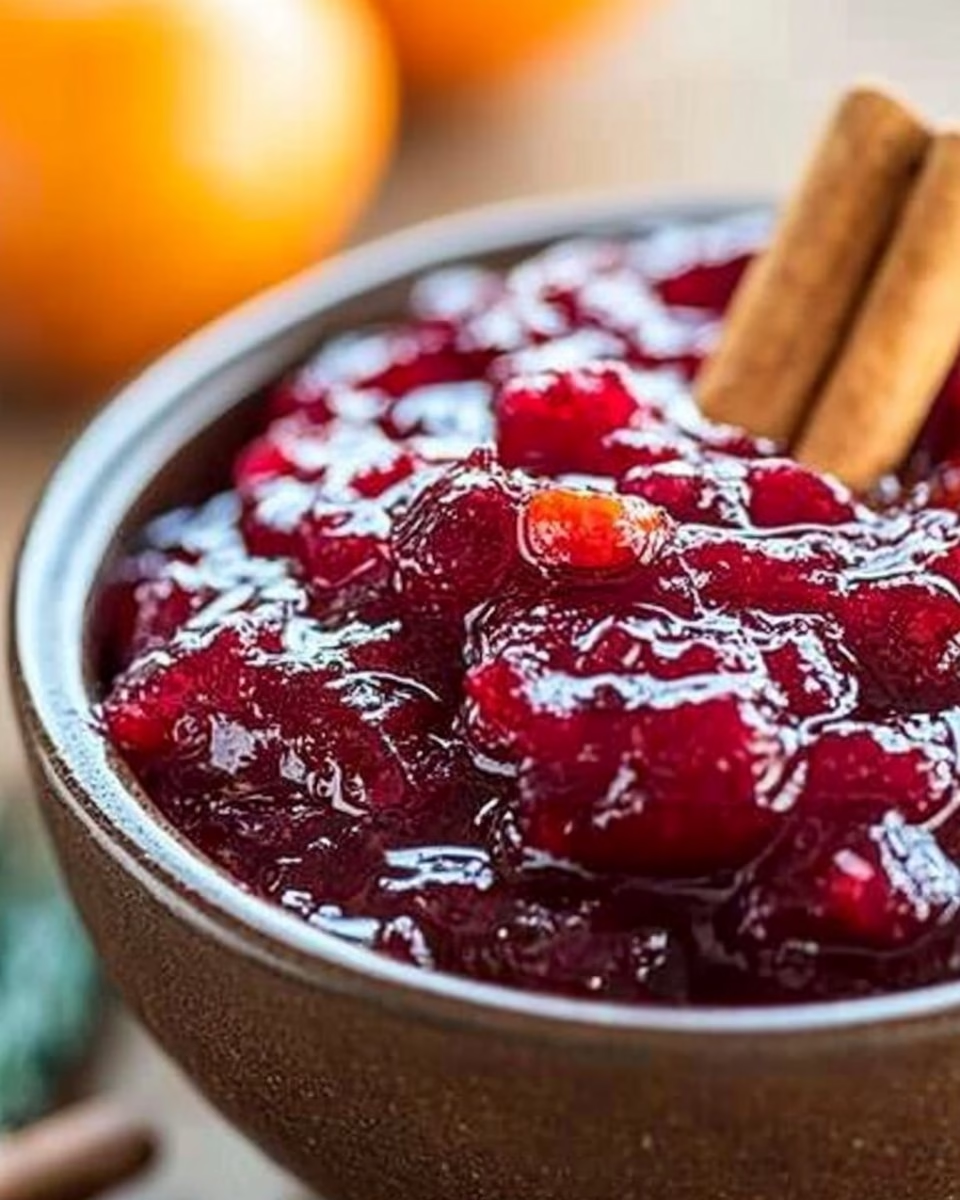
There is a gentle magic when cranberries go from tight little orbs to a thick, shining sauce. At first, the pot looks restless—berries bumping and swirling in hot syrup. As minutes pass, the sound calms and the color deepens. That is your cue.
When the berries begin to burst, they release pectin and flavor into the liquid. The mixture moves from watery to syrupy. You will notice the bubbles slow and the edges cling to your spoon. That cling is a visual cue that the sauce is forming structure.
Texture will change as it cools. Warm, it may seem softer than you want. That is normal. Give it a cool-down period and reassess. If you spoon a bit onto a chilled plate and it sets up, the batch is done. If it spreads too much, a short return to heat can tighten it up.
When I Serve Homemade Christmas Cranberry Sauce
I reach for this sauce on holiday mornings and on ordinary Tuesdays when the fridge needs a spark. It is small-batch friendly so I often make it just for two or four, not a huge vat that sits half-used.
For a relaxed holiday, I place a small bowl of sauce on the table near the roast and let family spoon as they like. It pairs beautifully with roasted turkey, pork, or even a sharp cheese plate. Spoon a dollop on a warm biscuit, fold it into plain yogurt, or spread a layer on a slice of gingerbread for a simple dessert.
If I am hosting a casual dinner, I will plate a few spoons on small dessert plates, add a smear of mascarpone, and sprinkle toasted nuts. It looks lovely and tastes like a thoughtful little indulgence without fuss.
Keeping Homemade Christmas Cranberry Sauce Fresh
Store this sauce in a clean jar with a tight lid in the refrigerator. It will keep for about 1 to 2 weeks and often tastes even better after a day as the flavors marry. You will notice the texture firm a bit with time and the citrus notes settle into the berries.
If you need to freeze it, cool the sauce completely and use a freezer-safe container, leaving a little headroom for expansion. It will keep up to 3 months. Thaw in the fridge and stir well before serving. If the sauce looks a touch watery after thawing, a short simmer will bring it back to the right weight.
Expect a slight texture change after a few days. The vibrant snap of fresh berries will soften, but the flavor deepens. If you prefer a bright, lively pop, make it the day you want to enjoy it. If you like a more melded taste, letting it rest overnight helps the flavors become more even.
Carol’s Baking Notes
-
Use fresh, firm cranberries for the best texture. Soft berries can make the sauce cloudy and thin.
I sort through mine quickly before rinsing and feel the difference in the final set. -
Watch the boil stage closely. Once the berries start to pop, things move fast.
Pull the pan off the heat when the bubbles slow and the mixture clings to the spoon. -
If your sauce seems too tart, add a tablespoon of sugar at a time and taste.
Be patient; small increments make it easy to nudge sweetness without losing brightness. -
For a silkier sauce, mash a few berries with the back of a spoon during simmering.
That gives you body without overcooking every berry into oblivion. -
Zest the orange before juicing it. The oils in the zest add a fragrant lift that changes the whole aroma.
I often taste the zest raw to sense how much to add, because zest varies in intensity.
Each of these notes came from testing small batches in my kitchen. I kept the recipe small on purpose so that changes are easy to make and taste. I find that working in small batches makes me pay attention to texture and aroma in a way big pots do not.
Variations I’ve Tried
-
Spiced Orange: Add a small piece of star anise or a few cloves while simmering, but remove before serving.
The sauce takes on a warm, festive scent, and the single spice note keeps it gentle. -
Maple Twist: Replace half the sugar with maple syrup for a rounded, woodsy sweetness.
It pairs beautifully with pork and brings a rustic tone to the sauce. -
Balsamic Bright: Stir in a teaspoon of good balsamic vinegar off heat for a complex tang.
This works well with savory plates and shifts the sauce to a more adult flavor. -
Ginger Snap: Add a teaspoon of finely minced fresh ginger in step five for a lively bite.
Ginger warms and sharpens, and it is especially nice with roasted root vegetables. -
Smooth Jam: Push the sauce through a sieve for a smoother spread.
This is a favorite if you want to make a tart filling or a neat layer for sandwiches.
Each variation respects the basic balance of fruit, sugar, and citrus. They are small experiments that keep the recipe reliable while letting you make something that feels uniquely yours.
FAQs About Homemade Christmas Cranberry Sauce
Can I make this ahead of time?
Yes. In many cases it sets better after resting, especially once the texture has fully settled. Make it a day ahead and keep it refrigerated; flavors tend to blend and mellow overnight.
What if my sauce is too thin?
If the sauce seems thin after cooling, return it to a gentle simmer for a few minutes to reduce excess liquid. Alternatively, let it sit overnight in the fridge and reassess, because chilling often firms it naturally.
Can I use frozen cranberries?
Yes, frozen cranberries work, but they may release more water as they thaw. Start with them partially thawed and adjust simmer time to reach the right thickness.
How do I control sweetness?
Start with the stated cup of sugar, but taste as the sauce cools. Add a tablespoon at a time if you prefer it sweeter. Remember extra sugar also helps it set firmer.
Is cinnamon necessary?
No. Cinnamon adds a warm note I like for the holidays, but the sauce is bright and complete without it. Use it sparingly if you want a hint rather than a statement.
Sharing Homemade Christmas Cranberry Sauce
This sauce lives in real moments. I sometimes ladle it into small jars, tie a ribbon, and hand them to neighbors as a little winter gift. It is an easy present that says, I made this for you, and I hope you enjoy it.
At dinners, I set out a small bowl with a spoon and let people top their plates as they like. For potlucks, I bring a shallow dish to make scooping easier. It travels well and rarely comes back full.
If you want a playful dessert idea, top a scoop of vanilla ice cream with a warm spoonful and sprinkle with toasted nuts. For an adult twist, stir a bit into warm whiskey or over a baked Camembert. The sauce is patient and responds to small additions with big results.
Little Things That Made a Difference
A few small acts changed the way the sauce turned out for me. Zesting before juicing keeps the oils fresh and potent. Choosing firm berries means more pops and a livelier texture. Cooling completely before tasting for final sweetness gives a more honest read on balance.
I also learned to use short, gentle stirs. Over-stirring breaks all the berries into an undifferentiated mess. A few decisive stirs keep some whole berries and give the sauce both softness and bite.
Finally, consider the mood of your meal. If you want a playful, tart pop for breakfast, keep it bright. If you want a cozy sauce for holiday dinner, let it simmer a touch longer and add a whisper of spice. These small choices change how the sauce fits into the meal.
Questions I Had While Testing
What is the best texture to aim for? I found a semi-set sauce with some whole berries to be most satisfying. It feels homemade and looks pretty on the plate.
How long should I simmer? Usually around ten minutes after the boil for this small batch, but watch the visual cues rather than the clock. Bubbles that slow and cling and skins that split are your signs.
Can I add other fruit? Yes, but add them carefully. Pear or apple needs less cooking than cranberry. If you add softer fruit, do so late in the process to keep texture contrast.
A Final Thought
I hope this Homemade Christmas Cranberry Sauce encourages you to experiment a little and trust your instincts the way I learned to trust mine. It is a small recipe that rewards attention and curiosity, and it grows kinder with every little test you try. Make it warm or chilled, smooth or a little chunkier, and share it freely. From my kitchen to yours, may your holidays be bright, cozy, and a little bit saucy.
Homemade Christmas Cranberry Sauce
Ingredients
Main Ingredients
- 12 ounces fresh cranberries Provides fresh snap and natural pectin.
- 1 cup sugar Adds sweetness and helps the sauce set.
- 1 cup water Thins the mix for even cooking.
- 1 medium orange, zested and juiced Zest adds aroma, juice for brightness.
- 1/2 teaspoon ground cinnamon (optional) Adds gentle warmth without overpowering.
Instructions
Preparation
- Rinse the cranberries under cold water and remove any stems.
- Spread them on a towel and pick out any soft or blemished berries.
Cooking
- In a saucepan, combine the water and sugar over medium heat. Stir until the sugar dissolves.
- Add the cranberries and orange juice to the saucepan.
- Bring to a boil, then reduce the heat and let it simmer for about 10 minutes or until the cranberries burst and the sauce thickens.
- Stir in the orange zest and cinnamon if using.
- Remove from heat and let cool. The sauce will thicken as it cools.