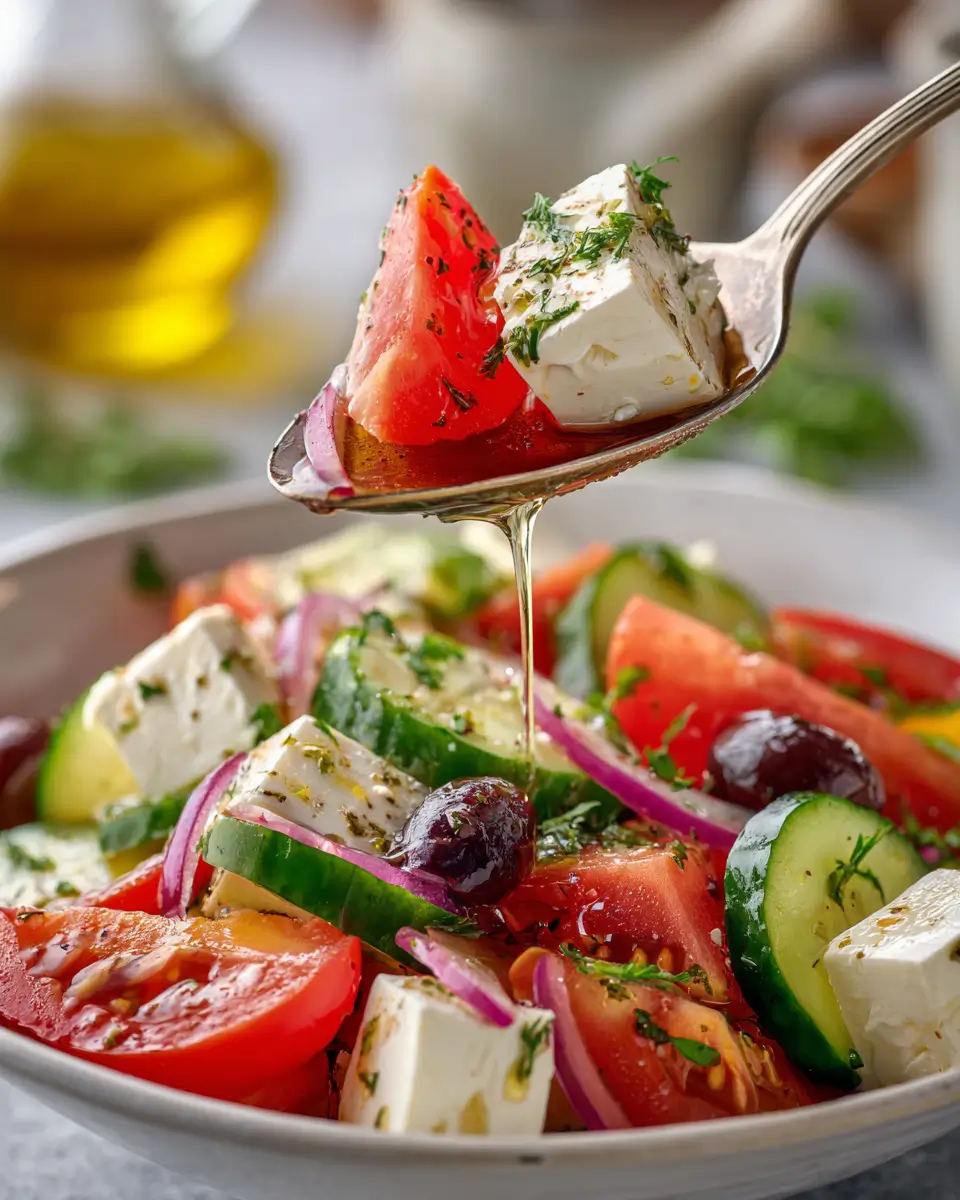
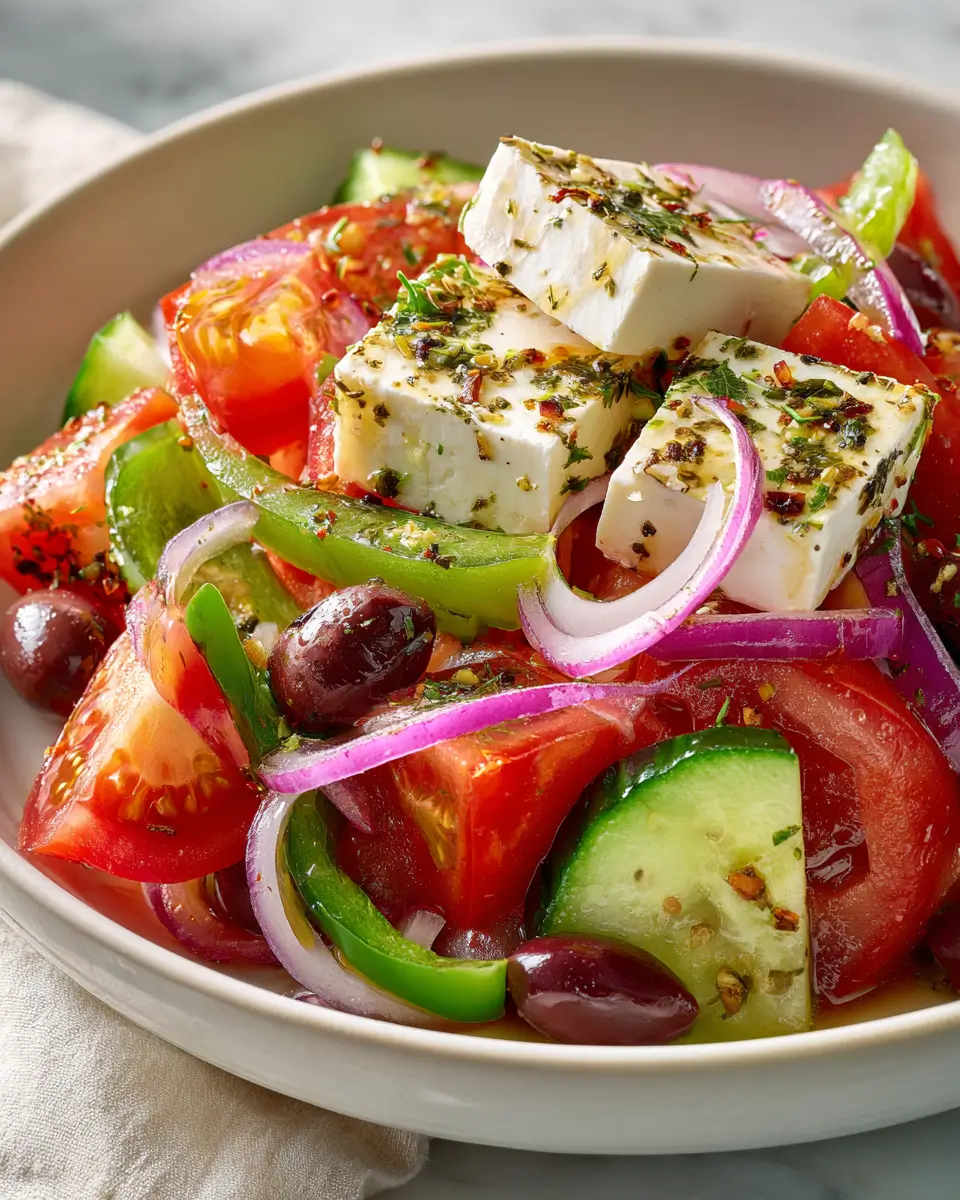
If there’s one salad I never get tired of making on busy nights, it’s a traditional greek salad recipe called Horiatiki that feels like it came straight from a little village taverna. I still remember the first time I tasted it in Greece. The plate looked so simple, but every bite was salty, crisp, and bright. When I came home, I made it over and over, figuring out how to keep it as authentic as possible without making it complicated. This version is the one I now throw together when I want dinner to feel fresh, effortless, and honestly a little bit like a mini vacation.
Traditional Greek Salad Recipe (Horiatiki)
Ingredients
- 4 medium ripe tomatoes cut into wedges or chunks
- 1 medium English cucumber sliced into half moons
- 1/2 to 1 red onion thinly sliced
- 1 medium green bell pepper seeded and sliced into rings or strips
- 1/2 cup Kalamata olives pitted or whole
- 200 g feta cheese block in brine, cut or broken into chunks
- 3 to 4 tablespoons extra virgin olive oil
- 1 to 2 tablespoons red wine vinegar
- 1 teaspoon dried oregano
- 1/2 teaspoon salt or to taste
- 1/4 teaspoon black pepper freshly ground
Instructions
- Slice the red onion into thin half moons. If desired, soak in ice water with a splash of red wine vinegar for a few minutes to mellow the flavor, then drain.
- Cut the tomatoes into bite-sized wedges or chunks and place them in a large bowl.
- Slice the cucumber into half moons and add to the bowl. If using a standard cucumber, peel it first.
- Add the sliced green bell pepper and drained red onion to the bowl.
- Scatter the Kalamata olives over the vegetables.
- Sprinkle oregano, salt, and black pepper evenly over the salad.
- Drizzle with extra virgin olive oil and red wine vinegar.
- Gently toss the salad to combine, being careful not to crush the tomatoes.
- Place large chunks or slices of feta cheese on top of the salad.
- Finish with an extra pinch of oregano over the feta and serve immediately.
Notes
Nutrition
Key takeaways
- Simple traditional greek salad recipe Horiatiki ready in minutes with no cooking.
- Fresh tomatoes, cucumber, onion, olives, and feta make it naturally satisfying.
- Easy greek salad dressing you can mix right in the bowl, no blender needed.
- Naturally Mediterranean and heart friendly when paired with balanced meals.
- Perfect side for grilled mains, or light lunch with bread on the side.
Why you’ll love this traditional greek salad recipe Horiatiki
This traditional greek salad recipe, also known as Horiatiki or Greek village salad, is built from ingredients you probably recognize, but the way they come together feels special. You get juicy tomato, crisp cucumber, briny olives, and creamy feta in every forkful. There is no heavy mayonnaise, no complicated steps, just layers of clean flavor that work any time of year.
It is also one of those recipes that feels fancy enough for guests but easy enough for a Wednesday. Once you slice the vegetables, the salad almost builds itself. The authentic greek salad style dressing is made right in the bowl, so there is no extra jar to wash. The result is a mediterranean greek salad that tastes bright, salty, and clean without much effort from you.
From a wellness point of view, this classic greek salad fits beautifully into a Mediterranean pattern of eating. The mix of vegetables, olive oil, and a moderate amount of cheese makes it naturally rich in fiber, healthy fats, and antioxidants. When I want something fresh that does not weigh me down, this best greek salad recipe is always my first thought.
Traditional greek salad recipe Horiatiki ingredients and why they matter
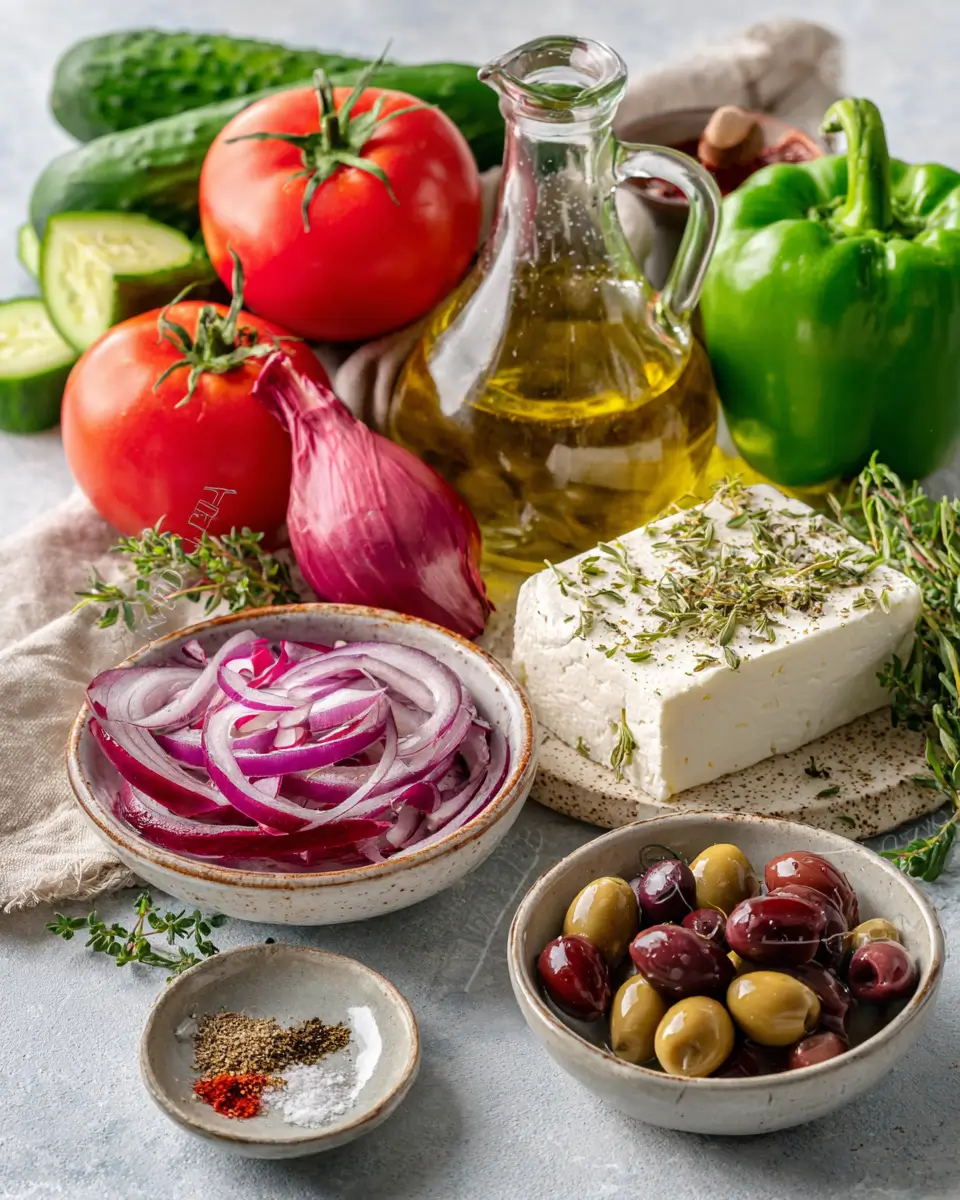
A real traditional greek salad recipe keeps the ingredient list short, so quality matters. In Greece this simple mix is known as Horiatiki, the village style greek salad that lets every ingredient shine. Here is what I use and why each piece earns its place in the bowl.
Tomatoes
Use ripe but still slightly firm tomatoes. Roma or vine ripened are perfect because they stay juicy without turning mushy. The tomato juice mixes with the olive oil and vinegar to create part of the greek salad dressing recipe right in the bowl.
Cucumber
I like English cucumber for this classic greek salad because the skin is tender and the flavor is mild. If you use a standard cucumber, peel it fully or in stripes to remove any waxy bitterness. The cucumber brings crunch and that refreshing bite you expect in any greek salad recipe.
Red onion
Thin slices of red onion add bite and color. If you are sensitive to strong onion flavor, you can soak the slices briefly in ice water with a splash of vinegar to mellow them. This small step can make the salad feel more balanced, especially if you are serving it to kids or onion cautious guests.
Green bell pepper
Traditional greek salad recipe Horiatiki usually uses green bell pepper instead of red or yellow. The flavor is slightly more earthy and sharp, which stands out against the sweet tomato and creamy feta. Slice it into thin rings or strips so you get a little in each bite without overpowering the salad.
Kalamata olives
Salty, briny olives are what turn a bowl of chopped vegetables into an authentic greek salad. I prefer pitted Kalamata olives for convenience, but you can use whole if you do not mind removing pits at the table. The olives bring depth and that unmistakable Mediterranean flavor.
Feta cheese
For the most authentic traditional greek salad recipe, choose a block of feta in brine rather than pre crumbled. Sheep’s milk feta has a rich, tangy flavor that holds together in thick slices. I like to break it into large chunks so it feels generous and satisfying.
Extra virgin olive oil
Good extra virgin olive oil is the heart of any mediterranean greek salad. It should taste fruity and a little peppery on its own. Since we are not cooking it, you really taste the difference here.
Red wine vinegar
Red wine vinegar gives the dressing just enough acidity to wake everything up. You only need a splash, but it makes the whole bowl taste brighter. If you ever run out, white wine vinegar or fresh lemon juice can work as a backup.
Dried oregano, salt, and pepper
Classic greek salad keeps the seasoning simple. Dried oregano adds warmth and a hint of earthiness. A pinch of salt draws out the juices from the tomato and cucumber. I also like a grind of black pepper at the end for a little gentle heat.
If you want to explore more fresh but hearty salads and sides, recipes like cowboy pasta salad and simple veggie pizza style ideas on myflavorrecipes.com pair beautifully with this traditional greek salad recipe Horiatiki.
Step by step traditional greek salad recipe Horiatiki instructions
The beauty of this traditional greek salad recipe Horiatiki is that everything happens in one big bowl. Here is exactly how I put it together in my kitchen.
First, prep the onion. Slice half to one small red onion into very thin half moons. If you want a softer flavor, place the slices in a bowl of ice water with a small splash of red wine vinegar while you prep the other vegetables. This takes the sharp edge off without losing the onion character.
Next, chop the tomatoes. Cut four medium ripe tomatoes into bite sized wedges or chunks. You want pieces large enough to stay juicy but small enough to eat comfortably with a fork. Add them to a large shallow bowl or platter.
Prepare the cucumber and pepper. Slice one medium English cucumber into half moons. If using a standard cucumber, peel it first. Seed and slice one green bell pepper into thin rings or strips. Add both to the bowl with the tomatoes.

Add the olives and drained onion. Drain the red onion slices if you soaked them and gently pat dry. Scatter them over the vegetables along with a generous handful of pitted Kalamata olives. At this point, the base of your greek salad recipe is ready for seasoning.
Season and dress. Sprinkle dried oregano, salt, and pepper evenly over the vegetables. Drizzle generously with extra virgin olive oil and add a splash or two of red wine vinegar. Use clean hands or a large spoon to toss very gently so you do not crush the tomatoes. You should see a light sheen of dressing on every piece.
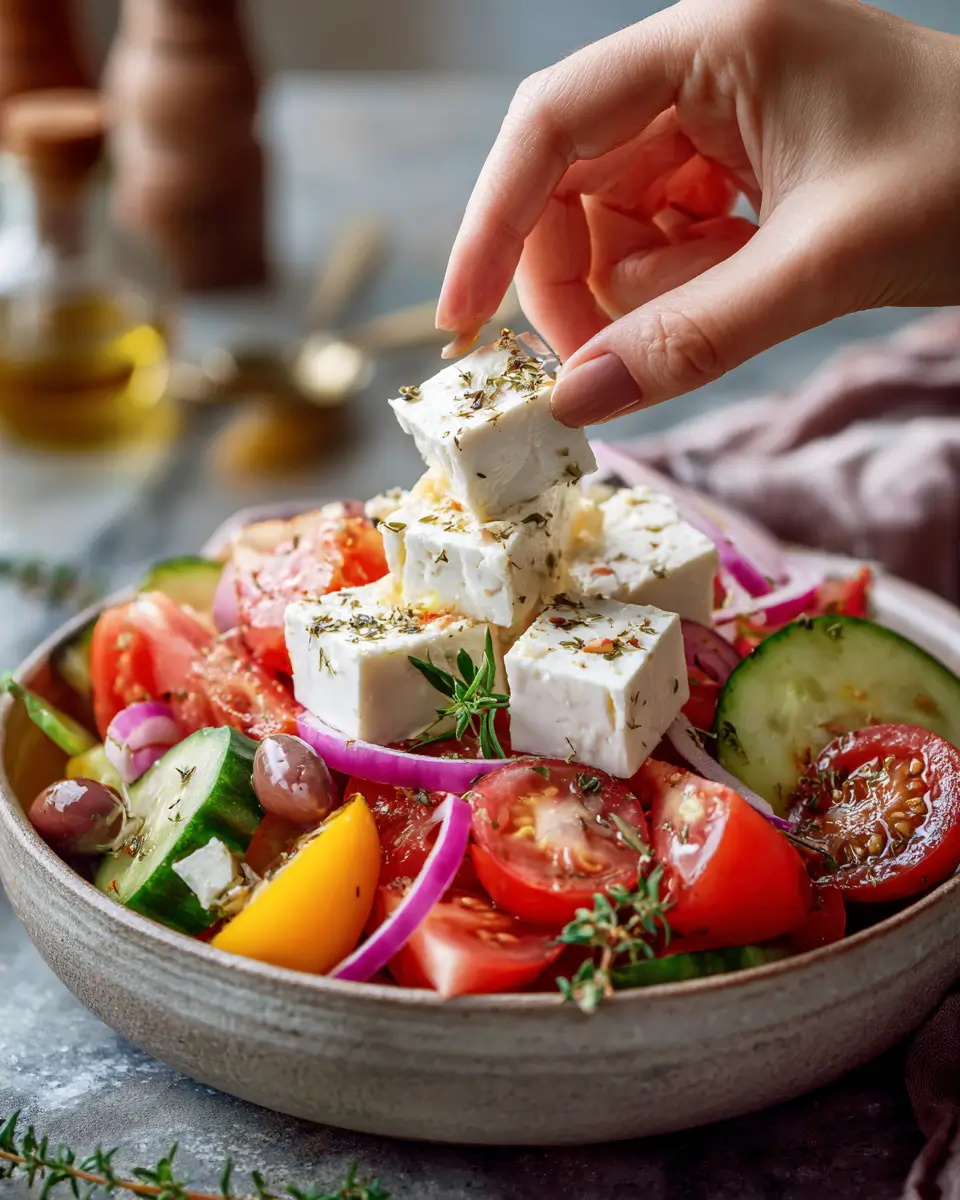
Finish with feta. Break your block of feta into large chunks or thick slices and lay them over the top of the salad instead of mixing them all the way in. Add a final pinch of oregano over the cheese. This is the moment when the traditional greek salad recipe Horiatiki really looks and feels like the real thing.
Serve right away or within a short time for best texture. The vegetables will release more juice as the salad rests, so it becomes even more flavorful, but still pleasantly crisp. I often serve this alongside grilled chicken, crusty bread, or a lighter drink like watermelon lemonade or detox lime drinks when I want a full Mediterranean inspired table.
Tips, variations, and storage for traditional greek salad recipe Horiatiki
Once you are comfortable with the base traditional greek salad recipe Horiatiki, there are a few tiny tweaks you can make without losing the spirit of the dish.
If you prefer a more classic greek salad dressing recipe texture, you can whisk the olive oil, red wine vinegar, oregano, salt, and pepper in a small bowl first, then pour it over the salad. The flavor is very similar, but the herbs distribute even more evenly.
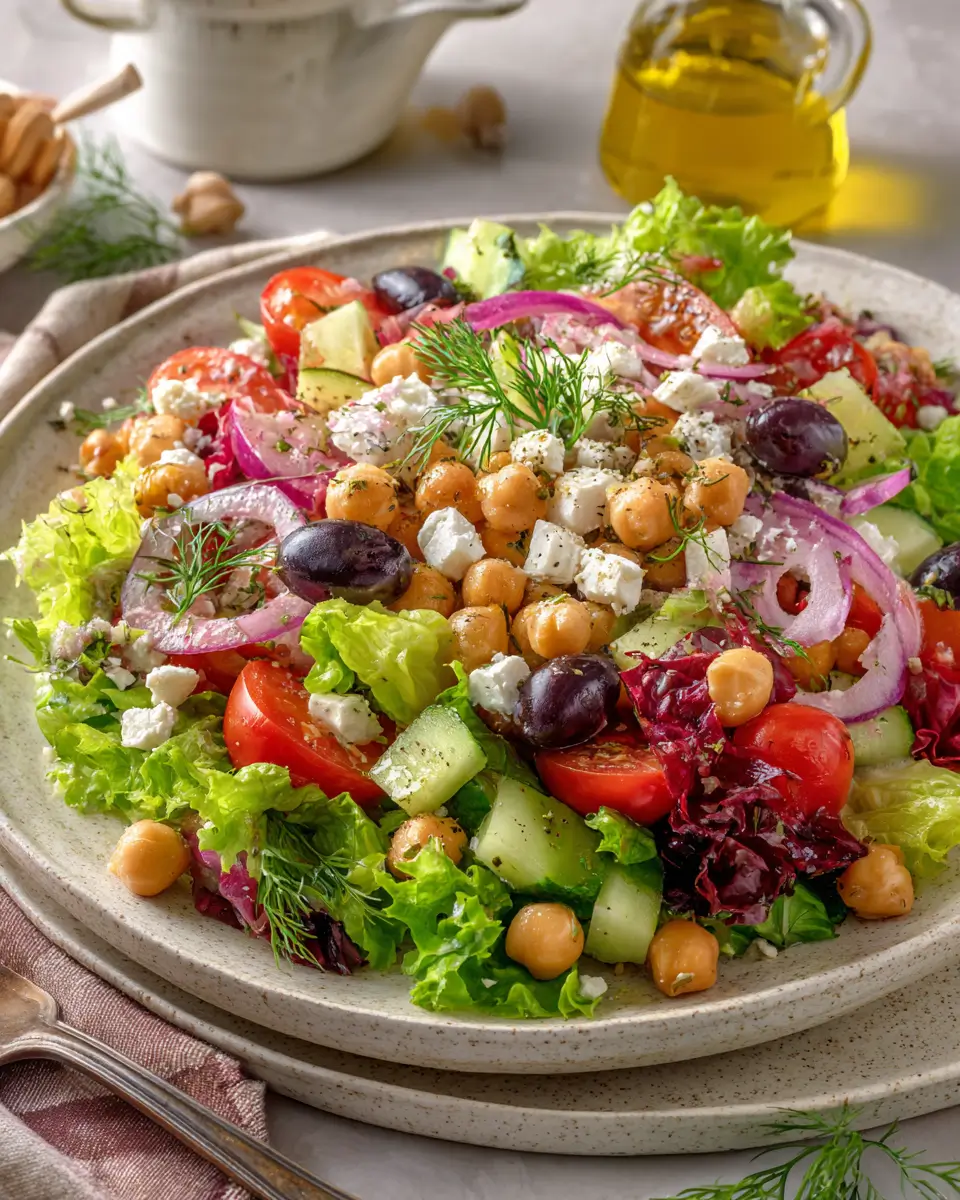
For a slightly more filling mediterranean greek salad, add a handful of cooked and cooled chickpeas or a few slices of grilled chicken on top. This edges the dish closer to a full meal while keeping all the flavors of an authentic greek salad.
If you enjoy greens, you can turn this into a traditional greek salad recipe with lettuce by adding a bed of crisp romaine under the classic vegetable mix. This is less traditional than true Horiatiki, but very popular in many home kitchens and restaurants. Just keep the lettuce leaves fairly large so they do not wilt too quickly.
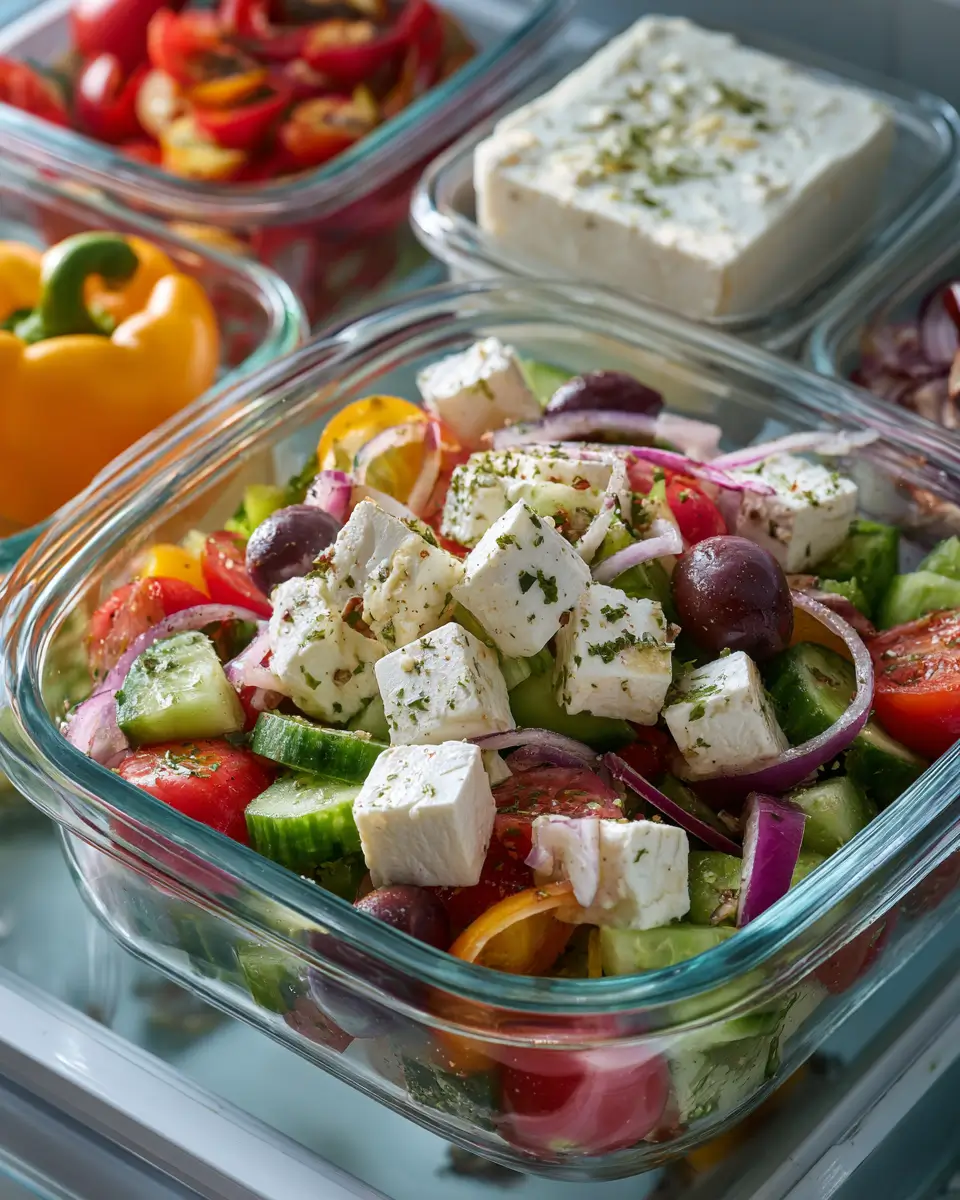
When it comes to storage, greek salad is at its best shortly after it is made. If you know you will have leftovers, keep the feta and dressing separate and add them fresh to each portion. Stored this way in the fridge, the vegetables can last about one day and still taste bright. Fully dressed salad with cheese mixed in will soften faster but is still enjoyable within the same day.
If you are in the mood for more light but flavorful dishes after this salad, desserts and snacks like citrus based treats or cottage cheese high protein recipes on myflavorrecipes.com balance really well with a meal built around fresh vegetables and olive oil.
Frequently asked questions
What is in a traditional Greek salad?
A traditional Greek salad, or Horiatiki, usually includes tomatoes, cucumber, red onion, green bell pepper, Kalamata olives, feta cheese, extra virgin olive oil, red wine vinegar, dried oregano, salt, and pepper. It does not rely on heavy creamy dressing or croutons. The ingredients are left in fairly large pieces so you can taste each one clearly.
What is the best salad for heart patients?
There is no single best salad for every heart patient, but a traditional greek salad recipe Horiatiki fits many heart healthy patterns when enjoyed as part of a balanced diet. It highlights vegetables, olive oil, and moderate amounts of cheese, which can align with Mediterranean style eating. For personal medical advice, though, it is always important to follow guidance from a health professional and resources from trusted heart health organizations.
Is Greek salad ok for diabetes?
Greek salad can often work well for people managing diabetes because it focuses on non starchy vegetables, healthy fats, and limited added sugars. The traditional greek salad recipe Horiatiki is naturally low in refined carbohydrates. Still, portion sizes, overall meal balance, and individual needs matter, so it is wise to pair it with guidance from an official diabetes resource or your care team.
Are salads good for lowering cholesterol?
Salads built from vegetables, healthy fats like olive oil, and fiber rich ingredients can support a cholesterol friendly eating pattern. A mediterranean greek salad built around vegetables and extra virgin olive oil can be a helpful part of that bigger picture. The key is what you eat across the whole day, not just one salad, so use this traditional greek salad recipe Horiatiki as one of several heart supportive choices.
Conclusion and gentle call to action
Whenever I need a reminder that simple food can still feel special, I come back to this traditional greek salad recipe Horiatiki. The chopping is easy, the ingredients are humble, yet the first bite always feels bright and alive. It is the kind of dish you can put on the table for family, friends, or just yourself and still feel like you did something good for your body and mood.
If you try this version, notice how the tomatoes, olives, and feta taste once they have sat in the olive oil and vinegar for a few minutes. Taste the salad, then adjust the seasoning to make it your own. When you find the balance you love, you will have a little village style greek salad recipe Horiatiki you can come back to all year long. And if you discover a twist that works beautifully in your kitchen, I hope you will carry it into your next meal and share it with someone you care about.
More Salad Recipes To Try Next
If you are in the mood to explore even more salad ideas after this traditional greek salad recipe Horiatiki, you can try a cool Creamy Cucumber Salad from myflavorrecipes.com or a bold Cebolla Ensalada Recipe for something a little different. For a nourishing twist, an Anti Inflammatory Sweet Potato Salad Recipe fits nicely into a Mediterranean inspired week. If you are curious about salad basics, you might enjoy reading about the 7 Basic Types Of Salads, a full Chicken Pasta Salad Guide, What Is An American Salad Made Of, What Are The 5 Basic Types Of Salads, or even a classic 1905 Salad Recipe Guide to round out your salad collection.
you can always find me sharing from my kitchen on Pinterest and over on Facebook.