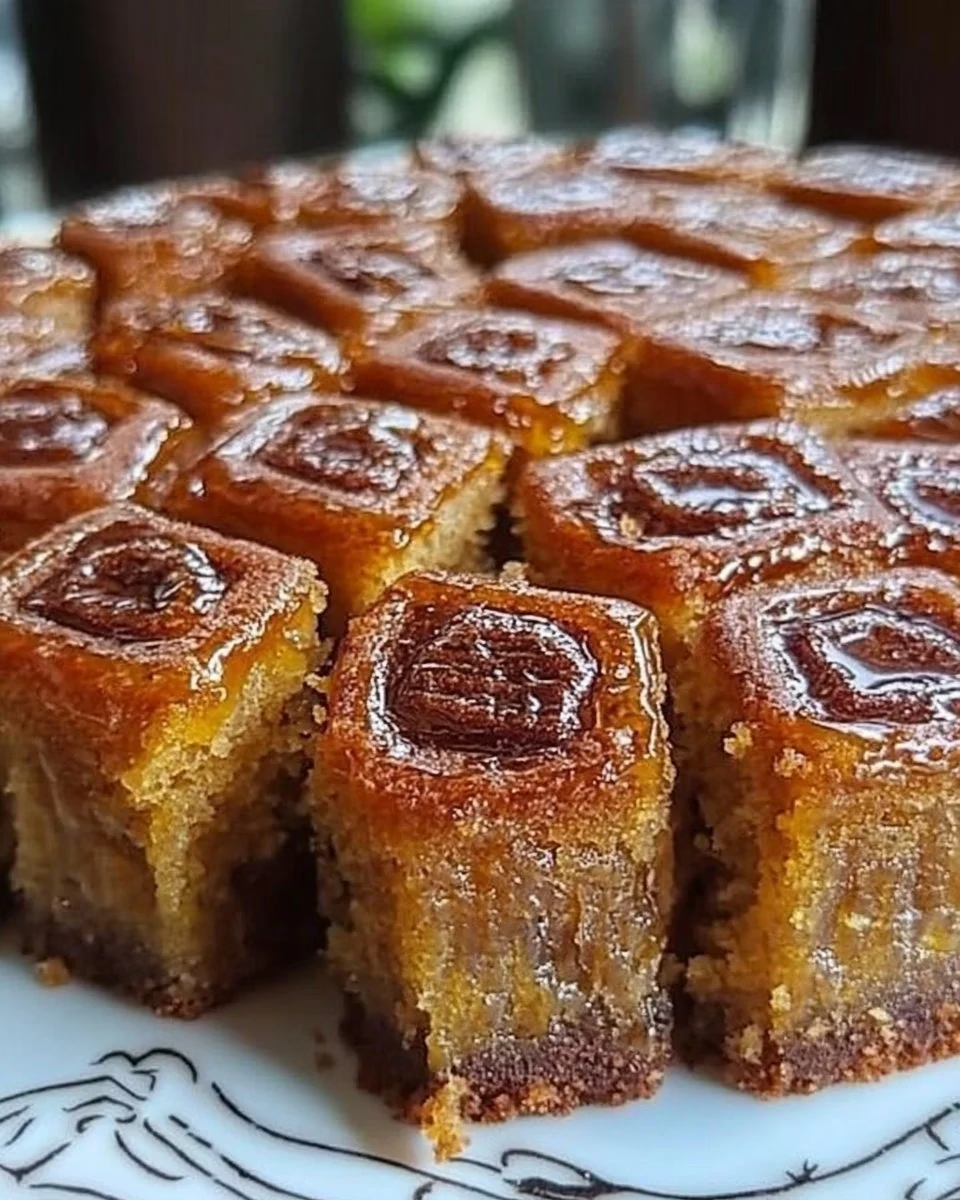
The oven timer dings as the honey scent unfurls through the kitchen, and for a moment the whole house feels wrapped in a warm memory. I picture small hands reaching for a slice, the quiet chatter of weekday dinners turning soft and slow, and the steady rhythm of stirring that somehow makes any hard day gentle. That is the kind of kitchen I cook in, and this Greek Honey Cake has that same hush and warmth—simple ingredients, honest flavor, and the kind of comfort that welcomes everyone back to the table. Here is a cake we made with a twist once, and it taught me how small changes can feel like new memories.
Why This Greek Honey Cake Still Feels Like Home
This cake is the one I turn to when I want something that tastes like a kind hand. It is not fussy. It does not demand special tools or rare spices. It asks only for honey, eggs, flour, and a little patience. The first time I made it, my mother was teaching me by the kitchen sink, and we measured with laughter and imperfect scoops. The flavor was modest and deep, sweet but not cloying, with a warmth that hummed of cinnamon and a hint of nutmeg.
What makes it feel like home is how it gathers people. A slice with a cup of coffee after church, a small square on the counter while homework gets done, a plate set aside for a visitor who arrived with tired eyes. These are the ways recipes become family. The cake is resilient. It travels well to potlucks, it sits patiently on the counter, and it gets better the next day as the honey and spices settle into one another. That slow melding is a kind of delicious patience, and it teaches me how food ties us to time.
Bringing Greek Honey Cake Together
“Every time I stir this pot, it smells just like Sunday at home.”
Making this cake is a gentle, steady process. First you mix the honey and yogurt until they sit together like old friends, glossy and warm. The batter thickens as the eggs fold in, and the scent of cinnamon rises. As you add the dry flour mixture, the batter takes on a comforting, slightly dusty look that promises softness after baking. The pan goes into the oven and you watch edges turn golden, waiting to hear the soft ping of a toothpick when the center is ready.
There is a rhythm to it. Stir. Fold. Pour. Breathe in the warm aroma. Each step is small, and each step matters. When you take it out, you will see a gentle dome, and the crust will be a tender gold. Let it cool until it is only slightly warm, and the cutting will be forgiving. Serve it with a cup of tea or a dollop of yogurt and watch conversations start. The cake is a companion in simple moments.
Ingredients You’ll Need
1 cup honey
1 cup plain yogurt
1/2 cup vegetable oil
3 large eggs
2 cups all-purpose flour
1 tsp baking powder
1 tsp baking soda
1 tsp ground cinnamon
1/2 tsp ground nutmeg
1/4 tsp salt
1/2 cup chopped walnuts or almonds (optional)
A little extra vanilla if you love a cozy aroma.
Fresh butter gives this its richness.
Step-by-Step Directions
-
Preheat your oven to 350°F (175°C). Grease and flour a cake pan.
Make sure the oven is fully warmed so the cake bakes evenly and rises with a soft top. Take a moment to line or grease your pan well. I like a light dusting of flour after the butter so the cake slips out easy. -
In a large bowl, whisk together the honey, yogurt, and vegetable oil until well combined.
Stir until glossy and smooth; the honey will loosen and the yogurt will make the mixture creamy. You will notice the shine and feel the weight of the honey loosen under the whisk. -
Add the eggs one at a time, mixing well after each addition.
Beat them in so the batter becomes airy and a touch lighter in color. The batter should look cohesive and move with a bit of spring when you lift the whisk. -
In another bowl, combine the flour, baking powder, baking soda, spices, and salt. Gradually add the dry ingredients to the wet mixture, stirring until just combined.
Fold with care so you do not overwork the batter; stir until you see no streaks of flour and the spices are evenly dotted through. The scent of cinnamon will rise as the flour mixes in. -
Fold in the nuts if using.
Gently fold them so they are scattered through the batter and do not sink to the bottom. The nuts add a pleasant crunch and a rustic feel, but the cake is lovely without them. -
Pour the batter into the prepared cake pan and smooth the top.
Tap the pan gently on the counter to settle the batter and release any air pockets. Smooth with a spatula and breathe in the warm spice notes before the oven warms things further. -
Bake for 30-35 minutes, or until a toothpick inserted into the center comes out clean.
Look for a golden edge and a soft, set top. You might press lightly and feel a gentle spring. Wait for the toothpick to come out clean to know it is done. -
Let cool before serving. Enjoy your delightful Greek Honey Cake!
Cool at least fifteen minutes so it firms for neat slices, or let it rest longer if you prefer a tender, almost pudding-like center. The aroma will linger and call everyone to the table.
How We Enjoy Greek Honey Cake at Home
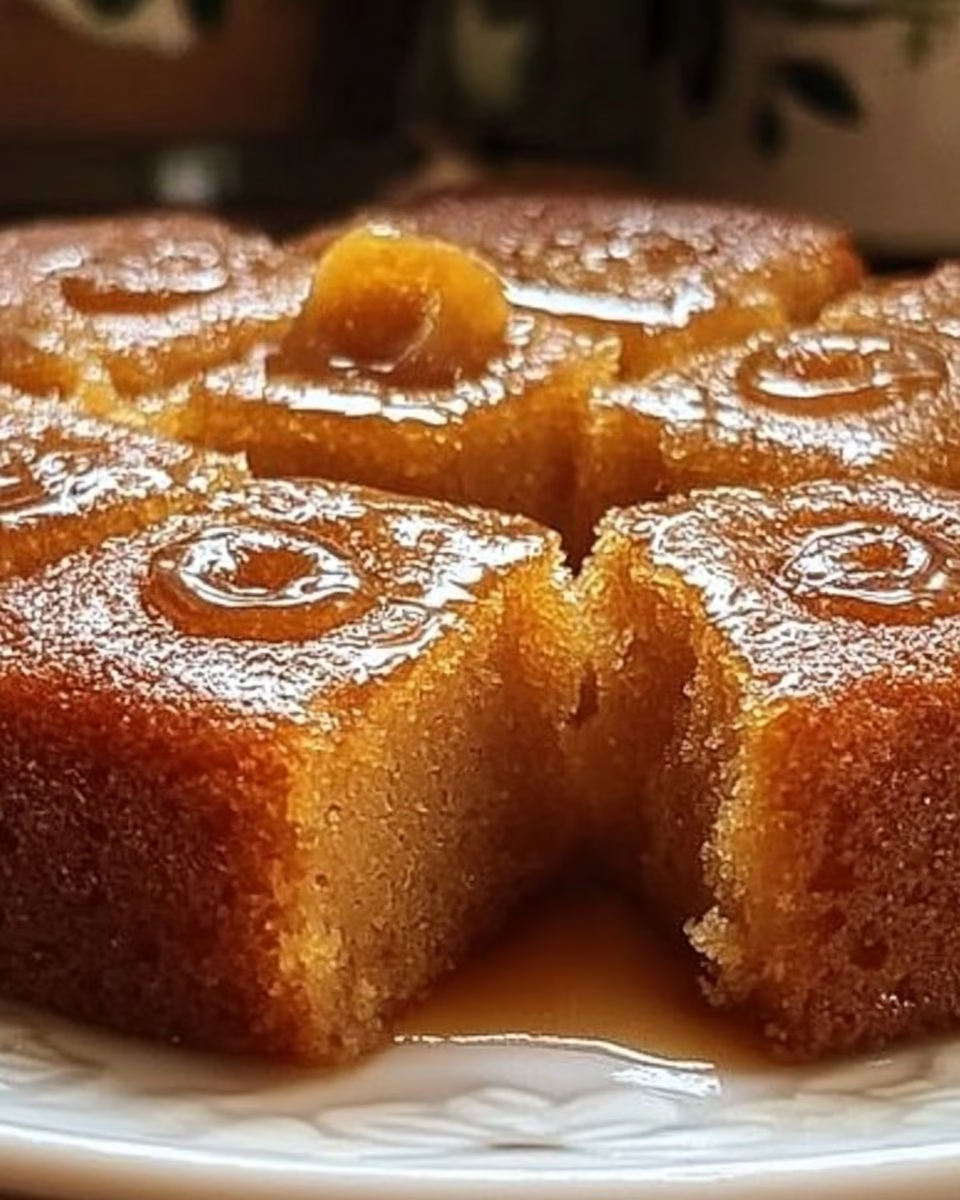
We slice this cake into modest pieces and set them on a small plate with simple sides. Sometimes it is the centerpiece of a lazy brunch with fruit and yogurt. Other times it is an after-school square that comes with stories of playground games and math tests. I love to warm a slice and add a spoonful of plain yogurt on top, letting the tang balance the honey sweetness.
For weekend company I might set the cake beside a pot of strong coffee and a small bowl of toasted nuts. The table feels casual, lived-in, and ready for chatter. On cool evenings, we pair it with a warm cup of tea and soft music. The cake does not demand fanfare; it fits perfectly into the little rituals that make a house a home. If you like, try a light dusting of cinnamon sugar or drizzle a bit more honey on top for an extra glossy shine.
In a pinch, I have taken this cake to potlucks and watched it disappear. It travels well because it keeps its shape and its flavor deepens over time. Leftovers, when there are any, make an excellent late-night snack. If you want a slightly richer version, spread a thin layer of softened butter on a slice and let it melt into the warm crumb.
Here is another favorite from our kitchen that plays with honey in a small cake form, a reminder that honey and butter are happy partners in many bakes. Try a cornbread cake with honey buttercream for a different kind of weekend treat.
Storing Greek Honey Cake for Tomorrow
Store this cake in an airtight container at room temperature for up to two days. The honey keeps the crumb moist and the spices continue to marry, giving the cake a deeper flavor by morning. If you plan to keep it longer, wrap it well and place it in the fridge for up to five days.
To reheat a slice, warm it gently in a low oven or microwave for a few seconds. A warm slice with a pat of butter or a spoonful of yogurt feels like a small comfort after a long day. If you prefer to freeze the cake, cut it into portions, wrap each piece in plastic, and freeze for up to two months. Thaw slowly in the fridge or at room temperature and bring back to warmth in a low oven before serving.
I find that the flavors mellow overnight and the cake becomes more cohesive. The texture may firm slightly, but the honey keeps it pleasantly moist. If you like a softer crumb the next day, give it a short warm-up and it will almost taste freshly baked.
Amelia’s Kitchen Notes
Know your honey. A mild wildflower or clover honey keeps the flavor gentle, while a darker honey gives a robust, almost caramel note. Use what you love and what makes you smile when you smell it.
If you do not have plain yogurt, thin sour cream with a splash of milk to reach a similar texture. The acidity of the yogurt works with the baking soda and gives a soft crumb.
Chop nuts by hand for a mix of sizes. Big pieces add a nice bite, while fine bits tuck into the cake and add a whisper of texture. Toast the nuts briefly for a deeper flavor, but do not let them burn.
Measure flour by spooning into the cup and leveling with a knife. Too much flour can make the cake dense. If you want a lighter cake, sift the flour before measuring and be gentle when folding.
Clean-up tip: use the same bowl for wet ingredients and save time by wiping the spatula into the batter. A bowl with the scent of honey feels like a small victory at the end of the day.
Family Variations on Greek Honey Cake
We sometimes fold in citrus zest for a bright lift. A teaspoon of orange or lemon zest wakes the honey and pairs nicely with the cinnamon. It is a small change that feels like sunshine.
For a nut-free home, stir in a cup of soft dried fruit such as chopped dates or apricots. The dried fruit gives little pockets of chewy sweetness and turns each slice into a small surprise.
If you want a more rustic, tea-cake feel, dust the top with powdered sugar and add a few toasted sesame seeds. The seeds add a subtle savory counterpoint, and powdered sugar gives a pretty finish for company.
For a festive twist, fold in a few tablespoons of tahini with the honey. It adds a gentle nuttiness without using actual nuts and makes the cake feel very Greek in spirit. The tahini makes the crumb richer and pairs beautifully with plain yogurt on the side.
If you like a syrup, warm a quarter cup of honey with a tablespoon of water and a squeeze of lemon. Brush it over the hot cake as it cools for an extra glossy finish and a slight tang.
FAQs About Greek Honey Cake
Can I make this ahead of time?
Yes, and honestly, it might taste even better the next day once the flavors have settled together. Store it covered at room temperature and slice when you are ready to serve.
Can I make this gluten-free?
Yes, with a good gluten-free flour blend designed for baking. Make sure the blend contains xanthan gum or add a small amount to mimic the structure of wheat flour. The texture will be a touch different but still comforting.
What if I only have cider vinegar instead of yogurt?
You can make a quick buttermilk by mixing a cup of milk with a tablespoon of cider vinegar and letting it sit for five minutes. It will give you the acidity needed for the baking soda to react and help the cake rise.
Can I halve the recipe?
Yes, this recipe scales down well. Use a smaller pan and check the cake a few minutes earlier for doneness. A toothpick test works perfectly.
How do I know when it is done?
The edges will turn golden and pull slightly from the pan. A toothpick in the center should come out clean, and the top should spring back when pressed gently.
The Simple Process Behind It
There is a calm honesty to this cake. It does not hide behind complicated steps. You whisk, fold, and bake. The smells are a reward in themselves: the warmth of honey mixing with cinnamon, the faint nutty note if you add walnuts, and the cozy hum of an oven doing its slow work. The tools you need are familiar—a whisk, a spatula, a bowl, and a pan. That simplicity makes it perfect for a beginner who wants to learn the feel of batter, and for a seasoned cook who loves recipes that depend on good ingredients and a steady hand.
Take time to notice texture. When the batter is smooth and glossy, you know it is ready for the oven. When the top feels just firm and the edges are golden, you know the cake will hold a neat slice. These small signs are what kitchen confidence is made of. Trust them. Trust the smell of the honey when it warms. Trust the soft spring of the cake when you press the center lightly.
A Warm Note From My Kitchen
I hope this cake becomes one of those small traditions in your home. Maybe it will be the treat you bring to a neighbor, the thing you cut into for an impromptu coffee, or the quiet dessert on a weeknight. Baking it asks for nothing dramatic, only a few shared moments where the world slows and the kitchen becomes a place of calm.
If you have children, invite them to measure or sprinkle the nuts. The act of making together is part of the memory. If you bake it for someone who needs comfort, wrap a piece in parchment and tuck a note beside it. Food is kindness that you can hold.
Conclusion
A little cake like this can stitch ordinary days into something softer and warmer. If you would like to see another version or match this with a tested recipe, take a look at this Greek Honey Cake Recipe.
Greek Honey Cake
Ingredients
Wet Ingredients
- 1 cup honey Use a mild honey for a gentle flavor.
- 1 cup plain yogurt Can substitute with thin sour cream.
- 1/2 cup vegetable oil Provides moistness to the cake.
- 3 large eggs Add eggs one at a time.
Dry Ingredients
- 2 cups all-purpose flour Measure carefully to avoid a dense cake.
- 1 tsp baking powder
- 1 tsp baking soda
- 1 tsp ground cinnamon Adds warmth and flavor.
- 1/2 tsp ground nutmeg Enhances the spice profile.
- 1/4 tsp salt
- 1/2 cup chopped walnuts or almonds Optional for added texture.
- 1 tsp vanilla extract For a cozy aroma.
Instructions
Preparation
- Preheat your oven to 350°F (175°C). Grease and flour a cake pan.
- In a large bowl, whisk together the honey, yogurt, and vegetable oil until well combined.
- Add the eggs one at a time, mixing well after each addition.
- In another bowl, combine the flour, baking powder, baking soda, cinnamon, nutmeg, and salt. Gradually add the dry ingredients to the wet mixture, stirring until just combined.
- Fold in the nuts if using.
- Pour the batter into the prepared cake pan and smooth the top.
Baking
- Bake for 30-35 minutes, or until a toothpick inserted into the center comes out clean.
- Let cool before serving.