I made my first real batch of ginger turmeric broth on a rainy Thursday when I was coming down with something and had absolutely no energy to cook. I had ginger in the fridge, turmeric in the cupboard, and a head full of congestion. I threw everything into a pot, let it simmer for about forty-five minutes, and poured myself a big mug. Within twenty minutes I felt the heat moving through my chest, the kind of warmth that actually does something.
My nose cleared. My shoulders dropped. I made another mug before bed. I have been making this broth every few weeks since, whether I am sick or not, because it turns out my body just really likes it.
This recipe from myflavorrecipes.com is inspired by traditional healing broths that combine the anti-inflammatory power of fresh ginger and ground turmeric with aromatics like garlic, lemongrass, and black pepper. It is vegan, gluten-free, and incredibly adaptable. You can sip it plain from a mug, ladle it over noodles for a full meal, or freeze it in batches for the next time you need something warm and nourishing fast.
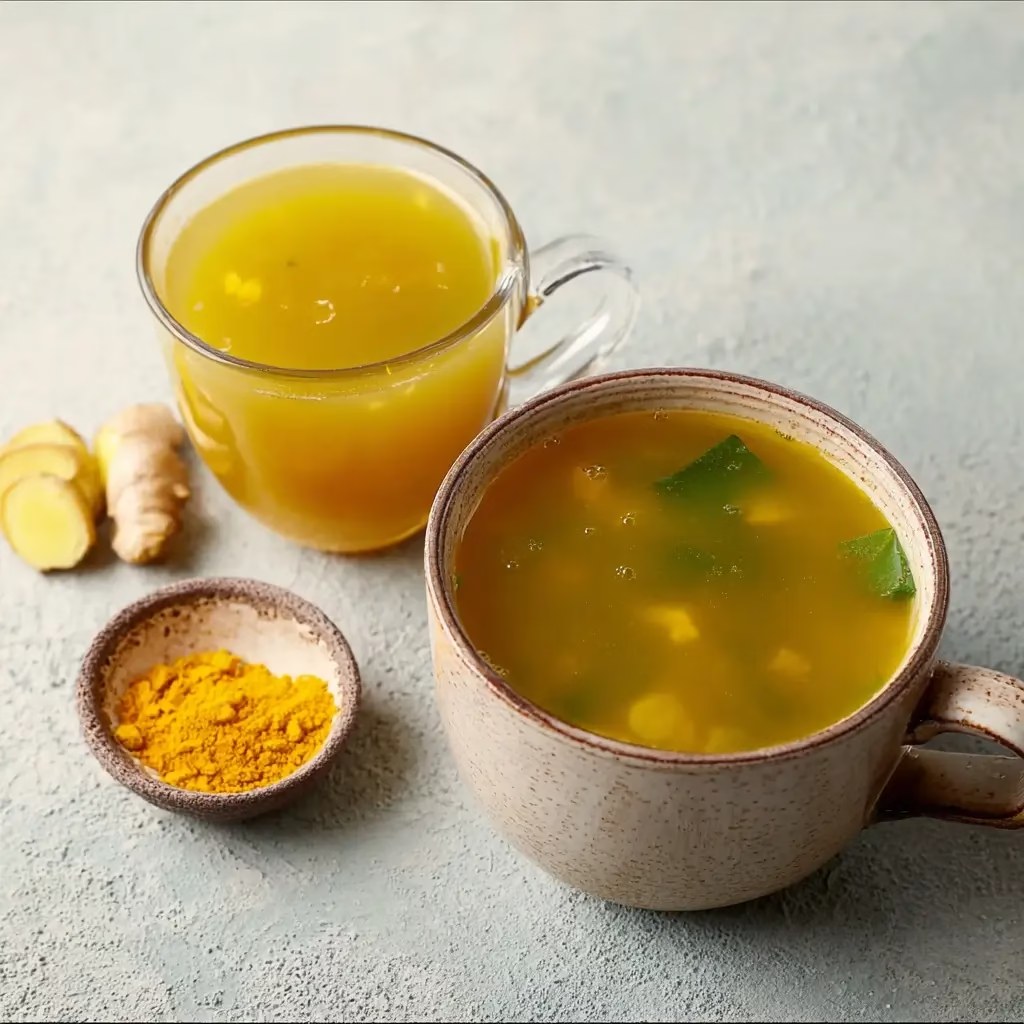
Ginger Turmeric Broth
Ingredients
- 1 tablespoon neutral oil such as coconut oil or olive oil
- 1 shallot, finely chopped
- 60 grams fresh ginger root, peeled and finely chopped
- 3 cloves garlic, minced
- 1 fresh red chili, finely sliced or chili flakes to taste
- 1 stalk lemongrass, finely chopped tough outer layers removed
- 2 teaspoons ground turmeric
- 3 black peppercorns
- 6 cups water or vegetable stock
- 1 vegetable stock cube optional
- 1 lime, juiced
- 1 cup full-fat coconut milk optional for a richer broth
- sea salt to taste
Instructions
- Finely chop the shallot, ginger, garlic, chili, and lemongrass so they cook evenly and release maximum flavor.
- Heat the oil in a heavy-bottomed pot over medium-low heat.
- Add the chopped shallot, ginger, garlic, chili, and lemongrass to the pot. Cook slowly for about 5 minutes, stirring frequently, until softened and aromatic.
- Stir in the ground turmeric and whole peppercorns. Cook for about 30 seconds while stirring constantly to toast the spice and deepen the flavor.
- Pour in the water or vegetable stock and add the stock cube if using. Bring the mixture to a gentle boil.
- Reduce the heat and let the broth simmer gently for 45 minutes to extract the flavors from the aromatics.
- Taste the broth and season with sea salt as needed. Stir in the lime juice to brighten the flavor.
- If using coconut milk, stir it into the broth and heat gently for 2–3 minutes until warmed through.
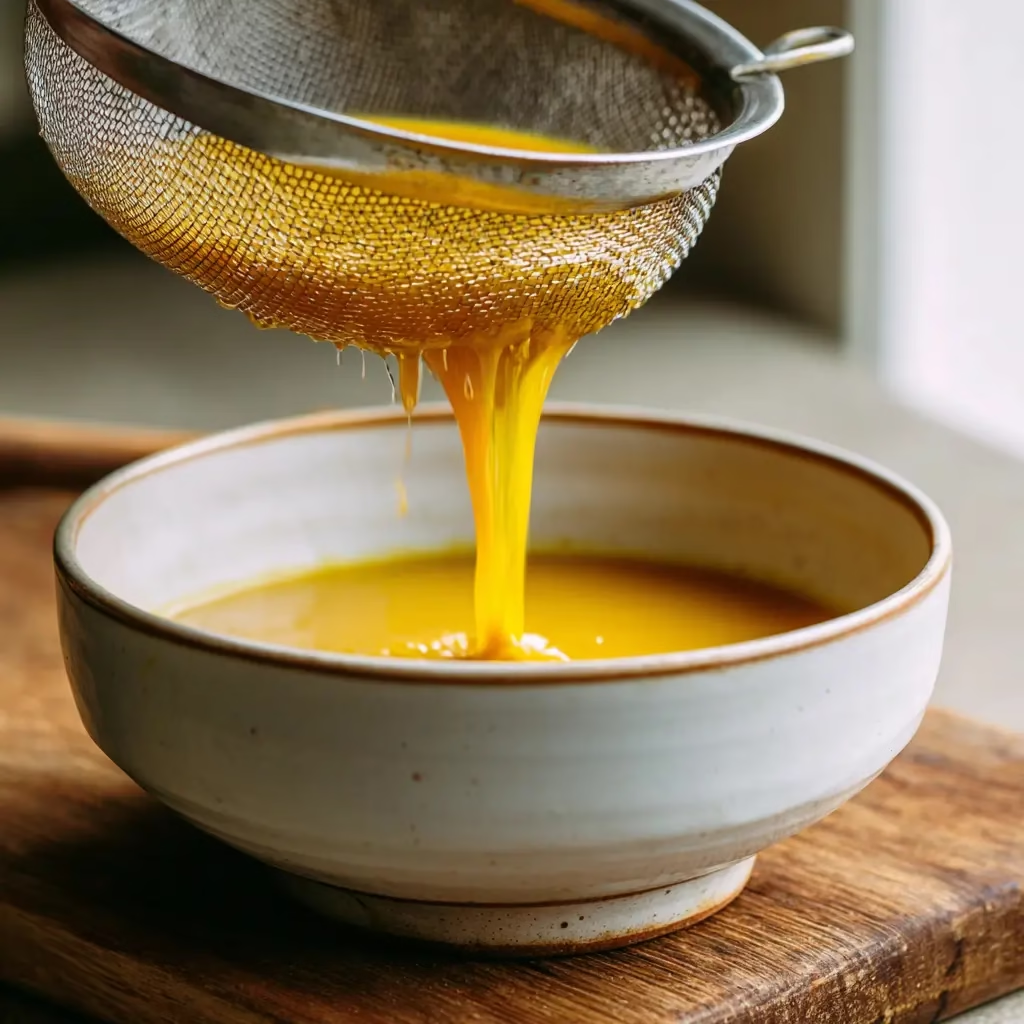
- Strain the broth through a fine mesh sieve for a clear broth, or leave the solids in for a more rustic texture.
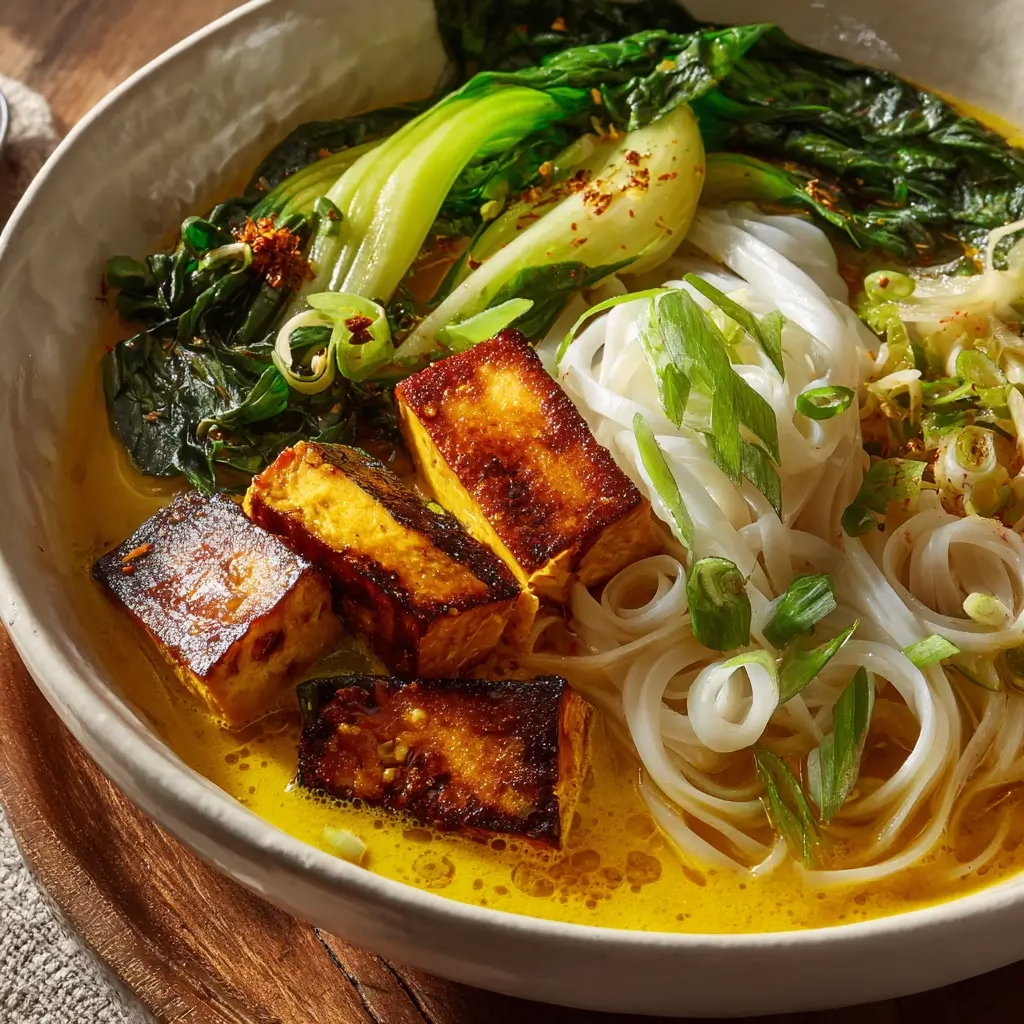
- Serve hot in mugs as a warming drink or ladle over noodles, tofu, and vegetables for a nourishing meal.
Notes
Nutrition
Key Takeaways: Ginger Turmeric Broth
- Ginger turmeric broth is one of the most anti-inflammatory things you can make at home, and it takes less than an hour from start to finish.
- Fresh ginger, ground turmeric, garlic, and black pepper are the four ingredients doing most of the healing work here. The rest is flavor and body.
- This broth works as a light standalone drink, a noodle soup base, or a warming tonic when you are under the weather.
- You can make it vegan, add chicken or tofu, thin it out or thicken it with coconut milk depending on what you need that day.
- It stores well in the fridge for four to five days and freezes beautifully for up to three months.
Why You Will Love This Ginger Turmeric Broth Recipe
There is a reason people have been making some version of ginger turmeric broth across Asia, the Middle East, and South America for centuries. Long before wellness culture gave it a trendy name, this kind of warming, aromatic broth was what you made when someone in the house was sick, tired, or just needed something real to eat. It works because the ingredients work, and they have been working for a very long time.
The ginger turmeric broth benefits are genuinely significant. Ginger contains gingerols, active compounds with well-documented antimicrobial and anti-inflammatory effects. Turmeric brings curcumin, one of the most studied plant-based anti-inflammatory compounds available. Garlic adds allicin, a natural immune-supporting compound that is most potent when the garlic is fresh and freshly crushed. Black pepper, which might seem like a minor addition, actually contains piperine, a compound that increases curcumin absorption by up to 2000 percent. These four ingredients together are not just flavorful. They are genuinely functional.
Unlike a slow-simmered bone broth with ginger and turmeric that takes twelve to twenty-four hours, this broth is ready in under an hour. It is a weeknight recipe, not a weekend project. And it is flexible in a way that makes it useful again and again. Add noodles and bok choi and it is dinner. Pour it into a mug with a squeeze of lime and it is a tonic. Freeze it flat in zip-lock bags and you have instant comfort food ready whenever you need it.
If you enjoy warming drinks and healing recipes like this one, our golden latte recipe and detox lime drinks are two more ways to use anti-inflammatory ingredients you probably already have in your kitchen.
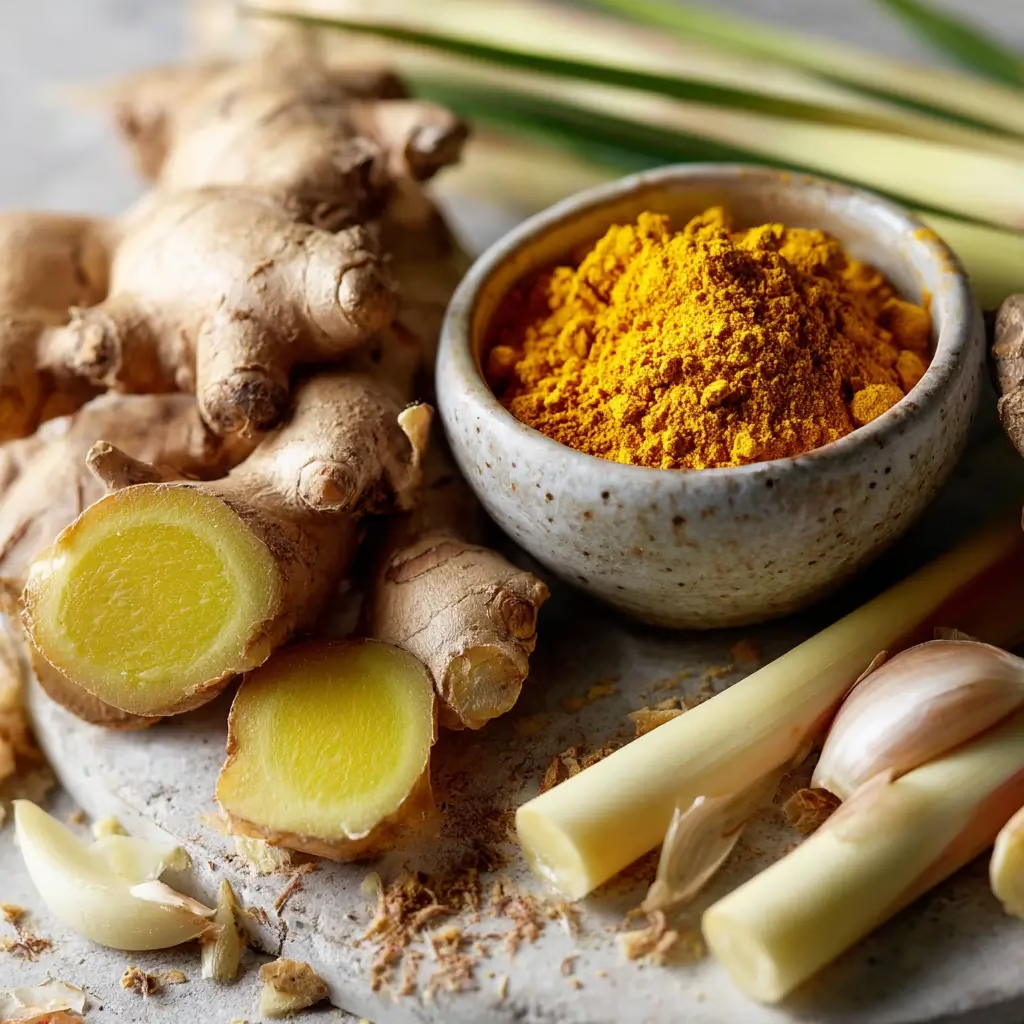
Ginger Turmeric Broth Ingredients and Why Each One Matters
This broth has a short ingredient list, but every item has a purpose. Understanding what each one does makes you a more confident cook and helps you adapt the recipe when something is missing.
Fresh ginger root is the backbone of this broth. You need about 60 grams, peeled and finely chopped or minced. Fresh ginger has a bright, almost citrusy heat that dried ginger powder simply cannot replicate. The gingerols in fresh ginger are most potent and bioavailable when the root is raw or lightly cooked. According to Medical News Today, regular consumption of fresh ginger has been linked to reduced inflammation, improved digestion, and stronger immune response. Do not substitute dried ginger here. It is a completely different ingredient for this purpose.
Ground turmeric gives the broth its deep golden color and most of its anti-inflammatory properties. Two teaspoons is the right amount for this recipe. More than that and the broth can turn slightly bitter, which is a mistake worth avoiding. If you have fresh turmeric root and want to use it instead, grate it finely and start with the same quantity, then adjust to taste.
Garlic is non-negotiable. Three large cloves, finely chopped or minced, add depth of flavor and serious immune-supporting compounds. Use fresh garlic always. Pre-minced jarred garlic has already lost most of its allicin content by the time you open the jar. Fresh makes a real difference in both flavor and nutritional value.
Lemongrass adds a floral, citrusy note that makes this broth feel distinctly Southeast Asian rather than just spicy. Discard the tough outer leaves and use only the softer inner stalk. If you cannot find fresh lemongrass, a small piece of lemon zest and a tiny splash of lime juice at the end can approximate the brightness, though the flavor will be different.
Black peppercorns look like a background ingredient but are actually doing something important. The piperine they contain dramatically increases the absorption of curcumin from the turmeric. Do not skip them. Three whole peppercorns are all you need.
Coconut milk or coconut cream is optional but genuinely lovely. Adding a cup of full-fat coconut milk at the end gives the broth more body, rounds out the heat from the ginger and chilli, and makes the whole thing feel like a more substantial meal. Skip it if you want a clearer, lighter broth. Keep it if you want something richer and more comforting.
Chilli, whether fresh sliced red chilli or dried flakes, adds heat that complements the ginger beautifully. Adjust to your preference. The heat level in this broth can range from gently warming to properly fiery depending on how much you add.
A note on the broth base: water works perfectly well here, especially if you add a quality stock cube. But if you happen to have vegetable scraps in the fridge, throwing them in during the simmer, carrots, celery, fennel ends, a dried mushroom, adds a quiet depth that makes the finished broth noticeably more complex.
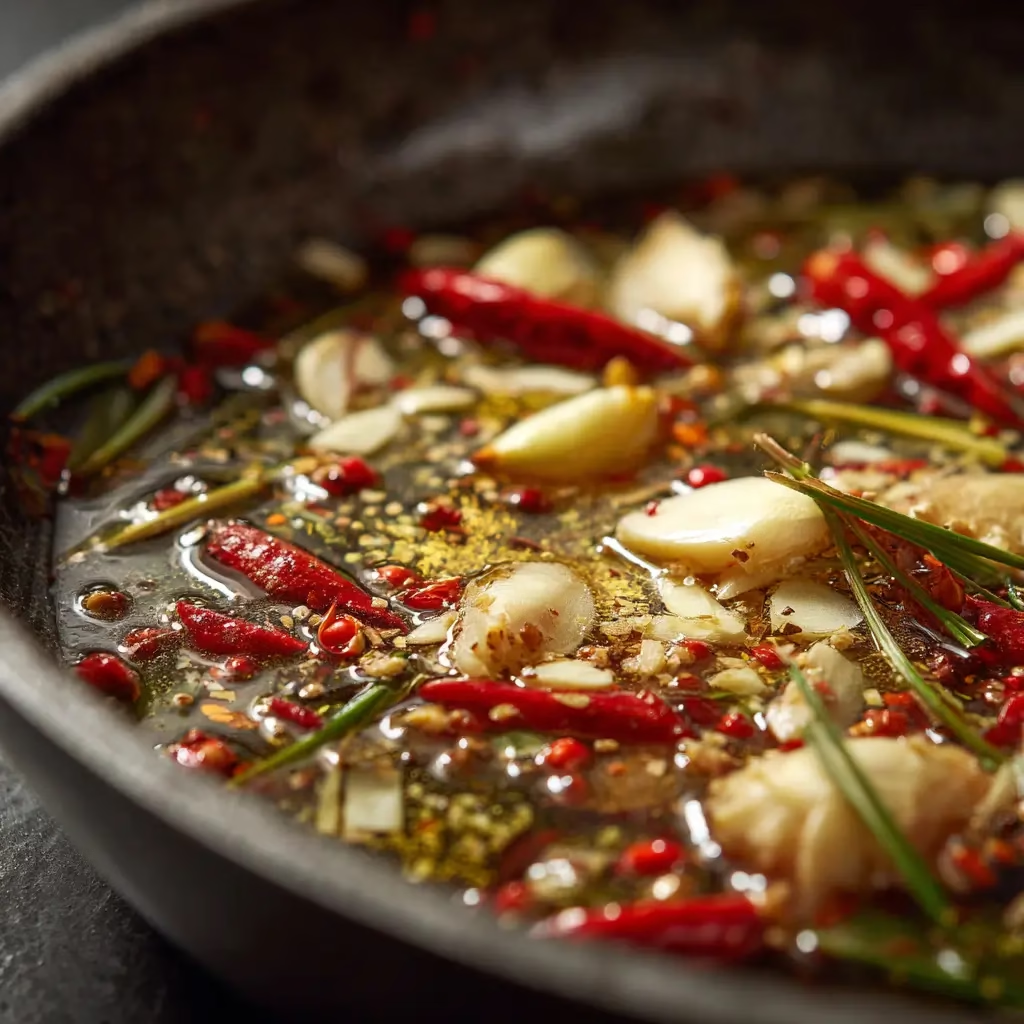
How to Make Ginger Turmeric Broth Step by Step
This is a genuinely approachable recipe. The most important part is the first five minutes, where you cook the aromatics low and slow. Everything after that is mostly patience and a gentle simmer. Here is exactly how Amelia makes it at myflavorrecipes.com.
Step 1: Prep your aromatics. Finely chop the shallot, ginger, garlic, chilli, and lemongrass. You want everything roughly the same small size so it cooks evenly. If chopping that much feels like a lot, a small food processor or herb chopper does the job in about thirty seconds. The finer the mince, the more flavor releases into the broth.
Step 2: Cook the aromatics low and slow. Heat the oil in a heavy-bottomed pot over medium-low heat. Add all the chopped aromatics at once and stir frequently for about five minutes until everything has softened and the kitchen smells extraordinary. Keep the heat low. This step is building the entire flavor base of your ginger turmeric broth, and burnt garlic will make the whole thing bitter. If anything starts to color before the five minutes is up, drop the heat immediately.
Step 3: Toast the turmeric. Add the ground turmeric and peppercorns to the pot and stir constantly for about thirty seconds. The turmeric will coat everything in a vivid golden color. Toasting the spice briefly in the oil deepens its flavor and improves the bioavailability of its active compounds. Low flame, constant stirring, thirty seconds maximum before you add liquid.
Step 4: Add the liquid and simmer. Pour in the water or stock, add the stock cube if using, and bring everything to a gentle boil. Reduce to a low simmer and let it go for forty-five minutes. If you have any vegetable scraps available, throw them in now. A carrot end, a celery stick, a dried mushroom, even a wedge of fennel, all of these add quiet depth without any extra effort.
Step 5: Season and finish. After forty-five minutes, taste the broth. Add sea salt until it tastes right and squeeze in the juice of one lime. The lime lifts everything and brings a brightness that balances the earthiness of the turmeric. If you want a richer, creamier result, stir in the coconut milk now and heat gently for two to three more minutes.
Step 6: Strain or serve as is. For a clear, restaurant-style broth, strain through a fine mesh sieve. For a more textured, rustic result, leave the solids in. Ladle over cooked noodles and your chosen toppings for a full meal, or pour into a mug for a warming tonic. A pinch of extra sea salt and another squeeze of lime right in the cup makes all the difference.
Ginger Turmeric Broth Tips, Variations and Storage
A few things worth knowing from real experience making this regularly.
Do not rush the aromatics. Five minutes of low, slow cooking is what builds the base flavor of this broth. If you cook them on high heat to save time, you risk burning the garlic, and burnt garlic makes the entire pot taste bitter. Take the five minutes. It makes a big difference.
Turmeric quantity matters. Two teaspoons is the right amount for this recipe. Going over that threshold is one of the most common mistakes with this broth, and it leads to a slightly bitter, harsh aftertaste. Start at two teaspoons. If you want more turmeric flavor in future batches, add a quarter teaspoon more at a time until you find your sweet spot.
Make it a full meal. The broth on its own is deeply satisfying as a warm drink, but it becomes a complete dinner with very little effort. Cook your noodles separately and place them in a warmed bowl. Add stir-fried or steamed bok choi, a few pieces of baked tofu, and ladle the hot broth over everything. Top with fresh coriander, sliced spring onions, and a little fresh chilli. This is one of those meals that looks like it took much longer than it did.
Make it non-vegan if you prefer. Replace the vegetable stock with a good quality chicken stock, or add a leftover chicken carcass to the pot during the simmer for a collagen-rich version that is closer to a traditional turmeric ginger chicken bone broth recipe. The flavor deepens significantly and the broth develops that silky, slightly gelatinous texture that makes it genuinely nourishing for gut health and joints.
Freeze it in portions. This broth is one of the best things to have in your freezer. Pour cooled broth into silicone ice cube trays for quick single-serving additions to soups and sauces, or freeze flat in zip-lock bags for full portions. It keeps for three months and reheats beautifully on the stovetop. If you enjoy making nourishing drinks and wellness recipes ahead of time, our raspberry lemonade electrolyte gummies and Jillian Michaels gelatin drink are two more batch-friendly wellness recipes worth saving.
Blend it for a silky texture. Several readers have reported blending the broth before straining it, which creates an incredibly silky, creamy result that works beautifully as a soup base. If you go this route, let the broth cool slightly before blending and strain afterwards for the smoothest finish.
Warm up your bowls. Place your serving bowls in a low oven at around 100 degrees Celsius for a few minutes before serving. Hot soup in a cold bowl loses heat fast, and a warmed bowl keeps everything at the right temperature for much longer. A small detail that makes a real difference in how the meal feels.
Ginger Turmeric Broth: Frequently Asked Questions
Is bone broth with ginger and turmeric good for you?
Yes, genuinely so. Whether you make a fast stovetop ginger turmeric broth like this one or a long-simmered bone broth with ginger and turmeric, the core benefits are significant. The ginger provides gingerols with proven anti-inflammatory and antimicrobial properties. The turmeric delivers curcumin, one of the most studied plant compounds for reducing chronic inflammation. A bone-based version also contributes collagen, gelatin, glycine, and minerals like calcium and magnesium that support gut lining integrity, joint health, and skin elasticity.
Research published by the Healthline Nutrition team confirms that regularly consuming bone broth with anti-inflammatory spices like ginger and turmeric can meaningfully support digestive health, immune function, and joint comfort over time. Even a plant-based version of this broth delivers real functional benefits from the spices alone.
What not to mix with ginger and turmeric?
In cooking, the main things to avoid are excessive quantities of either spice, which can cause bitterness, and pre-processed or jarred versions of ginger, which have lost most of their active compounds. Beyond the kitchen, if you are on blood-thinning medication such as warfarin, speak with your doctor before consuming large daily amounts of turmeric, as curcumin has mild blood-thinning effects at higher doses. Dairy can also slightly reduce curcumin absorption, which is one reason this ginger turmeric broth is typically served with coconut milk rather than cream. For most healthy people, the quantities used in everyday cooking are completely safe and genuinely beneficial.
Is bone broth good for female fertility?
It is not a direct fertility treatment, but a well-made broth is a genuinely nourishing food for reproductive health. The collagen and gelatin from a bone-based version support tissue health throughout the body including the uterine lining. The glycine content supports liver detoxification, which plays a role in healthy hormone regulation. Minerals including zinc and magnesium, both present in good bone broth, are important for hormonal balance and egg quality.
Many nutrition practitioners recommend bone broth as part of a broader whole-food approach to supporting fertility. The spices in this ginger turmeric broth, particularly turmeric, also have anti-inflammatory properties that may support overall hormonal health. If fertility is a concern for you, this is a safe, gentle, and genuinely nourishing addition to a balanced daily diet.
What bone broth is best for IBS?
For IBS, homemade ginger turmeric broth or a slow-simmered bone-based version is usually the best choice because you control every ingredient. The gelatin in bone broth helps coat and soothe the intestinal lining, reducing sensitivity and discomfort.
Fresh ginger has well-documented gut-calming effects and helps regulate motility. Turmeric reduces intestinal inflammation.
Among commercial options, Butcher’s bone broth ginger and turmeric, Kettle and Fire bone broth, and Roli Roti ginger and turmeric bone broth tend to have cleaner ingredient lists than many mass-market broths and are reasonable choices when homemade is not practical. Start with a small cup per day and increase gradually. Most people with IBS find that warm broth, especially with ginger, is one of the most tolerable and soothing things they can consume during a flare.

Ready to Make Ginger Turmeric Broth This Week?
This ginger turmeric broth is the kind of recipe that earns a permanent spot in your rotation, not because it is complicated or impressive, but because it is genuinely useful. It is the thing you make when you feel a cold coming on, when you want something warming and light for dinner, when you need to use up ginger and do not know what else to do with it. It adapts to whatever you have and gives back more than it asks for.
The first time I made it I was sick and skeptical. By the second mug I was a convert. Now I keep a batch in the freezer almost permanently. It has become one of those quiet kitchen habits that costs almost nothing but adds real value to how I feel on an ordinary week.
Give it a try. Follow the recipe closely your first time, particularly the low and slow part with the aromatics, and then adjust from there based on what your palate wants. If you make it and love it, come back and leave a comment below. I read every one, and I genuinely want to know how you served it. If you are looking for more nourishing, warming recipes to add to your week, our creamy tomato white bean soup, French onion soup, and creamy pumpkin spice milk are three more recipes from myflavorrecipes.com that feel like a warm hand on the shoulder when you need one.
Save this recipe, share it with someone who could use a little comfort this week, and make a batch soon. Your body will thank you quietly and consistently over time.