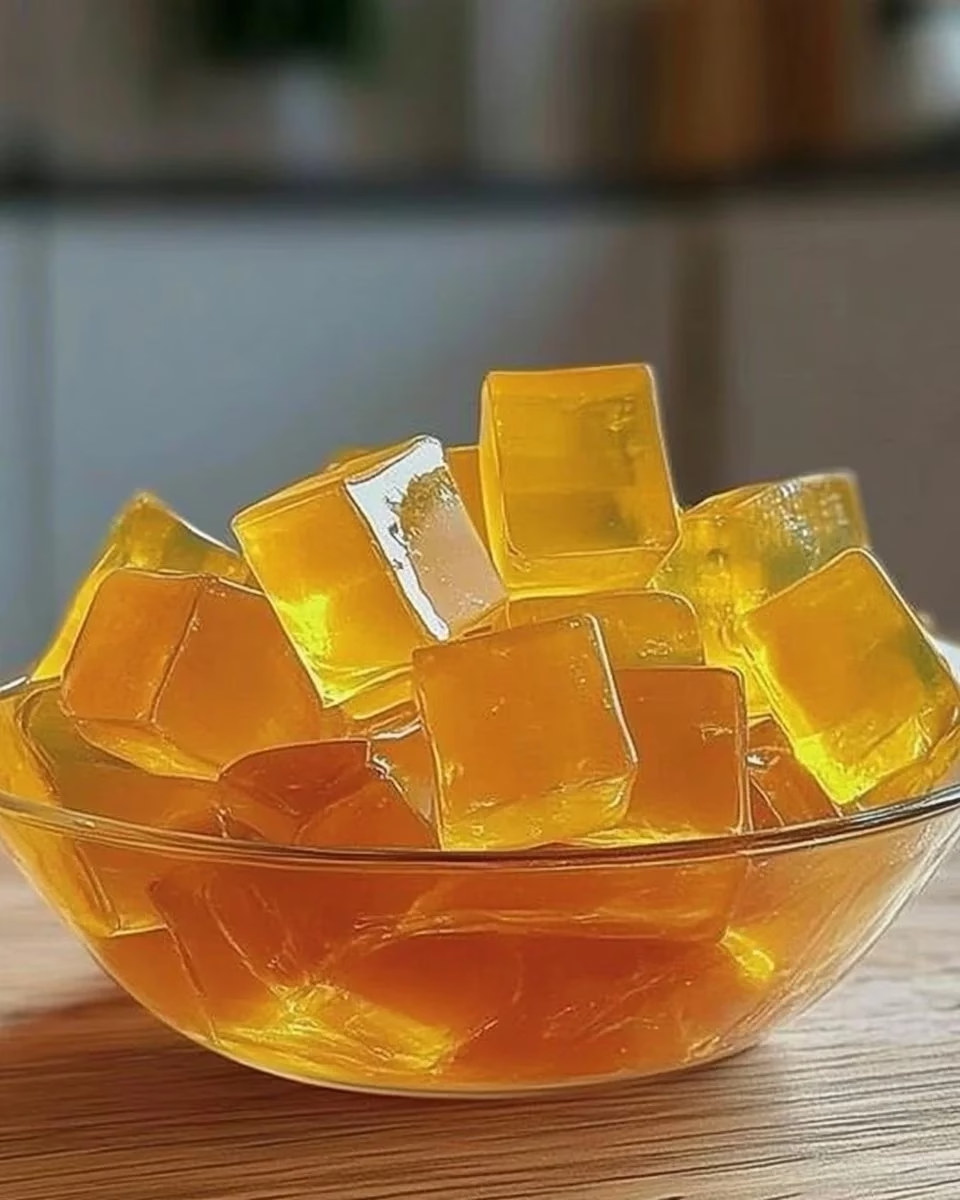
I remember standing at my kitchen counter late one evening with a small pan warming on the stove and a bowl of tiny, trembling jelly waiting to be born. The light from the window was low and gold, and I felt the same bright, curious push I get when a texture finally shifts the way I hoped it would. That hush of attention, the quiet joy of a dessert that snaps cleanly and smells faintly of lemon, is why I keep coming back to this Gelatin Trick Recipe, and why I still love sharing little discoveries with friends and neighbors who lean into small-batch tests like I do. If you enjoy playful tasting and clear, simple methods, you might also like the way I think about bright, fresh pairings in my salad recipe guide.
Why This Gelatin Trick Recipe Became a Favorite
This recipe matters because it is small, honest, and teaching me new things every time I make it. I first started playing with unflavored gelatin to make a cleaner, softer jelly for a layered dessert. Early attempts were either too rubbery or too fragile. The sweet spot came after a few night-time experiments when I learned how a quick bloom and a gentle warm dissolve changes texture entirely.
What drew me in was how forgiving the recipe felt. A little more honey here, a touch more lemon there, and you can nudge the flavor and body without breaking the structure. It became a favorite because it gave me confidence to try color and juice swaps, and because the results felt trustworthy. It is a recipe that invites you to be exact when you want to be, and loose when you want to play.
I also love how it encourages small batches. That means less waste and quicker feedback. Each tray feels like a test strip for flavor and texture, and that hands-on rhythm kept me curious and returning to the counter.
The Story Behind This Small-Batch Gelatin Trick Recipe
The moment the texture shifted in one successful test was unforgettable. I had bloomed the powder, warmed the liquid, and stirred in lemon and honey on a quiet Tuesday. It cooled in the fridge, and when I cut the first cube the knife slid through with a glossy finish and a soft but firm hold.
It was one of those reassuring wins that comes from small, deliberate changes. I had learned to watch for glossiness and to stop stirring as soon as the gelatin dissolved. That tiny change kept air out and smoothed the surface. From that night on, the recipe felt like a reliable friend in the kitchen.
This recipe also taught me that scents matter. A splash of lemon or apple cider vinegar wakes up the honey, and the aroma makes the simple dessert feel deliberate. The method is simple, but the cues are sensory: sight, touch, and smell guide you to success.
How This Gelatin Trick Recipe Comes Together
“The moment the texture shifts, you know it’s ready.”
The process looks short on paper but is rich with small moments that change the final result. You bloom the gelatin and let it sit briefly so every granule can wake up. Then you warm the liquid gently, watching it shift from cloudy to glassy as the gelatin dissolves. That gloss is the promise of a smooth texture.
Once the gelatin dissolves, you stir in acid and sweetener. Lemon juice or apple cider vinegar balances the sweetness and brightens the aroma. Honey or another natural sweetener adds a soft floral note and helps the gel feel more tender in the mouth.
Pouring into a tray is a quiet, satisfying step. The surface levels and you can already imagine the neat cubes. Refrigeration asks for patience, but the wait is rewarded with clean edges and a pleasant snap that is the hallmark of a well-made gelatin sheet.
Ingredients You’ll Need
Unflavored gelatin powder
- This is the base. It gives structure and sets with a clean mouthfeel.
Cold water
- Use cold water to bloom the gelatin. This helps it hydrate without clumping.
Lemon juice or apple cider vinegar
- Adds brightness and a little acidity to balance the sweetness.
Honey or natural sweetener
- Sweetens gently and gives a softer mouthfeel than refined sugar.
Optional: fruit juice
- Use in place of some water for flavor, but choose low-acid juices for best texture.
Each ingredient plays a quiet role. The gelatin gives body, the water lets it bloom, the acid wakes up flavor, and the honey makes every bite feel rounded and satisfying. Choose each with calm intention, and the dessert will repay you.
Step-by-Step Directions
Bloom the gelatin by sprinkling gelatin powder over cold water and letting it sit for one minute.
Watch the powder soften and swell. The surface will feel slightly tacky when it is ready.Warm the liquid gently until the gelatin fully dissolves for a smooth texture.
Heat just enough to melt the gelatin and watch for a smooth sheen. Avoid boiling.Add lemon juice, apple cider vinegar, honey, or your preferred sweetener.
Stir until the sweetener blends and the aroma lifts. Taste for balance and adjust lightly.Pour the mixture into a tray and refrigerate until completely firm.
Level the tray so the surface is even. The wait lets the structure finish and the flavor settle.Cut the firm gelatin sheet into cubes and store in the refrigerator until ready to enjoy.
Use a sharp knife for clean edges. Store in a covered container to preserve aroma and texture.
Watching It Transform
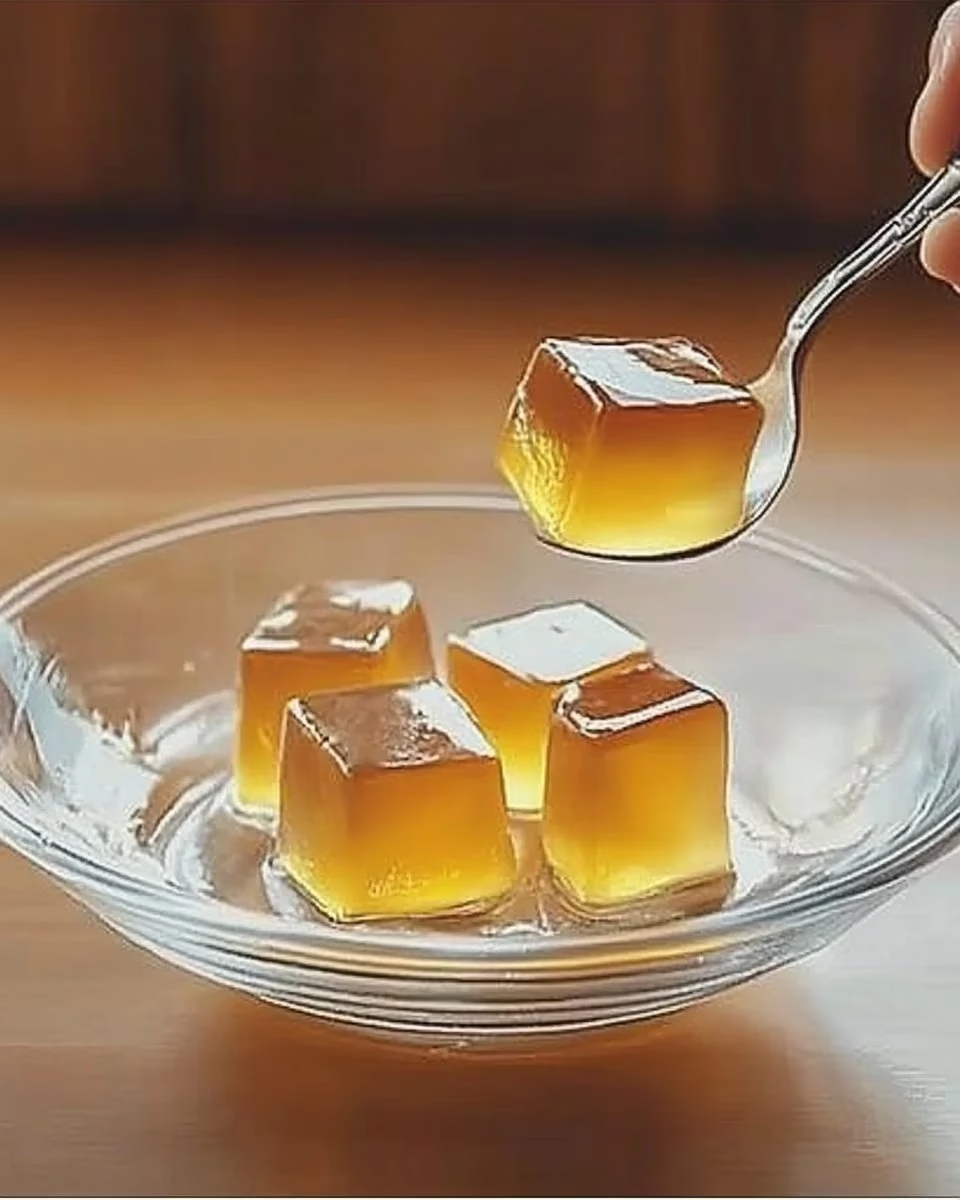
There is a visible and tactile transformation that will keep you attentive in the best way. At first the bloomed gelatin looks shaggy and dull. As it warms it clears and gleams. That gloss is your signal that the gelatin dissolved completely and the texture will be smooth.
When the tray is chilled, the surface firms but still looks wet. A gentle press with your fingertip should give a little and bounce back slightly. Once the cubes cut cleanly and the knife leaves a neat face, you have reached the sweet spot. The texture should feel soft against the tongue, not rubbery, and the flavor should be bright and honest.
When I Serve Gelatin Trick Recipe
I love serving these little cubes as a simple, cheery dessert after a casual meal. They work well on a small plate with a smear of yogurt or a spoonful of citrus curd. For a lighter offering, I tuck a few cubes beside a bowl of fresh berries and let guests mix and match tastes and textures.
This dessert also makes a friendly test item for a dinner with friends. It travels well if you keep it chilled, and people often enjoy trying different flavor versions in one sitting. You can also cut smaller cubes and offer them on skewers for a playful, bite-sized treat.
Serving is easy and relaxed. Keep it seasonal. A lemon-honey cube feels bright in spring, while a warmed apple-ginger version suits cooler months. Think small plates, soft spoons, and leisure. The dessert is meant to spark curiosity, not to be perfect or fussy.
Pairings and Plating Ideas
Pair with a cool, creamy element like plain yogurt to offset the gel’s snap. The contrast in texture and fat will feel satisfying and rounded. A scattering of toasted nuts adds crunch and a warm note.
For a light afternoon treat, serve on a long, narrow plate with a line of citrus zest and a tiny dusting of powdered sugar. For a more relaxed table, pile cubes in a shallow bowl with sliced stone fruit. The joy is in mixing textures, so keep presentation simple and inviting.
If you like contrasting flavors, I find a crisp, peppery salad pairs nicely with the dessert’s sweetness. For ideas on bright, clean sides to accompany small desserts, see my salad recipe guide.
Keeping Gelatin Trick Recipe Fresh
Store the cubes in an airtight container in the refrigerator and use within a week for best texture and aroma. Over a few days the gel can lose a touch of snap and the surface will take on a slightly drier sheen, but it will still taste pleasant and soft.
If the cubes pick up fridge smells, place a small square of parchment between layers or add a slice of citrus peel (not touching the gel directly) to absorb odors. Try to keep them away from strongly scented foods.
If your gel becomes a little too firm after long storage, let it rest at room temperature for five to ten minutes before serving. This softens the mouthfeel and brings the flavors back toward their original brightness.
Carol’s Baking Notes
Bloom time matters but keep it short. One minute is usually enough for most unflavored gelatin powders. Too long and water can separate from the gel, leaving clumps when you warm it.
Heat gently and stir just until the gelatin dissolves. Boiling can break the gelatin’s delicate setting power and make the texture chewy.
Taste and balance after dissolving gelatin. A little lemon or vinegar can lift the honey without making the gel taste sour. Add acid in small amounts and adjust slowly.
If you want a softer set, reduce gelatin slightly, but do not cut more than 10 percent without testing. Small-batch changes give quick feedback.
Use clear, low-acid fruit juices when adding for flavor. Highly acidic juices can weaken the gel if used in large amounts.
These notes come from real tests and small tweaks. I kept a notebook of each tray and learned that minor shifts change mouthfeel more than appearance. That awareness helped me make dependable versions I could share without worry.
Variations I’ve Tried
Citrus Honey Cubes
Replace a portion of the cold water with fresh lemon juice for a bright, zesty cube. Keep the balance gentle so the gel still sets.Berry-Light Version
Use strained, low-pulp berry juice to introduce color and a soft fruit note. If you use fresh puree, strain it to avoid seeds and excess pulp.Ginger Apple
Warm a little grated ginger with apple juice, then strain and cool slightly before mixing with bloomed gelatin. The ginger adds warmth and aroma.Floral Twist
Stir in a teaspoon of lavender-infused honey or a hint of rose water. Use light hands; floral flavors can easily dominate.Vanilla Honey Sheet
Add a split vanilla bean to the liquid as it warms, then remove before pouring. Vanilla deepens the aroma and feels classic with honey.
Each variation respects the structure: bloom, dissolve, taste, and chill. Keep variations small at first. I like making two mini trays to compare, so I can see which twist I prefer in texture and flavor.
Questions I Had While Testing
Can I make this ahead of time?
Yes, and in many cases it actually sets better after resting, especially once the texture has fully settled. Keep the cubes refrigerated and bring to slightly warmer room temperature for the best mouthfeel before serving.
What if my gelatin feels rubbery?
Rubbery texture usually means too much gelatin or excess heating. Try reducing the gelatin by a small amount next time and avoid boiling the mixture. Gentle heat preserves a softer, more pleasant gel.
Can I use fruit puree instead of water?
You can, but strain purees to remove pulp and seeds for a clear, smooth finish. High-acid purees can weaken the set, so use them in combination with water for best results.
How do I prevent a grainy surface?
Stirring too vigorously or not fully dissolving the gelatin can make the surface look grainy. Stir gently and heat until the mixture is clear and glossy for a smooth finish.
Is honey the best sweetener?
Honey adds aroma and softens texture, but you can use other natural sweeteners. Adjust quantities to taste, and remember that different sweeteners change both sweetness and mouthfeel.
Helpful Answers Before You Start
Think of the recipe as a gentle set of steps guided by your senses. Blooming, warming, and tasting are small acts of attention. The gel rewards patience and calm testing. Keep a little notebook nearby so you remember which tweaks you liked best.
When you serve, invite feedback from friends and family. I often put out two trays with small variations and ask people which they prefer. It is a simple way to learn quickly and to make your kitchen feel like a curious workshop.
Little Things That Made a Difference
Using a glass tray to chill led to a cleaner surface and a more even set than thin metal pans in my tests. Glass seems to hold steady temperature and helps with a clear face.
A quick spray of cool water over the surface right after pouring can remove tiny air bubbles. Test with a small pan first to see how your kitchen reacts.
Cutting with a hot, dry knife gives the cleanest edges. Run the blade under hot water, dry it, and cut steadily for neat cubes.
Measuring gelatin by weight gave more consistent results than by volume in my trials. If you have a kitchen scale, it helps when you test variations.
These small tips came from many little batches and friendly feedback. They are not rules, just helpful nudges that made a visible difference in texture and appearance.
Helpful Serving Notes
Serve chilled but not ice cold. The flavor opens slightly as the cube warms at room temperature for a minute or two. For a breakfast twist, top a cube with a dollop of yogurt and a few toasted oats. For an evening sweet, add a sprinkle of fleur de sel for contrast.
If you serve multiple flavors, use small labels so guests can taste mindfully. Offer small spoons or toothpicks for easy tasting. Keep the experience relaxed: the dessert is meant to invite tasting and conversation.
FAQs About Gelatin Trick Recipe
Can I use sheet gelatin instead of powder?
Yes, you can swap to sheet gelatin, but the bloom and melt steps differ. Soak the sheets in cold water until pliable, squeeze gently, and dissolve in warm liquid. Adjust quantities using the package guide or a conversion chart.
How do I adjust sweetness for children?
Reduce honey slightly or use a milder sweetener. Taste before pouring and keep the sweetness gentle. Children often prefer less bright acidity as well, so lean toward milder citrus or less vinegar.
Will the color change if I add juice?
Colors may deepen or fade slightly during chilling. Clear juices keep a vibrant color, while darker or pulp-laden juices may cloud the mix. Straining juices keeps color bright and the texture smooth.
What if my gel does not set fully?
Reheat gently to dissolve any remaining gelatin, then chill again. If it still does not set, the gelatin ratio may be too low for the liquid used. Test a small extra batch to find the right balance.
How long can I keep these in the fridge?
Keep them for up to one week in a sealed container. Fresh aroma and snap are best in the first few days, but they remain pleasant for several days when stored well.
Ways to Make It Your Own
Treat the recipe as a friendly framework. Keep gelatin and water as the backbone, then play with small touches. Swap a portion of water for juice, add a tea infusion, or fold in a tiny amount of finely chopped fresh herb. Keep changes modest at first so the gel still sets predictably.
Try mini experiments. Make two small trays with one subtle change each. Compare textures and flavors side by side. That is how I learned which swaps kept the pleasing texture and which ones required a different gelatin ratio.
Invite others into the process. Set up a small tasting with notes and let friends vote. It is a joyful way to refine a version that suits your household.
A Final Thought
I hope this Gelatin Trick Recipe encourages you to try something small, precise, and a bit playful in your kitchen. There is comfort in recipes that teach us through doing, and joy in the gentle surprise when a texture finally lands the way you imagined. Make a few trays, taste with curiosity, and keep a notepad nearby for those tiny discoveries you will want to try again. From my kitchen to yours, I can’t wait to hear which little twist you loved most.
Gelatin Trick
Ingredients
Main Ingredients
- 2 tablespoons Unflavored gelatin powder Gives structure and sets with a clean mouthfeel.
- 1 cup Cold water Use to bloom the gelatin.
- 1/4 cup Lemon juice or apple cider vinegar Adds brightness and acidity.
- 1/4 cup Honey or natural sweetener Sweetens and provides a tender mouthfeel.
- 1/2 cup Optional fruit juice Use in place of some water for flavor.
Instructions
Preparing the Gelatin
- Bloom the gelatin by sprinkling gelatin powder over cold water and letting it sit for one minute.
- Watch the powder soften and swell; the surface will feel slightly tacky when ready.
- Warm the liquid gently until the gelatin fully dissolves for a smooth texture.
- Heat just enough to melt the gelatin, watching for a smooth sheen and avoiding boiling.
Mixing the Ingredients
- Add lemon juice, apple cider vinegar, honey, or your preferred sweetener.
- Stir until the sweetener blends and the aroma lifts. Taste for balance and adjust lightly.
Setting the Gelatin
- Pour the mixture into a tray and refrigerate until completely firm.
- Level the tray so the surface is even; the wait lets the structure finish and the flavor settle.
- Cut the firm gelatin sheet into cubes and store in the refrigerator until ready to enjoy.