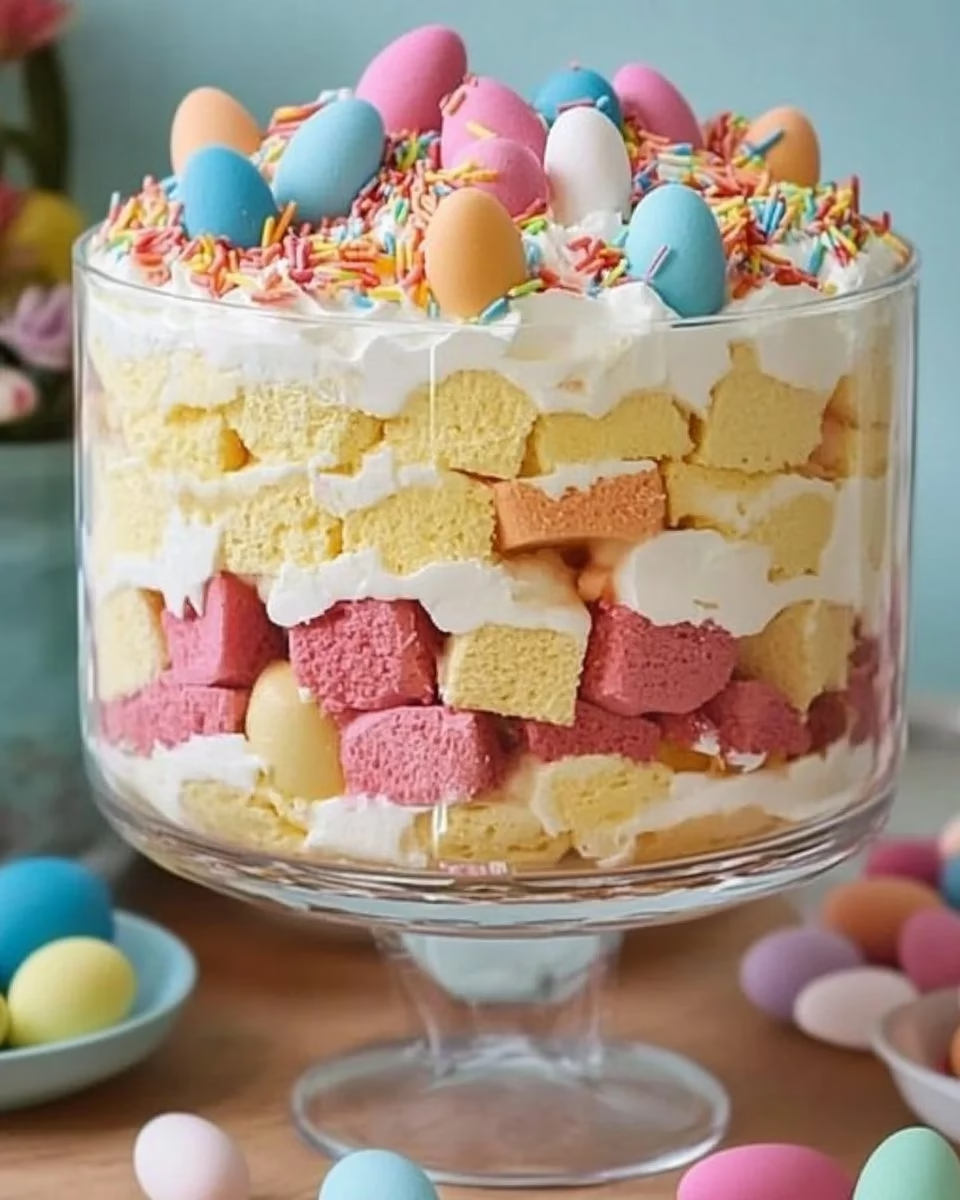
I pulled the trifle dish out late one spring evening, when the kitchen smelled faintly of butter and the last strawberries of the season. I was testing how a simple pound cake could soften without turning mushy, and how berries could hold their bright bite under layers of cream. That quiet experiment felt like a small celebration, the kind that reminds me why I fall for dessert again and again, much like the playful runs I had while trying a layered Black Forest Lush years ago for another holiday treat that taught me about balancing fruit and cream.
What Drew Me to This Easter Trifle Dessert
This recipe started as curiosity and kept going because it was forgiving. I wanted something that read festive on the table but did not demand perfect timing or finicky techniques. The pound cake brings structure, the pudding brings comfort, and the berries bring snap of flavor.
My tests were small-batch and honest. I tried different cakes, different puddings, and tiny tweaks in layering, learning which changes mattered and which were indulgent extras. Each test taught me to watch texture more than timing.
I found joy in the middle step, where the pudding meets berries and the whipped cream settles into gentle peaks. That moment is both visual and tactile. It is the point where the dessert feels like a promise kept.
This Easter Trifle Dessert felt right when it invited tasting at every stage. I could pin down when to stop soaking the cake, how much cream to fold, and which berries needed a gentle toss before layering. It became a favorite because it gave room for play.
The Rhythm of Making Easter Trifle Dessert
“The moment the texture shifts, you know it’s ready.”
Begin with calm hands and a clear counter. The process is not rushed, and watching the layers settle is part of the fun. Notice how the pound cake accepts the pudding without dissolving instantly.
As you spoon pudding, look for a smooth sheen on the surface. It should spread easily and hold a slight contour when the spoon lifts away. That glow tells you the pudding has the right body.
When berries go in, they should look vibrant, not crushed. If you see juices pooling, fold those into the layer beneath rather than drowning the fruit. A little restraint keeps the trifle bright.
Whipped cream should sit like clouds, soft peaks that gently keep their shape. Press lightly and look for a pillowy bounce. This is the texture that finishes the trifle with charm and lift.
Ingredients You’ll Need
1 pound cake, cubed – this helps with structure and keeps the layers defined.
2 cups fresh berries (strawberries, blueberries, raspberries) – these add freshness and contrast.
2 cups whipped cream – this adds richness without overpowering the berries.
1 cup vanilla pudding – this brings a creamy, reliable base note.
1 cup yogurt (optional) – adds a gentle tang that lightens the sweetness.
Mint leaves for garnish – they give a clean aroma and a pop of color.
Each ingredient is simple and honest. I list yogurt as optional because it changes the feel of the pudding layer, lending a whisper of acidity that some mornings demand. Choose cake that is sturdy, not fragile, and berries that are in season for the best aroma.
If you want a slightly lighter version, mix the vanilla pudding with the yogurt for a silkier, tang-forward layer. For a richer version, stir a few tablespoons of mascarpone into the whipped cream. Both swerves are small but meaningful.
Step-by-Step Directions
- Start by preparing the pudding as per package instructions and let it cool.
- Make the pudding smoothly, whisking until glossy and thickened. Watch for a sheen that signals it has set enough to layer. Cool it so it does not melt the whipped cream when built.
- In a large trifle dish or individual cups, layer cubed pound cake at the bottom.
- Spread cubes evenly so each spoonful has cake. Press gently but do not compress; the cake should give way slightly under the next layer. If the cake is very fresh, a light toast adds sturdiness.
- Add a layer of vanilla pudding over the cake.
- Spoon the pudding to cover the cake uniformly, aiming for a smooth top. Leave a little wiggle room at the edge so the berries can nestle without spilling over. Stop once it feels soft but set.
- Next, layer fresh berries over the pudding.
- Arrange berries to show color and texture, mixing whole berries with sliced strawberries for variety. Watch for any excess juice and blot with a paper towel if needed to keep layers clean.
- Follow with a layer of whipped cream.
- Dollop or pipe the cream so it rests in soft peaks, smoothing lightly for a neat finish. The cream should be cool and airy, lending lightness to the richer pudding beneath.
- Repeat the layers until all components are used, finishing with whipped cream on top.
- Build rhythmically and stop before the dish feels crowded. The top layer of whipped cream should look inviting and hold a small fluted pattern when smoothed or swirled.
- Garnish with mint leaves and additional berries if desired. Chill before serving.
- Let the trifle rest in the fridge for at least an hour so flavors marry, and the texture settles into a harmonious whole. Serve cool, with a spoon deep enough to reach the bottom layers.
How This Dessert Is Meant to Be Enjoyed
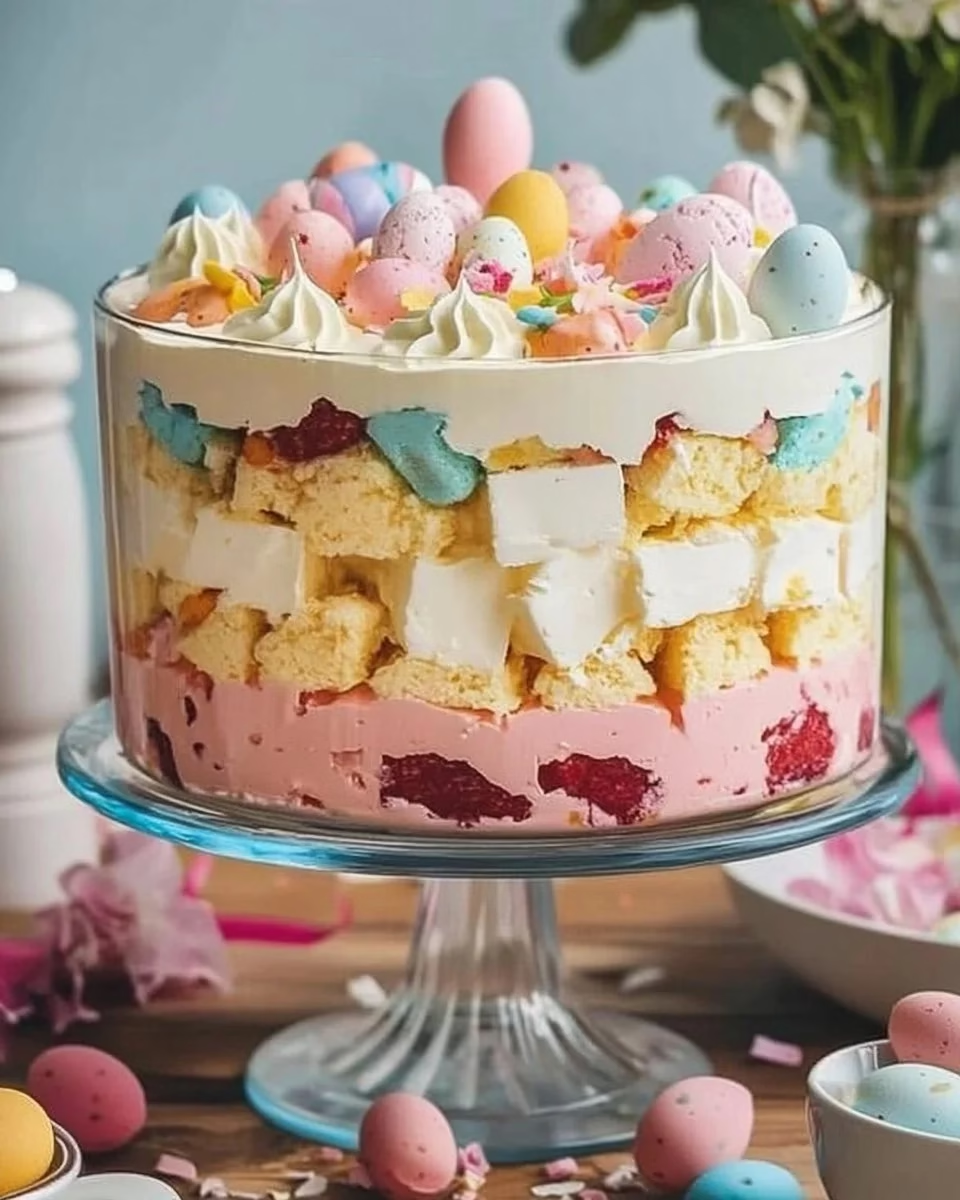
I serve this dessert on slow afternoons where conversation drifts easily. It loves company and small plates, the kind where everyone can admire the layers before tucking in. A shallow scoop will show the pretty cross-section and give a mix of cake, pudding, and berries in a single bite.
For holiday tables, it is a humble star. It dresses up alongside a roast or a simple ham, and it does not compete for attention. The visual appeal is immediate, with bright spots of berries and mint against a creamy white top.
When I bring it to gatherings, people comment first on the color and then on the texture. They linger over how the cake yields and the pudding holds. That dialogue is part of what makes serving this trifle rewarding.
If you want to plate it individually, spoon the layered mix into clear glasses and finish with a mint leaf and a few tiny berries on top. The individual portions look thoughtful and make guests feel like the dessert was made just for them.
I sometimes compare it to other layered desserts I love. If you enjoy a fruit-forward trifle, you might also appreciate a deeper chocolate-fruit version from holiday tests I did years ago. It sits well beside those memories without stealing the show, and it pairs beautifully with warm or cool weather menus. You can read about a richer, seasonal take in my Black Forest trifle experiments that guided some of my flavor choices when I was working through balance and contrast.
Keeping Easter Trifle Dessert Fresh
Store the trifle covered in the refrigerator for up to two days for best texture. The cake will continue to soften, and the flavors will meld into a gentler, unified dessert. Beyond that, the fruit may release more juice and the cream can lose a touch of lift.
If you plan a make-ahead, assemble the trifle without the whipped cream top and chill. Add the final whipped cream and garnish two hours before serving to keep the top looking fresh and pillowy. This small step keeps the presentation bright.
Avoid freezing the whole trifle because the texture of the cream and pudding changes with thawing. If you must preserve parts, freeze extra cubed pound cake separately in an airtight bag. Thawed cake can be refreshed with a short heat in a warm oven to bring back some structure.
If the berries have released juice into the pudding after a day, taste before serving. Sometimes that syrupy fruit adds charm, and other times it makes the layers too loose. A quick stir before plating can rescue texture, but gentle is the word.
Carol’s Baking Notes
- Use day-old pound cake if you can get it. It holds up better and soaks the pudding in a way that is satisfying, not soggy. Fresh cake is lovely but can collapse faster.
- Chill your pudding before layering. Hot or warm pudding will melt whipped cream and make the top weepy, so patience here pays off. A cool pan and cool hands help.
- Choose berries that are firm and fragrant. Soft or overripe berries will bleed into the layers and change the trifle from structured to sloppy. If your berries are very ripe, use them as a topping only.
- If you like a tangy note, fold the optional yogurt into the pudding. Start with a quarter cup and taste. The yogurt brings brightness without taking over.
- For a prettier finish, reserve a few whole berries and some small mint sprigs to place on top at the last minute. Little touches make the dessert feel cared for.
Variations I’ve Tried
I once swapped the pound cake for vanilla sponge and learned that a lighter cake creates a cloudier trifle. The sponge is elegant but delicate, so I recommend it only for smaller, individual servings where the structure is less stressed.
Another time I folded citrus zest into the whipped cream. A teaspoon of orange or lemon zest lifted the flavors wonderfully. It does change the profile toward spring, and it pairs especially well with raspberries.
For a boozy adult version, I brushed the cake with a tablespoon of orange liqueur per cup of cake before layering. It deepened the flavor without making the dessert boozy-tasting. Use lightly and trust the jack-of-all-trades quality of a restrained splash.
I have tried a textured crunch layer by sprinkling toasted sliced almonds between the pudding and the berries. The nuts add surprise and help cut through the creaminess. This move is fun but optional for those who prefer soft textures.
Lastly, I tried a chocolate twist where I swirled a bit of cocoa into the pudding for a faint chocolate note. It became a bridge to more decadent desserts and taught me that small chocolate whispers can be very persuasive.
FAQs About Easter Trifle Dessert
Can I make this ahead of time?
Yes, and in some cases it actually sets better after resting, especially once the texture has fully settled. Assemble most of it the day before but add the top whipped cream and garnish just before serving for best appearance.
What can I use instead of pound cake?
A sturdy banana bread or a simple loaf cake works in a pinch, but avoid something too crumbly. Day-old cake or slightly stale loaf helps maintain structure and prevents the dessert from becoming soupy.
Is yogurt necessary in the pudding layer?
No, it is optional and depends on whether you want a tangy lift. A small amount adds brightness and cuts sweetness, but skip it if you prefer a classic, smoother vanilla pudding profile.
How do I keep pieces from falling apart when serving?
Use a wide spoon and press slightly into the trifle to get a mix of layers. If serving from a deep dish, consider lifting slices with a spatula first and then finishing on a plate to preserve the layered look.
Can I use frozen berries?
I recommend fresh when possible. If using frozen berries, thaw and drain them well to keep excess juice from flooding the layers. Toss with a little cornstarch if they are very juicy to help keep the layers intact.
A Final Thought
I hope this Easter Trifle Dessert encourages you to experiment a little and trust your instincts the way I have learned to trust mine. Baking is a gentle conversation between ingredients and attention, and trifles are the kind of desserts that reward curiosity. Make one for a quiet table or a festive crowd, and know that each layer is an invitation to play and to enjoy.
Easter Trifle Dessert
Ingredients
For the base
- 1 loaf pound cake, cubed This helps with structure and keeps the layers defined.
For the layers
- 2 cups fresh berries (strawberries, blueberries, raspberries) These add freshness and contrast.
- 2 cups whipped cream Adds richness without overpowering the berries.
- 1 cup vanilla pudding Brings a creamy, reliable base note.
- 1 cup yogurt (optional) Adds a gentle tang that lightens the sweetness.
- a few mint leaves for garnish Provides a clean aroma and a pop of color.
Instructions
Preparation
- Start by preparing the pudding as per package instructions and let it cool.
- In a large trifle dish or individual cups, layer cubed pound cake at the bottom, spreading cubes evenly so each spoonful has cake.
- Add a layer of vanilla pudding over the cake, spooning it to cover the cake uniformly.
- Next, layer fresh berries over the pudding, arranging them to show color and texture.
- Follow with a layer of whipped cream, dolloping or piping it to rest in soft peaks.
- Repeat the layers until all components are used, finishing with whipped cream on top.
- Garnish with mint leaves and additional berries if desired. Chill before serving.
Serving
- Let the trifle rest in the fridge for at least an hour so flavors marry.