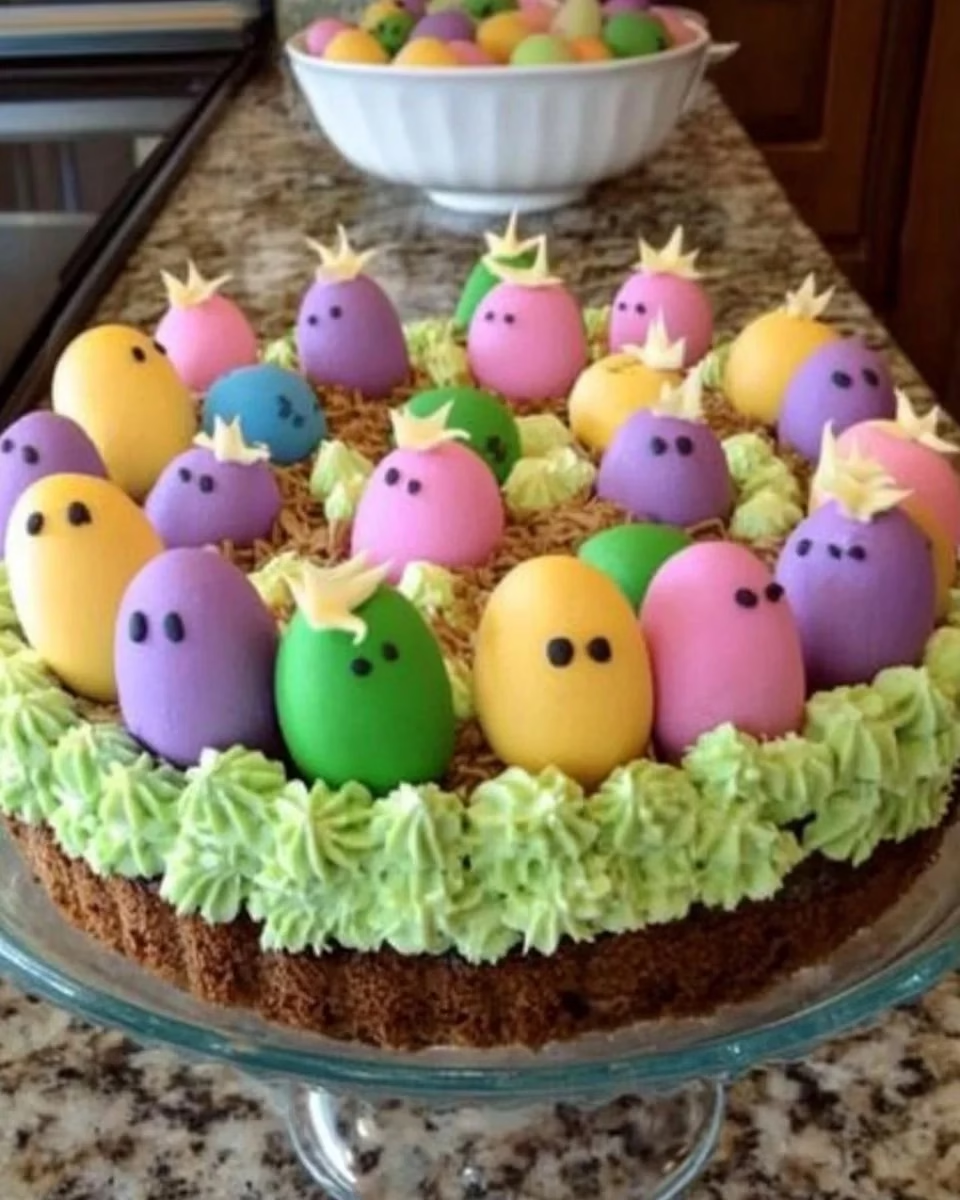
I pulled a warm cake from the oven one quiet night, the kitchen smelling like buttered sugar and orange-tinged carrots, and realized how small rituals turn into holiday magic. The crumb felt tender under my fingers and the frosting spread with a soft sigh, and that gentle moment is what this recipe is about. If you like crunchy chocolate details, try my post about chocolate pretzel Easter nests for a playful side idea that pairs well with gentle cream cheese frosting.
Why This Easter Desserts Became a Favorite
This cake began as an experiment on a slow Tuesday, the kind of test where I was chasing a balance between buttery richness and a clean carrot brightness. I tried different egg counts, a few flours, and small changes in sugar until the texture felt right without being dense. The version I share here keeps things simple on purpose so you can tweak easily.
There was one evening when the frosting hit a moment I call “soft but steady,” and I knew the recipe had landed. It frosted smoothly, held its little peaks for decoration, and tasted fresh even the next day. That moment of quiet satisfaction is why this cake made it into my regular rotation.
The Story Behind This Small-Batch Easter Desserts
I kept the batch deliberately small because I wanted the cake to feel like a gift rather than an obligation. Small batches give you room to be bold with decorations and to test tweaks without wasting ingredients. I tested this recipe over several weeks, making tiny swaps and noting how each change nudged the texture or aroma.
Along the way I learned that simple steps taken with attention beat complicated techniques done in a rush. That calm, curious approach is at the heart of this recipe and helps it remain approachable for bakers at any level.
How This Easter Desserts Comes Together
“The moment the texture shifts, you know it’s ready.”
The process is a slow reveal of texture. You start with butter and sugar until the mixture lifts and brightens, which tells you enough air has gone in to create a light crumb. Adding eggs one at a time keeps the batter from breaking, and watching the batter smooth out is a cue that gluten and fat have bonded the right way.
When you fold in the carrots, you will see the batter tighten slightly and pick up specks of orange that promise freshness. After baking, the cake should spring back gently to the touch and smell faintly of vanilla and warm butter. Those sensory cues are the kitchen language I trust after many small-batch tests.
Ingredients You’ll Need
Carrots — fresh shredded carrots, this adds moisture and a mild sweetness that keeps the cake lively.
Butter — unsalted, softened, this adds richness without overpowering the carrots.
Sugar — granulated, this helps with structure and keeps things classic.
Flour — all-purpose, this gives a tender but stable crumb.
Baking powder — leavening to lift the cake without being heavy.
Eggs — room temperature, they bind and add lift in a gentle, predictable way.
Vanilla extract — a little goes a long way, this adds warmth and depth.
Cream cheese — for the frosting, tangy and smooth for contrast.
Powdered sugar — sifted into the frosting, this sweetens and helps the frosting hold shape.
Decorative toppings (like chocolate eggs or pastel sprinkles) — for personality and a seasonal wink.
Step-by-Step Directions
-
Preheat your oven to 350°F (175°C).
Set a rack in the center so heat moves evenly around the pan. Warm ovens can brown edges too quickly, so watch the first batch closely. -
In a bowl, cream together the butter and sugar until light and fluffy.
Beat until the mixture shows a pale sheen and holds an impression from the spoon. Stop when you see a smooth, airy texture rather than grainy butter spots. -
Add the eggs one at a time, mixing well after each addition.
Pour each egg in, beat until incorporated, and pause to scrape the bowl. The batter will look softer and silkier as the eggs blend in. -
Stir in the vanilla extract.
Mix just until the scent spreads through the batter and you see a glossy finish. Too much mixing after this can tighten the crumb. -
In another bowl, mix flour and baking powder. Gradually add the dry ingredients to the wet mixture.
Fold the dry mix in gentle batches so the batter stays tender and not overworked. Watch for streaks to disappear while keeping the texture light. -
Fold in shredded carrots until evenly combined.
Use a spatula and turn the batter over with a few deliberate folds; small streaks are fine. The batter will become a little denser and show orange flecks. -
Pour the batter into a greased cake pan and bake for 25-30 minutes or until a toothpick inserted into the center comes out clean.
The top should be lightly golden and spring back when pressed gently. If the toothpick has crumbs that look moist but not wet, give it a minute more. -
Allow to cool.
Let the cake rest in the pan for a short while, then move to a rack so air can circulate underneath. Cool completely before frosting to avoid a runny top. -
For the frosting, beat together cream cheese and powdered sugar until smooth.
Start on low so the powdered sugar blends without a dust storm, then raise the speed briefly for a silky finish. Aim for a frosting that holds a soft peak and spreads easily. -
Spread the frosting over the cooled cake and decorate with chocolate eggs or sprinkles.
Smooth the frosting with a spatula or make little swirls for a rustic look. Add your decorations while the frosting is fresh so they sit neatly on top. -
Serve and enjoy the gorgeous centerpiece!
Slice with a warm, clean knife and watch the layers reveal a moist crumb and creamy top. Share it, photograph it, and notice how guests smile at those small, seasonal decorations.
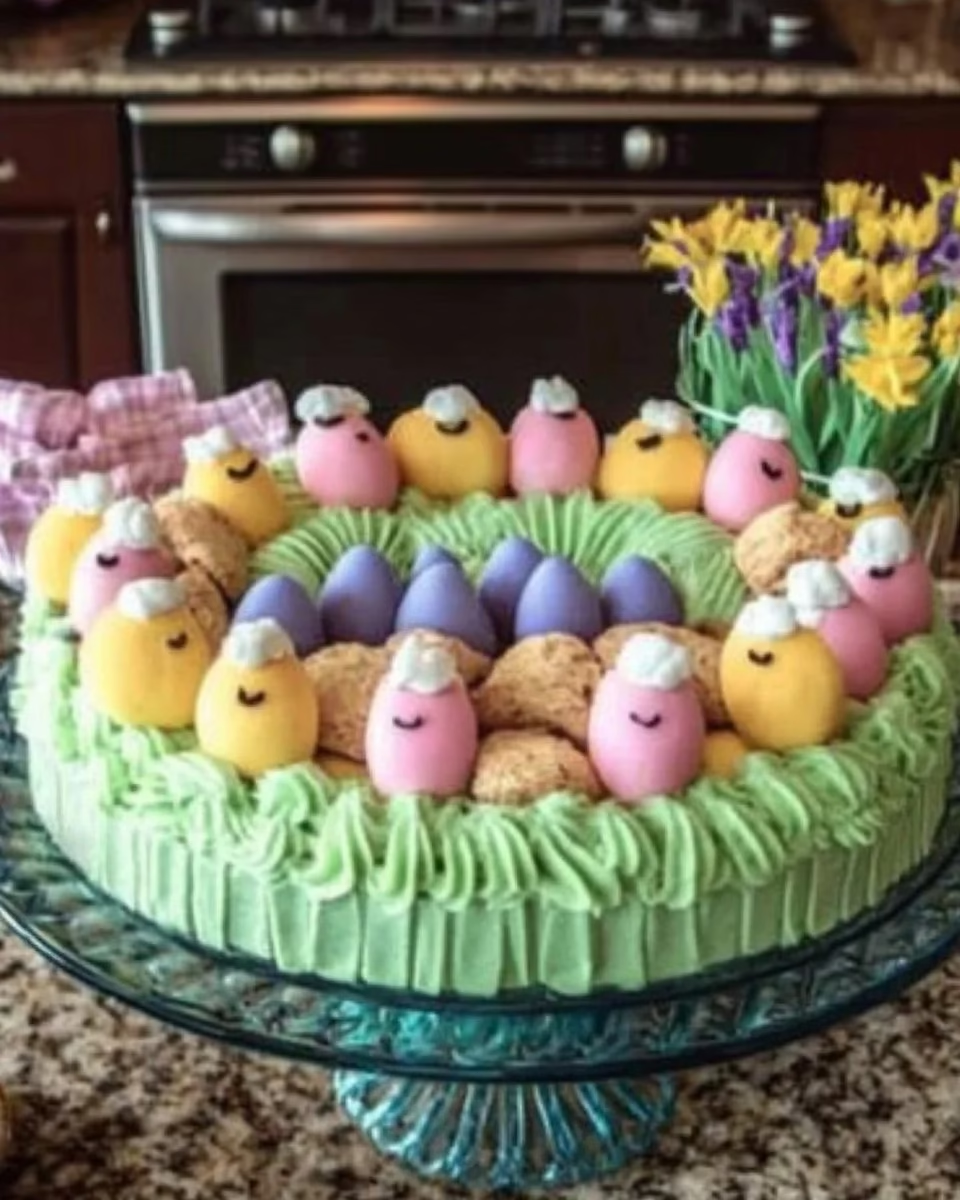
Watching It Transform
Baking is a series of small changes that add up to something joyful, and this cake is full of those moments. While the batter starts glossy and loose, it gains a soft structure as eggs and flour join. Once warm from the oven, the aroma is gentle, not cloying, which is what I aim for in an Easter treat.
As the frosting settles, you will see a quiet firming that makes slicing clean and satisfying. The decorative toppings add a playful contrast to the smooth cream cheese, and their texture keeps each bite interesting.
Sharing Easter Desserts
This cake loves casual gatherings and quiet moments alike. It sits well on a simple plate at an afternoon coffee, and it also makes a charming centerpiece for a small holiday table. I often bring it to neighborly visits, and people respond to the approachable look and honest flavors.
If you want a contrasting dessert on the table, consider pairing it with a dense, rich option like a rich chocolate peppermint cheesecake for guests who prefer something more indulgent. The light cream cheese and carrot notes play nicely against a deep, chocolatey slice, making each choice feel special.
When serving, I like to let the cake come to room temperature so the frosting is creamy rather than stiff. Slice with a warm knife and present on a platter that lets the decorations shine. Small napkins and a casual fork make it feel like a shared, relaxed moment.
Keeping Easter Desserts Fresh
If you expect leftovers, store the cake in the fridge wrapped loosely to avoid chilling the frosting too hard. The cream cheese frosting keeps the cake moist, but refrigeration slows aromatics a bit, so bring slices to room temperature before serving again. Expect a slight tightening of the crumb after a day, which is normal and still very tasty.
For a one-day window, keep the cake covered on the counter if your kitchen is cool. Beyond two days, refrigeration is safest to keep the cream cheese stable. If you plan to freeze, wrap slices or the whole cake tightly in plastic and foil; thaw in the fridge overnight and then bring to room temperature before serving.
Texture will change over time as the flavors mingle and the carrot moisture settles. Many people find the cake tastes even more integrated after a day, with the frosting mellowing into the crumb.
Carol’s Baking Notes
-
Room temperature eggs matter. I learned this after a cold egg made the batter look curdled even after careful mixing. Warm eggs blend smoothly and help the batter emulsify properly.
-
Don’t overmix after adding flour. Overworking the batter tightens the crumb and makes the cake chewier. Stop folding once no dry streaks remain and the batter looks even.
-
Freshly shredded carrots beat pre-shredded for texture and moisture. I tested both and found store-bought shreds can be drier and less fragrant. A coarse grater gives the best bite.
-
Cream cheese frosting should be whipped just until smooth. Over-whipping can make it too soft or even slightly grainy. Aim for a silky spreadable texture that holds shape.
-
Small decorations add a lot of charm. I experimented with many toppers and found that a few chocolate eggs or a scattering of pastel sprinkles made the cake feel festive without being fussy.
Variations I’ve Tried
Add warm spices. A pinch of cinnamon and a hint of nutmeg turn the cake cozy and familiar. I tried a small test version with spices and it deepened the aroma without overwhelming the carrot flavor.
Swap brown sugar for half the granulated sugar. This adds a molasses note that makes the cake richer and darker. I liked this for fall-themed variations, though for Easter I tend to keep it bright.
Toast some nuts for texture. Chopped walnuts or pecans, lightly toasted, bring a pleasant crunch. I fold them in gently or sprinkle on top for contrast.
Use citrus zest. A little orange or lemon zest in the batter lifts the flavor and pairs well with the cream cheese frosting. It felt lively in testing and brightened the overall flavor profile.
Make cupcakes. The batter scales well to cupcakes, baked for less time. Cupcakes let you experiment with decorations and serve easily at gatherings.
FAQs About Easter Desserts
Can I make this ahead of time?
Yes, and in some cases it actually sets better after resting, especially once the texture has fully settled. Bake the cake a day ahead, frost it the next day, and serve at room temperature for the best texture.
Can I substitute oil for butter?
You can, but the texture will shift to a denser, moister crumb with less of the buttery lift. I tested an oil version; it was fine, but I preferred the flavor and mouthfeel of butter for this recipe.
What pans work best for this recipe?
A single 8 or 9 inch round cake pan is ideal for a small-batch dessert. I also tested loaf pans and cupcakes; cooking time changes, but the cake behaves predictably across pan types.
How do I avoid a soggy center?
Do not underbake. The toothpick test should show no wet batter, and the top should spring back slightly. Cooling the cake on a rack rather than leaving it in the pan too long helps prevent trapped steam.
Can I make a dairy-free version?
You can swap butter for a plant-based stick and use dairy-free cream cheese, but expect subtle changes in richness and texture. I tried a version with a firm dairy-free cream cheese and it held up well, though the flavor was a touch different.
From My Kitchen to Yours
This cake is small in scale but big in heart, the kind of dessert that invites playful decoration and gentle experimentation. I hope baking it gives you the same quiet joy I felt pulling that first warm cake from the oven. Try a tweak or two, trust your senses, and most of all, enjoy the process.
If you make it, let the textures guide you and treat each test as a lesson rather than a perfect result. I will make this cake again and again because it keeps teaching me small things about balance and timing, and it keeps showing up as an easy way to make a celebration feel homemade and warm.
A warm kitchen, a forgiving recipe, and a little curiosity are all you need to make this Easter dessert sing.
Small-Batch Carrot Cake
Ingredients
For the cake
- 1 cup fresh shredded carrots Adds moisture and mild sweetness.
- 1/2 cup unsalted butter, softened Adds richness.
- 1 cup granulated sugar Helps with structure.
- 1 cup all-purpose flour Provides a tender crumb.
- 1 teaspoon baking powder Leavening for the cake.
- 2 large eggs, room temperature Adds lift.
- 1 teaspoon vanilla extract Adds warmth.
For the frosting
- 8 oz cream cheese Tangy and smooth.
- 1 cup powdered sugar, sifted Sweetens and helps hold shape.
Decorative toppings
- to taste chocolate eggs or pastel sprinkles For seasonal decoration.
Instructions
Preparation
- Preheat your oven to 350°F (175°C) and set a rack in the center.
- In a bowl, cream together the butter and sugar until light and fluffy.
- Add the eggs one at a time, mixing well after each addition.
- Stir in the vanilla extract.
- In another bowl, mix flour and baking powder.
- Gradually add the dry ingredients to the wet mixture, folding gently.
- Fold in shredded carrots until evenly combined.
Baking
- Pour the batter into a greased cake pan and bake for 25-30 minutes.
- Allow to cool before frosting.
Frosting
- Beat together cream cheese and powdered sugar until smooth.
- Spread the frosting over the cooled cake and decorate with chocolate eggs or sprinkles.
Serving
- Slice and enjoy the gorgeous centerpiece!