
I remember the first time a tray of warm Creamsicle Orange Cookies came out of my oven, the kitchen smelling like a sunny soda fountain and a childhood summer. I sat at the counter with a loose towel over my shoulders, watching steam curl off soft centers while the white chocolate chips glowed like tiny moons. That quiet tasting, with crumbs on my fingers and a curious grin, is the kind of small, bright moment that keeps me testing and retesting recipes until they feel just right, and it led me to shape this little cookie into something dependable and playful, much like the cookies linked in my early notes at my favorite orange creamsicle cookies page.
The Story Behind This Small-Batch Creamsicle Orange Cookies
This recipe began as a curiosity. I wanted the mellow tang of orange to pair with the soft, sugary comfort of a butter cookie, and I wanted that creamsicle feel without fuss. I tested several batches, changing one thing at a time. Sometimes the cookies spread too thin. Other times they stayed doughy and missed that soft, tender bite I was after.
One evening I slowed the process and paid attention to texture. I found that creaming the butter and sugars until the mixture took on a pale, almost glossy look changed everything. The cookies gained structure without becoming stiff. That was the moment the whole recipe felt like play and science at once. I kept notes on timing, how much orange zest seemed bright but not sharp, and the way white chocolate folded into the dough like small, sweet pockets.
Over a few small-batch runs I adjusted the flour a little, nudged the baking time by a minute or two, and learned the cues for doneness that no timer can fully capture. Readers often tell me they like a cookie that sits softly in the hand but has a gentle exterior that yields to a moist center. That balance is exactly what these cookies aim for.
Watching It Transform
“The moment the texture shifts, you know it’s ready.”
When I make these cookies I think about stages. First the butter looks glossy as I cream it with both sugars. It moves in the bowl in slower, cloud-like folds. That sheen tells me the sugar is dissolving a little into the fat, and that means the final cookie will have a fine crumb and a gentle chew.
After the eggs and extracts join the batter, the mixture loosens and becomes a little more elastic. Watch for the dough to look unified and slightly shiny. Once the dry ingredients are folded in, you should see a dough that holds together but still feels soft to the touch. The white chocolate chips appear like flecks of cream, and the orange zest lifts the aroma into something citrusy and bright.
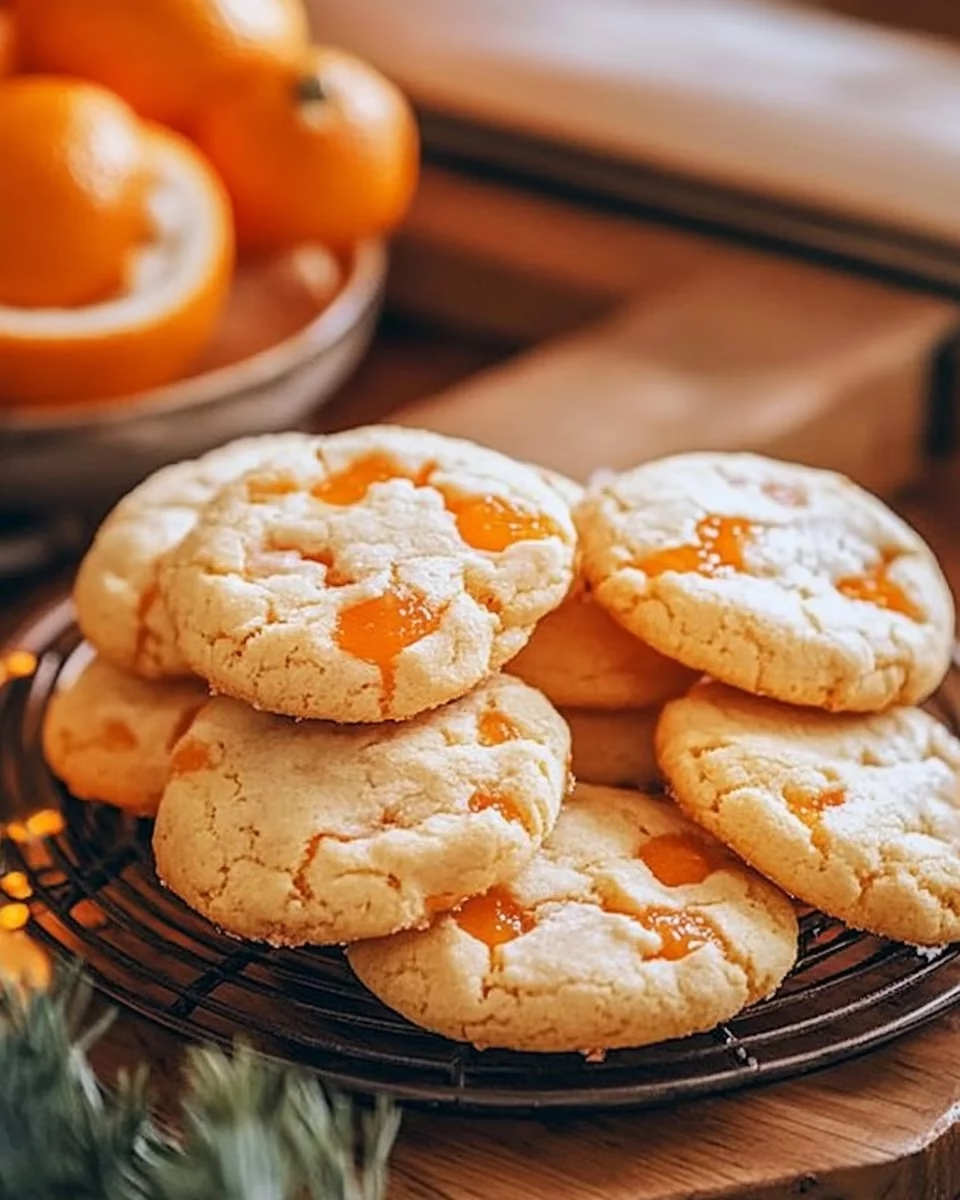
In the oven the edges set first and the centers remain soft. The cookies should flatten just a bit and show a soft golden rim while staying pale in the center. That contrast is the secret to a cookie that feels like a handheld cake in the best way.
Ingredients You’ll Need
1 cup butter, softened — this helps with structure and richness.
1 cup granulated sugar — this keeps the cookie light and slightly crisp at the edges.
1 cup brown sugar, packed — this adds a warm depth and helps with chew.
2 large eggs — they bind the dough and add tenderness.
1 teaspoon vanilla extract — a gentle backbone that calms the bright orange.
1 teaspoon orange extract — this gives a concentrated creamsicle note without too much acidity.
3 cups all-purpose flour — the main structure; measure gently to avoid toughness.
1 teaspoon baking soda — for a bit of lift and a soft crumb.
1/2 teaspoon salt — balances the sweetness and enhances flavor.
1 cup white chocolate chips — creamy pockets that melt into sweet islands.
Zest of 1 orange — the fresh oils here brighten everything and lift the aroma.
If you enjoy a fruitier turn, try pairing the bright orange with something tart like cranberries; I have a variation that blends those flavors nicely and you can read about it at my cranberry orange cookies notes. These ingredient notes are written so you can feel confident about swapping small pieces without losing the cookie’s heart.
Step-by-Step Directions
- Preheat your oven to 350°F (175°C). Prepare your baking sheets and let them warm slightly if your oven takes a while to stabilize. A steady oven temperature helps the edges set without overbaking the centers.
- In a large bowl, cream together the softened butter, granulated sugar, and brown sugar until smooth. Aim for a pale, fluffy mixture with a slight sheen; this tells you the sugars have integrated and the dough will trap tiny air pockets for a soft crumb.
- Beat in the eggs one at a time, then stir in the vanilla and orange extract. Watch the batter relax and feel smoother; the wet ingredients should make the dough glossy and easier to scoop, with a light burst of scent from the orange.
- In another bowl, combine the flour, baking soda, and salt. Gradually mix this into the creamed mixture. Add just until the flour disappears and the dough comes together; stop when it looks cohesive but still tender, not dry or stiff.
- Fold in the white chocolate chips and orange zest. Mix gently so the chips remain whole and the zest is evenly distributed; those bright flecks will create pops of flavor and little pockets of melty cream as the cookies bake.
- Drop by rounded tablespoon onto ungreased cookie sheets. Leave space between each mound; the dough should spread slightly into soft rounds that keep their shape. Watch for a smooth top with a few visible chips peeking out.
- Bake for 9 to 11 minutes, or until lightly golden. The edges should whisper color while the centers stay pale and slightly soft. Resist the urge to brown the center; the cookies will finish setting as they cool.
- Allow cookies to cool on the baking sheet for a few minutes before transferring to a wire rack. They will firm up a touch but remain tender. Let them rest long enough to be handled without falling apart.
How This Dessert Is Meant to Be Enjoyed
These cookies are happiest when shared slowly over small talk, coffee, or an afternoon pause. I like them as a weekend treat that feels slightly indulgent without being too sweet. They pair well with milky drinks or a simple cup of tea, where the white chocolate smooths and the orange zest cuts through the richness.
Bring them to a small gathering and plate them on a low dish so people can help themselves. The cookies look casual and warm on a parchment-lined board, with a scattering of extra orange zest on top for a tidy pop of color. For a tiny twist, arrange a few with thin orange slices or a light dusting of powdered sugar to keep the presentation easy and inviting.
These cookies also work as a test batch when you want to practice your timing or try a new mixer. They are forgiving but honest; they teach you what a slight underbake feels like, and how a minute or two in the oven changes the texture from just set to chewy.
Keeping Creamsicle Orange Cookies Fresh
Store cooled cookies in an airtight container at room temperature for up to three days. They will stay soft but might lose some of their top crispness; if you like a fresher shell, separate layers with parchment to avoid steam softening the tops.
For longer storage, freeze the baked cookies in a sealed container for up to two months. Thaw them at room temperature and, if you want a just-baked feel, warm briefly in a low oven for a minute. If you prefer, freeze the dough scoops on a tray and transfer them to a bag once firm; bake directly from frozen but add a minute or two to the time.
Expect the flavor to mellow slightly over time. The bright orange aroma will be strongest the first day and settle into a gentle citrus note by day three. White chocolate keeps well, but if you notice the chips losing their creamy texture, a short warm-up in the oven brings back a lovely melt.
Carol’s Baking Notes
- Cream until pale: I learned that creaming the butter with both sugars until the mixture turns noticeably lighter makes a real difference. It traps air and creates a tender crumb. Stop when the batter looks glossy and cloud-like.
- Use fresh zest: I keep a small jar of zested orange in the freezer for quick baking. The oils in fresh zest make these cookies sing. Avoid zesting too deeply into the white pith, which can add bitterness.
- Watch your oven: A minute changes the result. My oven runs a bit hot, so I tend to bake at the lower end of the range. Look for pale centers and slightly golden rims rather than a deeply browned top.
- Don’t overmix flour: Fold until combined. Overworking the dough develops gluten and makes cookies tough. Stop when there are no streaks of flour and the dough feels soft.
- Try the rest trick: For a slightly chewier cookie, chill the dough for 20 to 30 minutes. It tightens the fat and slows spreading, giving you a thicker center and a longer baking window.
These notes come from many small batches and the kind of behind-the-scenes tinkering that feels like quiet invention. They are the kind of practical things I trust when I want repeatable results without guesswork.
Variations I’ve Tried
- Orange and almond: Add 1/2 teaspoon almond extract and swap half a cup of flour for almond meal. The cookies become nuttier and pair well with the white chocolate.
- Citrus trio: Include 1/2 teaspoon lemon zest alongside the orange. The lemon lifts the orange into a brighter citrus tone without clashing with the cream of the white chocolate.
- Browned butter approach: Brown the butter and chill before using. This gives a toasty, nutty undercurrent to the cookie while keeping the creamsicle feel. Reduce baking time slightly because browned butter can make the dough looser.
- Mini cookie version: Use a half-teaspoon scoop and bake for about 7 to 8 minutes. These are great for grazing plates or as part of a cookie swap because they stay tender and bite-sized.
- Salted top: Sprinkle a tiny pinch of flaky sea salt on each cookie before baking. The salt enhances the sweetness and makes the white chocolate pockets pop.
Each variation stays within the same basic structure so your results remain reliable. Small swaps can make a big difference in flavor and texture, but the method keeps the cookies stable.
Questions I Had While Testing
Can I make this dough ahead of time?
Yes, and I often do. The dough can sit in the refrigerator for up to 48 hours. Resting the dough deepens the flavor and tightens the texture, resulting in a chewier center and a rounder orange note.
What if I do not have orange extract?
You can increase the orange zest by half a teaspoon and use a little extra vanilla. The natural oils in the zest will still bring brightness, but the extract provides a concentrated creamsicle flavor that is worth having if you like that nostalgic taste.
How do I know when the cookies are done?
Look for pale centers and slightly golden edges. The cookies should feel soft in the middle but not wet. They will firm up as they cool on the tray, so remove them while they are still tender to the touch.
Can I freeze the batter?
Yes. Scoop dough balls onto a tray and freeze until solid. Transfer to a bag and bake from frozen, adding a minute or two to the bake time. This is a great way to bake small fresh batches over time.
Are these cookies freezer-friendly after baking?
Absolutely. Freeze fully cooled cookies in a single layer until firm, then stack with parchment between layers. Thaw at room temperature or warm briefly in the oven for that fresh-from-the-oven feel.
When I Serve Creamsicle Orange Cookies
I favor simple, everyday serving. A wicker basket lined with cloth for a casual picnic, a small cake stand for a relaxed tea, or a parchment-lined platter for a game night all feel right. I sometimes pair them with small scoops of vanilla ice cream to echo the creamsicle theme, or with a bright rosemary sprig for a rosemary and orange tea pairing.
For gifting, I wrap stacks of four cookies in small boxes or tins with a strip of orange zest tucked in. They look homemade and thoughtful without much fuss. If I am presenting them at a tasting or a small party, I might label them with a tiny note about the orange zest and white chocolate, so people know to expect that creamy citrus bite.
These cookies work well as a weekend pick-me-up, a neighborly plate for someone who appreciates little comforts, or a quiet kitchen project for a rainy afternoon. They are flexible and friendly enough to fit many small moments.
Final Thought
I hope this Creamsicle Orange Cookies encourages you to take a small risk and learn what a single change does in the oven. Baking is part measurement, part intuition, and mostly a slow discovery of what makes a recipe yours. Try one tweak, notice how the texture and scent shift, and trust those small wins the way I do. From my kitchen to yours, may these cookies bring a little bright warmth to your day and a reminder that the best results come from curiosity and a steady hand.
Creamsicle Orange Cookies
Ingredients
For the Cookie Dough
- 1 cup butter, softened This helps with structure and richness.
- 1 cup granulated sugar This keeps the cookie light and slightly crisp at the edges.
- 1 cup brown sugar, packed This adds a warm depth and helps with chew.
- 2 large eggs They bind the dough and add tenderness.
- 1 teaspoon vanilla extract A gentle backbone that calms the bright orange.
- 1 teaspoon orange extract Gives a concentrated creamsicle note without too much acidity.
- 3 cups all-purpose flour The main structure; measure gently to avoid toughness.
- 1 teaspoon baking soda For a bit of lift and a soft crumb.
- 1/2 teaspoon salt Balances the sweetness and enhances flavor.
- 1 cup white chocolate chips Creamy pockets that melt into sweet islands.
Instructions
Preparation
- Preheat your oven to 350°F (175°C). Prepare your baking sheets and let them warm slightly.
- In a large bowl, cream together the softened butter, granulated sugar, and brown sugar until smooth.
- Beat in the eggs one at a time, then stir in the vanilla and orange extract.
- In another bowl, combine the flour, baking soda, and salt.
- Gradually mix this into the creamed mixture until just combined.
- Fold in the white chocolate chips and orange zest.
- Drop by rounded tablespoon onto ungreased cookie sheets, leaving space between each mound.
Baking
- Bake for 9 to 11 minutes, or until lightly golden. The edges should whisper color while the centers stay pale and soft.
- Allow cookies to cool on the baking sheet for a few minutes before transferring to a wire rack.