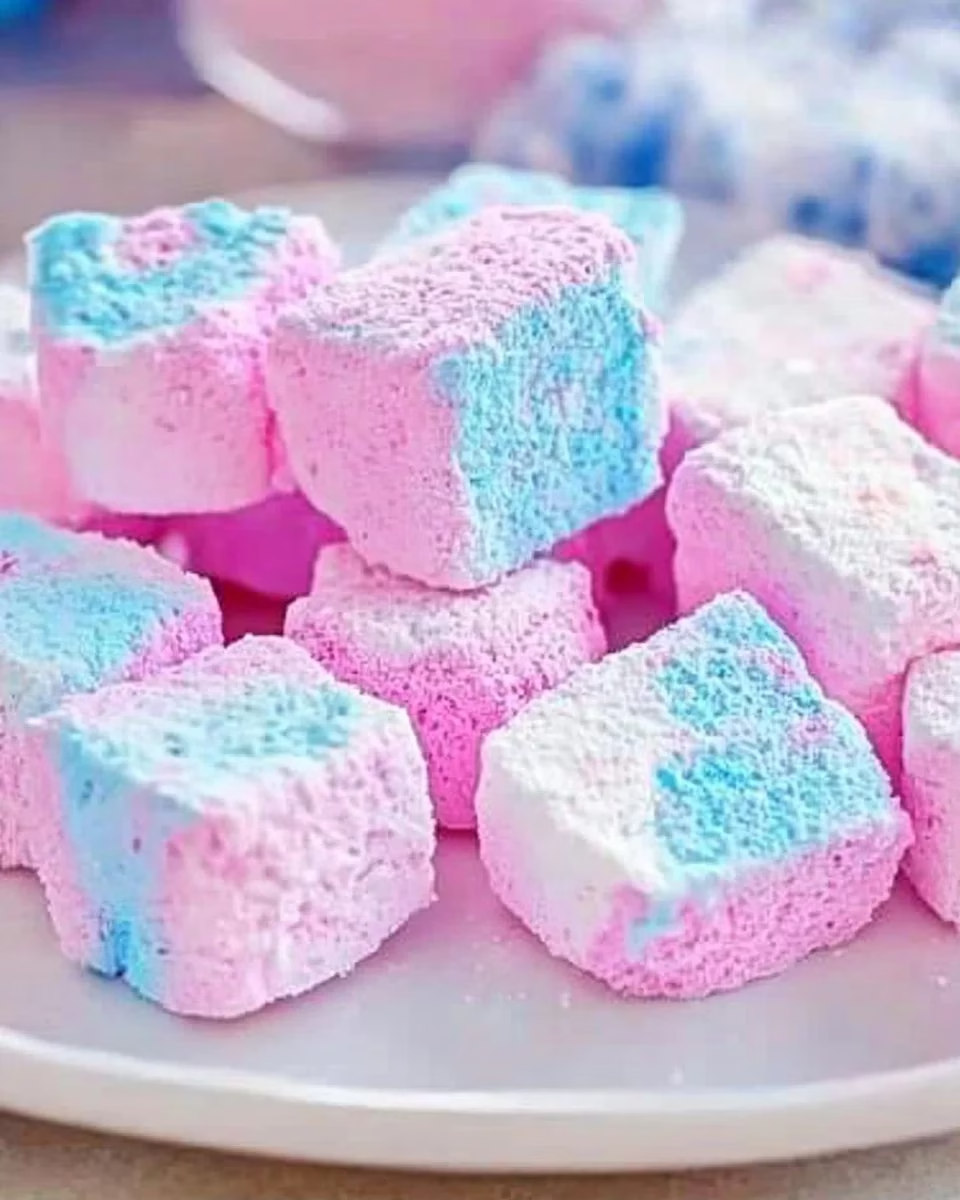
The kitchen smelled like spun sugar and childhood the night I first chased the perfect bite of Cotton Candy Marshmallows. I was testing a small batch late, watching the glossy syrup boil and thinking about how a single scent can pull a room into a memory. If you love the idea of cotton flavors in other sweets, try my cotton candy cake recipe for a tall, pastel treat that plays well with these marshmallows.
The Story Behind This Small-Batch Cotton Candy Marshmallows
I kept coming back to this recipe because it felt honest in the hands, not like something that needed a factory. I tested tiny pans, tweaked a bloom time here and a cool-down there, and learned to read the syrup by sight as much as by thermometer. The moment a batch felt pillowy but held a little chew, I knew I had something that could sit on a dessert plate and make people pause.
There was a night I remember when the kitchen was quiet, and the salt and flavor met the sweet syrup in a silky swirl. I adjusted a little more cotton candy flavor and found it brightened the finish without making the marshmallows taste fake. That balance between nostalgic scent and simple texture is why this recipe stuck around in my notebook.
These marshmallows grew from curiosity and patience rather than a rush to perfection. Small-batch testing meant I could learn the signs: gloss on the syrup, little bubble behavior, the way gelatin bloomed. Each test felt like a friendly experiment, and that gentle curiosity is at the heart of how I bake.
The Rhythm of Making Cotton Candy Marshmallows
“The moment the texture shifts, you know it’s ready.”
There is a rhythm to making this recipe that feels almost musical. You start with a warm stir, move into a quiet simmer, and then watch the syrup change from glossy to dense and singing when the thermometer hits soft-ball stage. Paying attention to how the syrup looks and how it moves keeps you grounded; it helps you trust what your hands and eyes are telling you.
Once you combine the bloomed gelatin, the mix softens and takes on a gentle sheen that tells you it will set nicely. From there the scent of cotton candy comes through more clearly, light and sweet but not sticky in the way it can be if the balance is off. Meanwhile, the final pour into the pan is where the final look of the marshmallows is set, so a slow, even pour makes for the best surface.
A light dusting of powdered sugar finishes the marshmallows and keeps each square from sticking when you slice them. Over several hours the surface firms while the inside stays pillowy if you followed the steps carefully. That is the payoff for patience: a marshmallow that surprises with a gentle chew and an airy lift.
Ingredients You’ll Need
1 cup granulated sugar — this is the sweet backbone and helps form the soft body of the marshmallow.
1/2 cup corn syrup — this helps prevent crystallization and adds structure without making the marshmallows heavy.
1/4 cup water — this hydrates the sugar and helps the syrup reach the right stage.
1/4 teaspoon salt — this brightens the sweetness and rounds out the flavor.
1 tablespoon cotton candy flavoring — this gives the marshmallows their nostalgic scent without being overpowering.
1 tablespoon gelatin — this sets the marshmallows and gives them a soft, springy texture.
1/4 cup powdered sugar (for dusting) — this keeps the outside dry and makes slices tidy.
Each ingredient plays its part in a simple chorus, so I ask that you measure carefully and have patience with the steps. The gelatin needs to bloom properly to set the texture, and the sugar and corn syrup need to reach soft-ball stage for the right chew. The cotton candy flavor is small but important, so taste the aroma as you mix to get a sense of balance.
Step-by-Step Directions
-
In a saucepan, combine the sugar, corn syrup, water, and salt. Cook over medium heat, stirring until the sugar dissolves. Watch for a smooth sheen on the surface as the mixture warms and be ready to stop stirring once it reaches a boil.
-
Once boiling, stop stirring and let it cook until it reaches 240°F (soft-ball stage). Keep an eye on the thermometer and watch the syrup slow its bubbling and turn glossy and thick. This is a time to trust the heat and the thermometer more than the spoon.
-
In a separate bowl, sprinkle the gelatin over 1/4 cup of cold water and let it bloom for a few minutes. The gelatin should swell and feel soft to the touch, not powdery, which means it is ready to melt into the syrup. Blooming gives the marshmallows their soft, bouncy texture.
-
Once the sugar mixture is ready, remove it from the heat and stir in the bloomed gelatin and cotton candy flavoring. Stir gently but thoroughly until the gelatin dissolves and the aroma lifts from the pan. The mixture should become a little thinner and take on a glossy look as the gelatin melts through.
-
Cool the mixture slightly, then pour it into a greased 8×8 inch pan. Pouring too hot can make the top tacky too soon, so give it a minute if it feels overwhelmingly hot. Pour slowly and try to spread the mix evenly for a flat top and even set.
-
Allow it to set at room temperature for several hours. A slow, room-temperature set makes for a softer center and keeps the marshmallows from drying out. Keep the pan covered with a clean towel to fend off dust but avoid sealing it airtight until the surface is fully set.
-
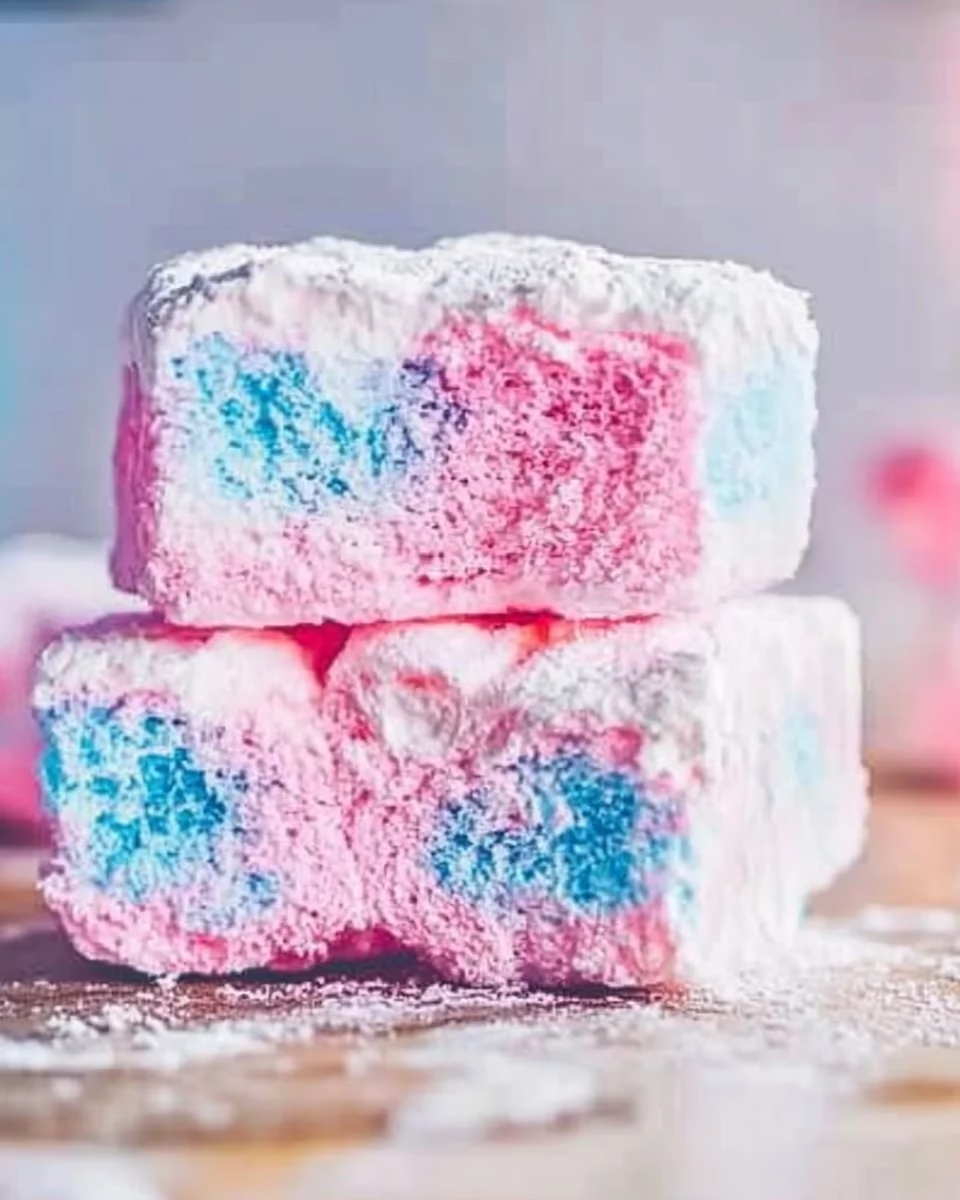
Once set, dust with powdered sugar and cut into squares to serve. Use a sharp knife dusted with powdered sugar and press gently to get clean edges. The powdered sugar keeps the pieces from sticking and gives a soft, snow-dusted look.
When I Serve These Marshmallows
I love serving these as a small weekend treat, the kind you pull from the fridge and offer with a grin. They work well on a coffee table as a casual dessert after a simple meal, or alongside a scoop of plain vanilla ice cream to bring a childhood note to an adult palette. Because they are small-batch, I often make them for a friend drop-in and watch how the pastel scent sparks conversation.
Sometimes I tuck a square into a lunchbox for a simple surprise, or I pair two with a cup of warm milk on a cool evening. They feel fun enough for kids and gentle enough for grown-ups who want a quiet sweet. For a party, I arrange them on a small platter and add a few fresh berries or edible flowers to keep the look playful.
Plating is simple: a little parchment, a sprinkle of powdered sugar around the plate, and a few mismatched spoons makes it feel homey. I avoid overfancy presentation because the marshmallows shine most when the vibe is relaxed. That casual feeling is part of their charm and makes them easy to share.
Keeping Cotton Candy Marshmallows Fresh
Store the marshmallows in an airtight container at room temperature for up to three days. If you live in a humid place, wrap them loosely in parchment before sealing to keep moisture out and the texture right. Refrigerating can make them firmer, so I usually keep them at room temp unless the kitchen is very warm.
If you need to store them longer, freeze the squares individually on a tray until firm, then transfer to a sealed bag for up to one month. Thaw at room temperature for a few minutes before serving to keep the pillowy texture. Expect a small loss in springiness after freezing, but the flavor stays true.
Over time the surface may dry slightly, and the scent will mellow a bit, which is normal and not a sign of trouble. Fresh batches have the best lift and the clearest cotton candy aroma, so I recommend making just enough for a few days unless you are sharing widely. A little powdered sugar refresh before serving can bring life back to older pieces.
Little Things That Made a Difference
One small change that helped was letting the syrup cool for just a minute before adding gelatin. That prevented the gelatin from degrading and kept the texture soft and bouncy. A too-hot syrup can make the gelatin firm up oddly, so patient cooling is worth the wait.
Another thing I learned was to trust visual cues along with the thermometer. When the syrup slows to large, glossy bubbles and clings a little to the spoon, you are close to the soft-ball stage. Thermometers tell you the number, but sight tells you what to expect when you pour.
I also found that a light greasing of the pan, followed by a dusting of powdered sugar, helped the marshmallows release cleanly. Too much oil or too heavy a dusting can change the mouthfeel, so a little goes a long way. Those small touches matter when you want clean squares and a soft surface.
Finally, the cotton candy flavor is delicate, so add it at the end and taste the aroma as you stir. If you want a stronger scent, add a fraction more, but go slow. Flavoring is easy to overdo, and the goal is to bring a gentle note, not to mask the sugar and texture.
Variations I’ve Tried
I tried folding in a tiny pinch of pink coloring for a classic look, which made the marshmallows look like tiny carnival clouds. The color did not change the texture, only the way they read on a plate, and for certain gatherings it felt like a small, joyful touch. Use gel color in small dots and stir just enough to get a marbling if you prefer a softer look.
I also tested adding a few drops of vanilla or almond along with the cotton candy flavor for a deeper finish. Vanilla warmed the scent nicely; almond gave a nutty hint that played well with the sugar. Both work, but I used them sparingly to keep the cotton candy as the star.
For a grown-up twist, I brushed the top of set squares with a light wash of citrus syrup before dusting. The citrus cut the sweetness a touch and added a fresh note that surprised people in a good way. It did change the surface texture slightly, so I used it only when I wanted contrast.
I experimented with a tiny swirl of jam on top before the marshmallows set, which made for a pretty bite and a little tartness. The jam must be thick and not too wet, or it will sink into the sugar and change the set. When done carefully, it offered a fun fruit counterpoint to the cotton candy scent.
Questions I Had While Testing
Can I make this ahead of time?
Yes, and in some cases it actually sets better after resting, especially once the texture has fully settled. I find the flavor also feels more balanced after a day.
Will these melt if I toast them?
They will soften and can toast on a low flame, but they are not as forgiving as store-bought marshmallows for high heat. Use a gentle flame or briefly touch them to a skewer over a candle for a little caramelized edge.
Can I use flavored gelatin instead of adding flavoring?
You can, but flavored gelatin will change the color and sweetness and may not give the pure cotton candy scent I prefer. If you try it, reduce other sweet elements slightly.
Why did my marshmallows become grainy?
Graininess usually means the sugar crystallized during cooking or cooling. Make sure the sugar dissolves fully before boiling and avoid stirring once the syrup boils.
How can I make them less sticky to handle?
Dust your knife and hands with powdered sugar and cut cleanly. If they still stick, chill briefly and then slice.
How This Dessert Is Meant to Be Enjoyed
These marshmallows are made to be shared in small moments, not saved for a big show. They are for the person who wants a light sweet after a weekday dinner or for a friend who drops by and loves a small, nostalgic bite. I like to pair them with tea or coffee that has gentle bitterness to balance the sweetness.
They also work as a topping for warm puddings or a playful layer in a small, no-bake dessert. A single marshmallow square folded into warm milk makes a cozy treat for a quiet evening. They add a whimsical note to any simple dessert, and that lightness is part of why I keep this recipe close.
When I bring these to a gathering, I label them simply and let them sit on a small plate. People often reach for one, smile at the scent, and remember a fair or a childhood kitchen. That gentle memory work is what keeps me making them.
FAQs About Cotton Candy Marshmallows
How long does it take to set?
It usually takes several hours at room temperature to set fully, depending on your kitchen temperature. Cooler rooms mean longer set times, and a warm kitchen will speed things a bit.
Can I change the pan size?
Yes, but adjust the set time. A larger pan will make thinner marshmallows that set faster, while a smaller pan will yield thicker squares that take longer. The texture shifts slightly with thickness, so keep that in mind.
Are these vegan?
This recipe uses gelatin, so it is not vegan. If you want a vegan version, you would need to test agar or other gelling agents and expect a different texture. I have not found a perfect vegan swap that matches gelatin yet.
Why add salt?
A pinch of salt cuts through the sweetness and brings out the flavor in a way that keeps the marshmallows from tasting flat. It is a small addition with a surprising effect.
Can I color them?
Yes, a drop of gel color works well. Use very little to keep the look soft and avoid adding too much liquid.
A Final Thought
I hope this little guide from my kitchen gives you the courage to try something playful and a simple method to come back to when you want a sweet that feels like a treat and not a project. These marshmallows taught me to slow down a little and trust what my hands and eyes tell me, and I think you will find that the same calm makes the process more joyful. Make a small batch, taste as you go, and remember that the best experiments are the ones that end with a shared bite and a laugh.
Cotton Candy Marshmallows
Ingredients
Marshmallow Base
- 1 cup granulated sugar The sweet backbone that helps form the soft body of the marshmallow.
- 1/2 cup corn syrup Prevents crystallization and adds structure without heaviness.
- 1/4 cup water Hydrates the sugar for syrup consistency.
- 1/4 teaspoon salt Brightens sweetness and rounds out flavor.
- 1 tablespoon cotton candy flavoring Provides nostalgic scent without overpowering.
- 1 tablespoon gelatin Sets the marshmallows for a soft, springy texture.
Dusting
- 1/4 cup powdered sugar Used for dusting to prevent sticking.
Instructions
Preparation
- In a saucepan, combine the granulated sugar, corn syrup, water, and salt. Cook over medium heat, stirring until the sugar dissolves.
- Once boiling, stop stirring and let it cook until it reaches 240°F (soft-ball stage).
- In a separate bowl, sprinkle the gelatin over 1/4 cup of cold water to bloom for a few minutes.
Combining Ingredients
- Once the sugar mixture reaches 240°F, remove it from heat and stir in the bloomed gelatin and cotton candy flavoring.
- Allow the mixture to cool slightly and pour it into a greased 8x8 inch pan.
Setting
- Allow the mixture to set at room temperature for several hours, covered with a clean towel.
- Dust with powdered sugar and cut into squares when set.