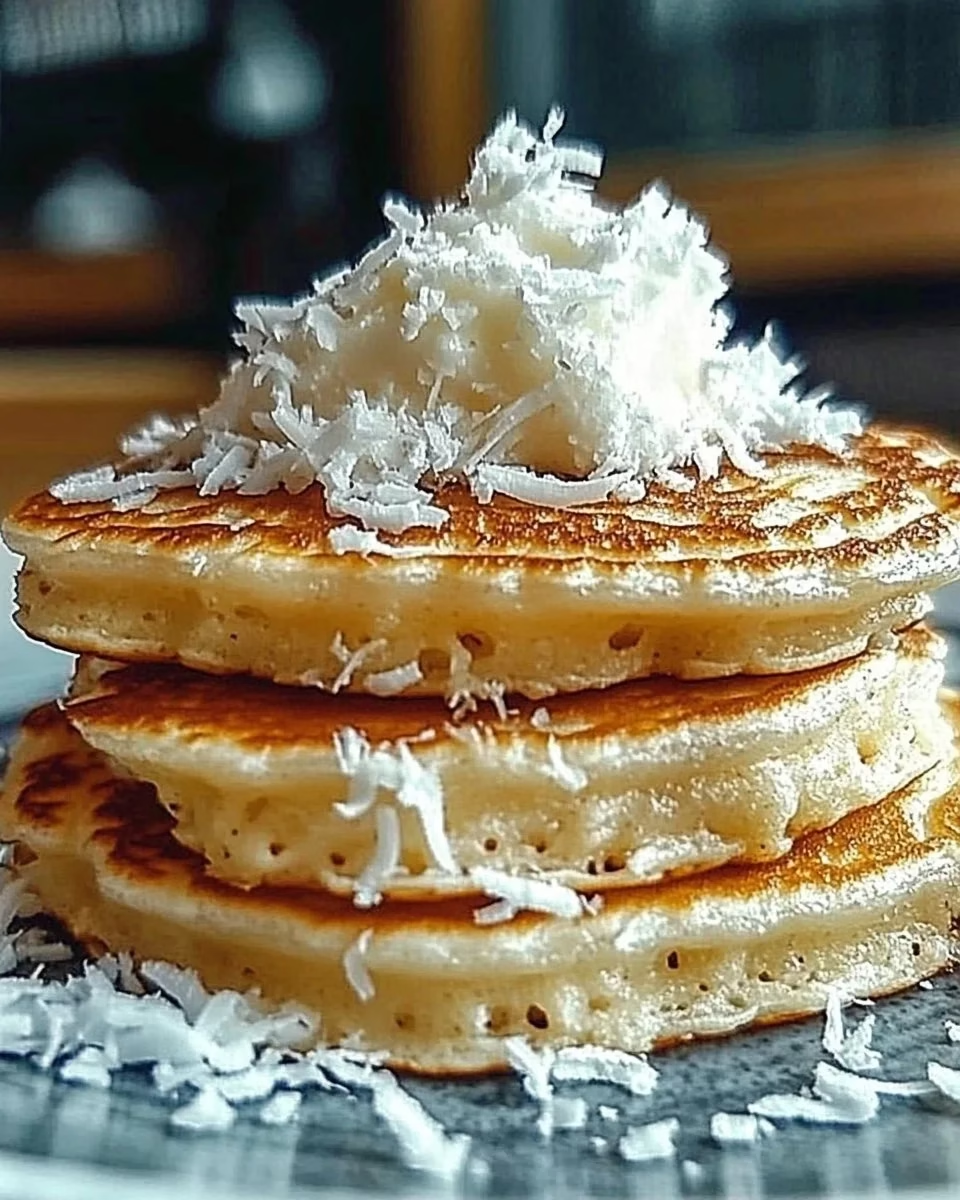
I can still close my eyes and follow that first smell of coconut as it warmed in the pan, the soft hiss like a small promise that the morning would be gentle and full. My kids would pad in, hair messy and eyes bright, and the kitchen would fill with a warm, sweet air that felt like being wrapped in a favorite blanket. Those Coconut Cream Pancakes became our ritual on slow weekends, a small thing that stitched ordinary moments into a memory. I want you to feel that too, like you are pulling up a chair in my kitchen and sinking into a simple, comforting habit.
Why Coconut Cream Pancakes Still Feels Like Home
This recipe came to me on a rainy Saturday when my husband made a grocery run and came back with a tin of coconut cream on a whim. I had been craving something soft and a little fancy, but not fussy, and the thick cream in the tin gave me an idea: what if pancakes could feel like a small dessert that still sits on the breakfast plate? From that morning on, Coconut Cream Pancakes meant slow smiles and sticky fingers and a table cluttered with jars of jam and extra butter.
There is a memory in the recipe too. My grandmother always used coconut in small, secret ways. She would fold a handful into rice or sprinkle it over fruit and it would change the whole mood of the dish. I think of her when these pancakes caramelize at the edges and the kitchen smells like toasted coconut. Those layers of memory give the pancakes a weight beyond the ingredients. If you like the idea of a sweet, coconut-forward treat that still feels like a warm morning at home, you might also enjoy a small, rich treat like coconut raspberry fudge, which keeps that same balance of comfort and bright flavor.
How to Make Coconut Cream Pancakes
“Every time I stir this pot, it smells just like Sunday at home.”
Making these pancakes moves in a gentle rhythm. You whisk dry ingredients until they look soft and pale, and then the wet mix slips in like a promise, glossy and thick from the coconut cream. Heat the pan and listen for the first tiny pops of batter as it meets the surface; they tell you the pancake is ready to be turned.
There is a pleasing texture as you pour the batter, a little thicker than your everyday pancake mix because of the coconut cream. The edges will first satin over, then they will tighten and invite the flip. When you turn them, a light toffee color appears where the batter kissed the pan, and the smell deepens into something that feels like a hug.
Ingredients You’ll Need
1 cup all-purpose flour (start simple; this gives the pancakes body).
2 tablespoons granulated sugar (a touch of sweetness wakes the coconut).
2 teaspoons baking powder (this lifts the pancakes into fluffy clouds).
1/4 teaspoon salt (just enough to make the flavors sing).
1 cup coconut milk (full-fat if you can for richness).
1/4 cup coconut cream (this is the secret for that silky, coconut-forward bite).
1 large egg (helps bind and gives structure).
2 tablespoons melted coconut oil or unsalted butter (I use butter for the homey taste).
1 teaspoon vanilla extract (a little extra vanilla if you love a cozy aroma).
Coconut flakes or shredded coconut (optional, for garnish) (toasted for a crunchy, nutty top).
Gather these items on the counter before you begin. Having everything in sight helps you move through the recipe with ease, and it keeps the moment calm. I like to set a small bowl for discards and a clean towel nearby for quick messes.
Step-by-Step Directions
-
In a large mixing bowl, whisk together the flour, sugar, baking powder, and salt until well combined. Whisk until the dry mix looks even and pale, and run your fingers across the bowl to feel for lumps. This simple step makes sure every pancake rises the same way and has an even crumb.
-
In another bowl, mix the coconut milk, coconut cream, egg, melted coconut oil or butter, and vanilla extract until smooth. Stir until glossy and the cream loosens into the milk like silk in water. Breathe in the creamy aroma as you mix; it is one of those small kitchen comforts.
-
Pour the wet ingredients into the dry ingredients and stir gently until just combined. Be careful not to overmix; a few lumps are okay and will relax into the batter as it rests for a minute. You want the batter to be thick enough to hold a rounded shape on the pan but still easy to pour from a spoon.
-
Preheat a non-stick skillet or griddle over medium heat. Test the warmth by flicking a drop of water; it should dance before evaporating. Lightly grease with a little coconut oil or butter so the pancakes develop a golden exterior and do not stick.
-
Pour about 1/4 cup of batter for each pancake onto the skillet. Watch as the batter spreads into a soft circle and listen to the faint sizzle that says the steam is doing its work. Cook until small bubbles form on the surface and the edges start to look set, about 2-3 minutes.
-
Flip the pancakes carefully and cook for another 2 minutes or until golden brown and cooked through. Use a thin spatula and a light hand; letting them rest for a few seconds after the flip helps them finish without losing air. That smell that rises is the coconut caramelizing and will be irresistible.
-
Repeat with the remaining batter, adding more coconut oil or butter to the skillet as needed. Keep the finished pancakes on a warm plate and cover lightly with a towel to hold their steam and softness. Reheating in a low oven for a few minutes helps keep them warm if you are making a large stack.
-
Serve the pancakes warm, garnished with coconut flakes or shredded coconut if desired. Toast the flakes briefly in a small pan for a nutty crunch that plays nicely against the soft cake. A drizzle of maple syrup, a spoonful of jam, or a scattering of fresh fruit turns this into a small celebration.
-
Sit down and listen to the table fill with the normal sounds of life. Cut into a pancake and feel the tender interior yield under the fork. Share, and notice the little smiles that follow that first bite.
Serving Coconut Cream Pancakes With Family Warmth
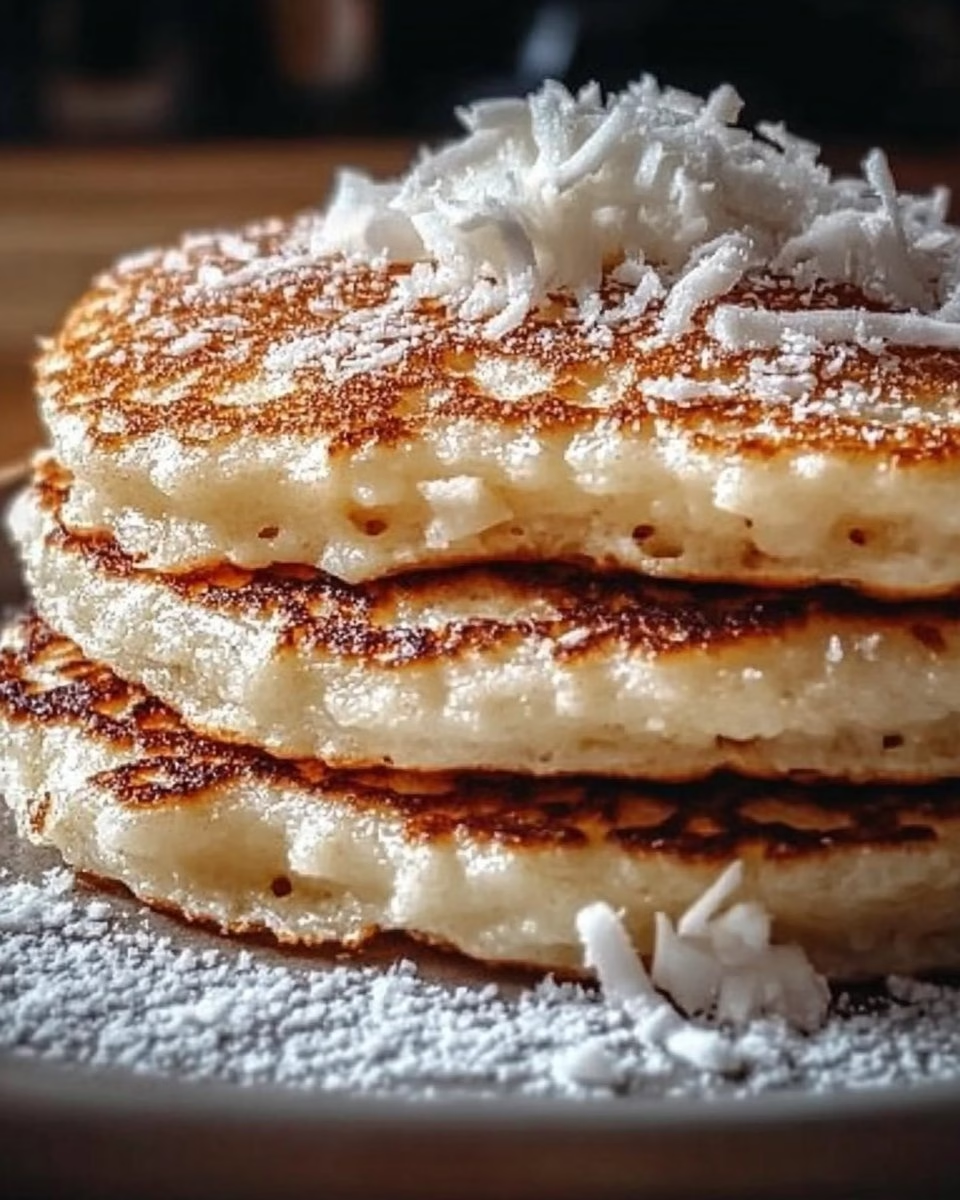
We set these pancakes in the center of the table and let everyone top their own. I like to offer a small board with sliced bananas, berries, toasted coconut flakes, butter, and a pitcher of warm syrup. Letting the kids choose makes breakfast feel like a team project, and the textures — soft cake, silky syrup, and crunchy coconut — make each bite a small surprise.
If you have a bit of time, serve the pancakes stacked tall and cut through the middle so the steam rises in a soft plume. We sometimes spread a thin layer of jam between layers for a fruity middle. These pancakes work for a quiet morning, a weekend brunch that runs long, or even a midnight treat after everyone has had a long day.
Plating matters in small ways. A plain white plate makes the pale pancakes glow, and a napkin with a simple pattern adds warmth to the scene. I often bring coffee in a thermos so the kitchen stays relaxed and we can sit together while the pancakes are still warm.
Storing Coconut Cream Pancakes for Tomorrow
Leftovers are a gift you can take a moment to appreciate. Let the pancakes cool completely on a rack, then stack them with a piece of parchment or wax paper between each one to prevent sticking. Store in an airtight container in the refrigerator for up to two days, or freeze them in a single layer on a tray and then transfer to a freezer bag for up to a month.
To reheat, slide them into a toaster or warm them in a skillet over low heat until they sing with heat again. The coconut notes mellow and deepen overnight in the fridge, and sometimes the second-day pancakes feel more composed and flavorful. If you froze a stack, thaw them in the fridge the night before or pop them in a warm oven to bring them back to life.
Amelia’s Kitchen Notes
Tip 1: If you do not have coconut cream on hand, scoop a few tablespoons of the thick top layer from a chilled can of full-fat coconut milk. It gives a similar richness and avoids an extra trip to the store. This trick has saved me many a morning when a tin was hiding in the back of the pantry.
Tip 2: For a lighter batter, you can swap half the all-purpose flour for a fine whole wheat flour. The coconut flavor will still sing, though the pancakes will be a little denser and nutty. I do this when I want a slightly heartier bite without changing the method.
Tip 3: Toast your coconut flakes in a dry skillet for a couple of minutes until they turn golden and smell toasty. Flip them often so they do not burn. The crunch and aroma from the toasted flakes make a small, homemade garnish that feels like a secret.
Tip 4: Warm plates in a low oven before serving, especially on cooler mornings. This keeps the pancakes from losing steam while you finish the table. It is a tiny hospitality move that makes the meal feel more thoughtful.
Tip 5: Clean-up shortcut. Rinse the batter bowl right away and let any oil spots soak briefly. Wiping the skillet while it is still warm, not hot, makes scrubbing easier and keeps the habit of working with calm efficiency in the kitchen.
Family Variations on Coconut Cream Pancakes
We play with this base recipe in small, loving ways. Sometimes I fold a handful of chopped pineapple and a pinch of nutmeg into the batter to get a tropical spin that tastes like a beach memory. Other times we stir in mashed banana for natural sweetness and extra moisture.
For a grown-up twist, add two tablespoons of toasted almond meal to the dry mix for a nutty depth. My kids love when I sprinkle chocolate chips into the batter before cooking a few special pancakes, and the melted pockets of chocolate make their faces light up. If you like a chilled accompaniment, try a spoonful of banana or nut-based ice cream at the side. A favorite pairing of mine is a small, tangy scoop of almond butter paleo ice cream as a topping; it brings a creamy contrast that feels indulgent but honest. almond butter paleo ice cream complements the coconut notes beautifully.
Keep notes on small changes your family likes. Little adjustments, like adding a pinch of cardamom or swapping maple syrup for a honey drizzle, quickly become part of your own ritual. Those variations make the recipe feel like a living thing that grows with your table.
FAQs About Coconut Cream Pancakes
Can I make this ahead of time?
Yes, and honestly, it might taste even better the next day once the flavors have settled and come together. Store the pancakes in the fridge with a layer of parchment between them, and reheat gently in a skillet or toaster oven just before serving.
Can I use a dairy alternative for the butter or milk?
Absolutely. Coconut oil works well in place of melted butter and keeps the coconut flavor bright. If you use a plant-based milk that is not coconut, the texture will be slightly thinner, so you may need a splash less to keep the batter thick.
Why does my batter sometimes come out lumpy?
A few lumps are fine and even helpful; they prevent overworking the batter and keep the pancakes tender. If you have large dry pockets, gently fold or press them out with the spoon. Overmixing will create a tougher pancake, so keep a light hand.
How do I get them extra fluffy?
Use fresh baking powder and separate the egg, whipping the white to soft peaks, then fold it in for a lift. This is a small step that pays off when you want an airy stack for company or a special morning.
Can I add fruit into the batter?
Yes. Fold in small, firm fruit pieces like blueberries or finely chopped apple so they do not sink. If you use very juicy fruit, reduce any liquid in the batter slightly to keep the texture right.
A Warm Note From My Kitchen
I hope these Coconut Cream Pancakes bring a little warmth and inspiration to your kitchen, the same way they do in mine. They are simple enough for weekday comfort and special enough for a slow celebration with people you love. When you make them, take a moment to breathe in that coconut steam and notice who comes to the table. The food is just the start; the real joy is in the sitting together and the stories that spill over syrup and butter.
Before you go, remember the small things that matter: a clean spatula, a pan that warms evenly, and the patience to wait for the edges to set. These are the humble steps that turn good food into a memory. If you ever make these pancakes and add your own twist, I would love to hear how you and your family made them your own. Until then, keep the kitchen warm and the coffee near.
Coconut Cream Pancakes
Ingredients
Dry Ingredients
- 1 cup all-purpose flour Start simple; this gives the pancakes body.
- 2 tablespoons granulated sugar A touch of sweetness wakes the coconut.
- 2 teaspoons baking powder This lifts the pancakes into fluffy clouds.
- 1/4 teaspoon salt Just enough to make the flavors sing.
Wet Ingredients
- 1 cup coconut milk Full-fat if you can for richness.
- 1/4 cup coconut cream This is the secret for that silky, coconut-forward bite.
- 1 large egg Helps bind and gives structure.
- 2 tablespoons melted coconut oil or unsalted butter Using butter for a homey taste.
- 1 teaspoon vanilla extract A little extra vanilla if you love a cozy aroma.
Garnish
- Coconut flakes or shredded coconut (optional) Toasted for a crunchy, nutty top.
Instructions
Preparation
- In a large mixing bowl, whisk together the flour, sugar, baking powder, and salt until well combined.
- In another bowl, mix the coconut milk, coconut cream, egg, melted coconut oil or butter, and vanilla extract until smooth.
- Pour the wet ingredients into the dry ingredients and stir gently until just combined, being careful not to overmix.
- Preheat a non-stick skillet or griddle over medium heat and lightly grease with coconut oil or butter.
Cooking
- Pour about 1/4 cup of batter for each pancake onto the skillet and cook until small bubbles form on the surface, about 2-3 minutes.
- Flip the pancakes carefully and cook for another 2 minutes or until golden brown.
- Repeat with the remaining batter, adding more coconut oil or butter to the skillet as needed.
Serving
- Serve the pancakes warm, garnished with toasted coconut flakes if desired.
- Add a drizzle of maple syrup or fresh fruit for a complete breakfast experience.