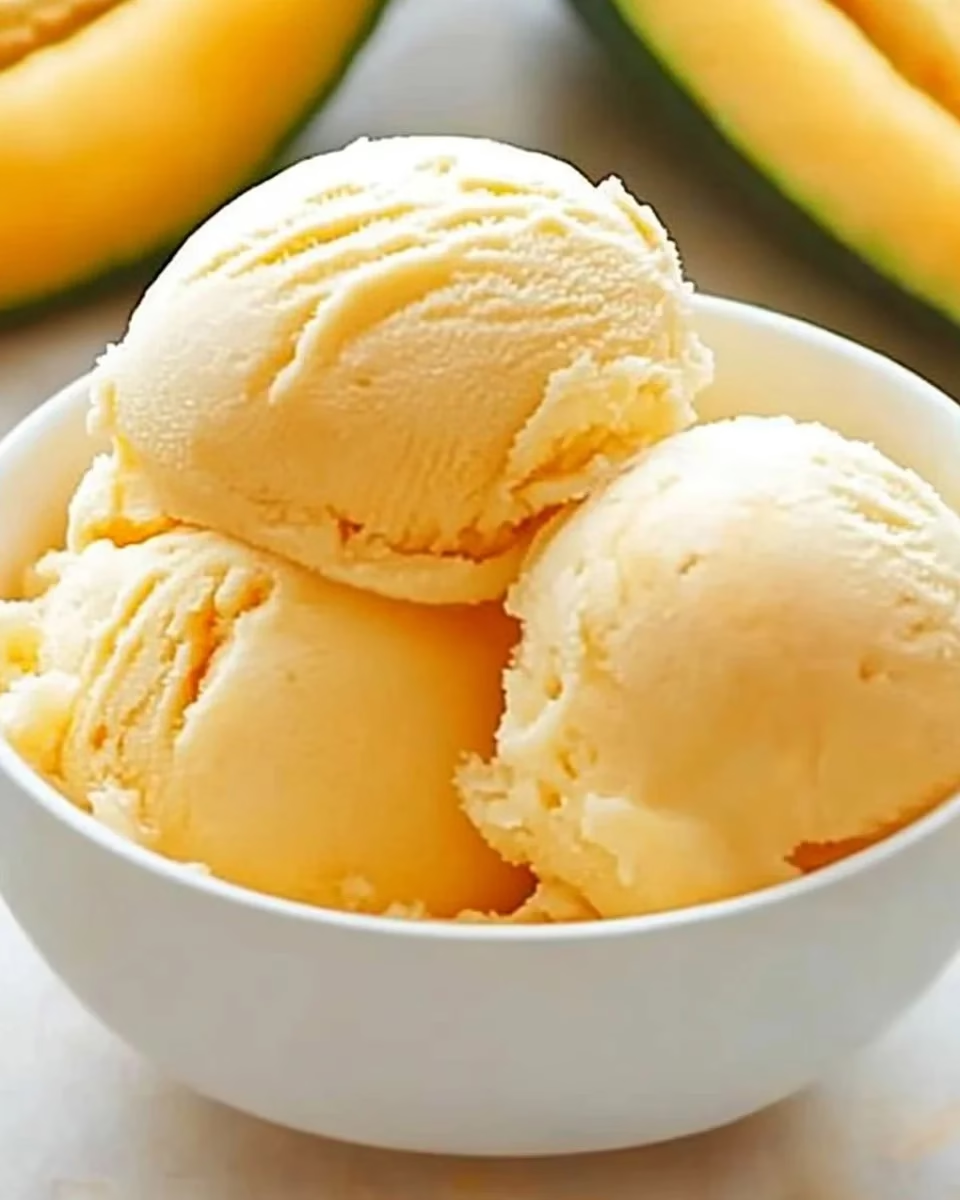
I remember the night the kitchen smelled like summer and a little experiment turned into a favorite: a bowl of cool, pale orange cantaloupe dotted with bright salt crystals and the soft hum of the blender in the background. I was testing texture more than flavor, watching the puree change from grainy to smooth, and when the honey dissolved and the surface gained a gentle gloss, I felt a small, quiet thrill. That night taught me that simple things can surprise you, and if you like light, clean frozen desserts, you might enjoy this related twist I often reach for in other seasons, my take on almond butter paleo ice cream which shares the same playful spirit.
The Story Behind This Small-Batch Cantaloupe Sea Salt Ice Cream
This recipe started as a way to use a single ripe half of cantaloupe without fuss or waste. I wanted something that felt like summer but was easy enough to make late at night after a long day. I tested several ratios, played with sweeteners, and learned that a small touch of salt makes the cantaloupe sing without stealing its lightness.
I kept the batches small on purpose to stay curious and flexible. Small-batch testing lets me change one thing at a time and trust what I taste. After three nights of small experiments, the balance between fruit, honey, cream, and salt finally felt right.
This recipe matters because it trusts the fruit first. It does not rely on heavy stabilizers or complex custards. It asks for good ingredients and a bit of attention, and it rewards you with a bright, silky texture that feels both simple and special.
How This Cantaloupe Sea Salt Ice Cream Comes Together
“The moment the texture shifts, you know it’s ready.”
Making this ice cream is mostly watching and listening. You watch for a satin sheen on the puree, and you listen for the blender to change note as the honey dissolves. Once those signs appear, a very gentle fold of cream is all it needs to become lush and scoopable.
The rhythm is short and satisfying. Blend the base, gently fold in the cream, churn according to your maker, and give the ice cream time to settle. The texture goes from soft and airy straight out of the machine to a firmer, silkier scoop after a short rest in the freezer.
What I love is how the cantaloupe keeps things bright. The honey adds warmth but not heaviness. The vanilla lifts the aroma, and the salt plays the role of a small stagehand, accenting the fruit without taking center stage.
Ingredients You’ll Need
1 cup milk of choice
1 cup heavy cream (or probiotic/real sour cream for GAPS/if preferred)
1/2 cup cantaloupe (fresh, chopped small to measure)
1/3 cup honey
1 Tablespoon vanilla extract (or vodka (optional, but for best texture))
1/4 to 1/2 teaspoon quality salt
I list each item plain because the recipe asks for honesty and clarity. The milk can be dairy or plant based; each choice changes the mouthfeel in small, predictable ways. The heavy cream gives silk and structure, while sour cream will make the base tangier and slightly denser if you are following GAPS or prefer that profile.
Use ripe cantaloupe for the best flavor. If it smells sweet at the stem, it will taste sweet in the ice cream. The honey binds with the fruit and softens the cold bite, and the vanilla brings out floral notes in the melon.
The optional vodka or a neutral spirit helps keep the ice cream soft and scoopable. It does not change the taste when used sparingly, but it does affect texture in a friendly way. The range of salt lets you control how bright you want the fruit to feel.
Step-by-Step Directions
-
Combine all ingredients in blender, except the cream, and purée for about 40 seconds, until completely smooth and the honey has fully dissolved.
Watch for a smooth sheen and no visible honey threads. The mixture should pour like a glossy juice and smell gently floral and sweet. -
Add the cream and blend again just briefly, until it’s evenly incorporated.
You only need a short pulse to fold the cream in. Stop when the surface looks even and the mixture flows smoothly without break. -
Freeze in ice cream maker according to manufacturer’s instructions.
Churn until the ice cream has the texture of soft, slightly thickened yogurt. It will feel soft but hold light peaks when stirred. -
Serve!
Scoop soon after churning for the soft, cloud-like texture. For firmer scoops, let it set in the freezer for 30 to 90 minutes, watching so it does not freeze rock hard.
Watching It Transform
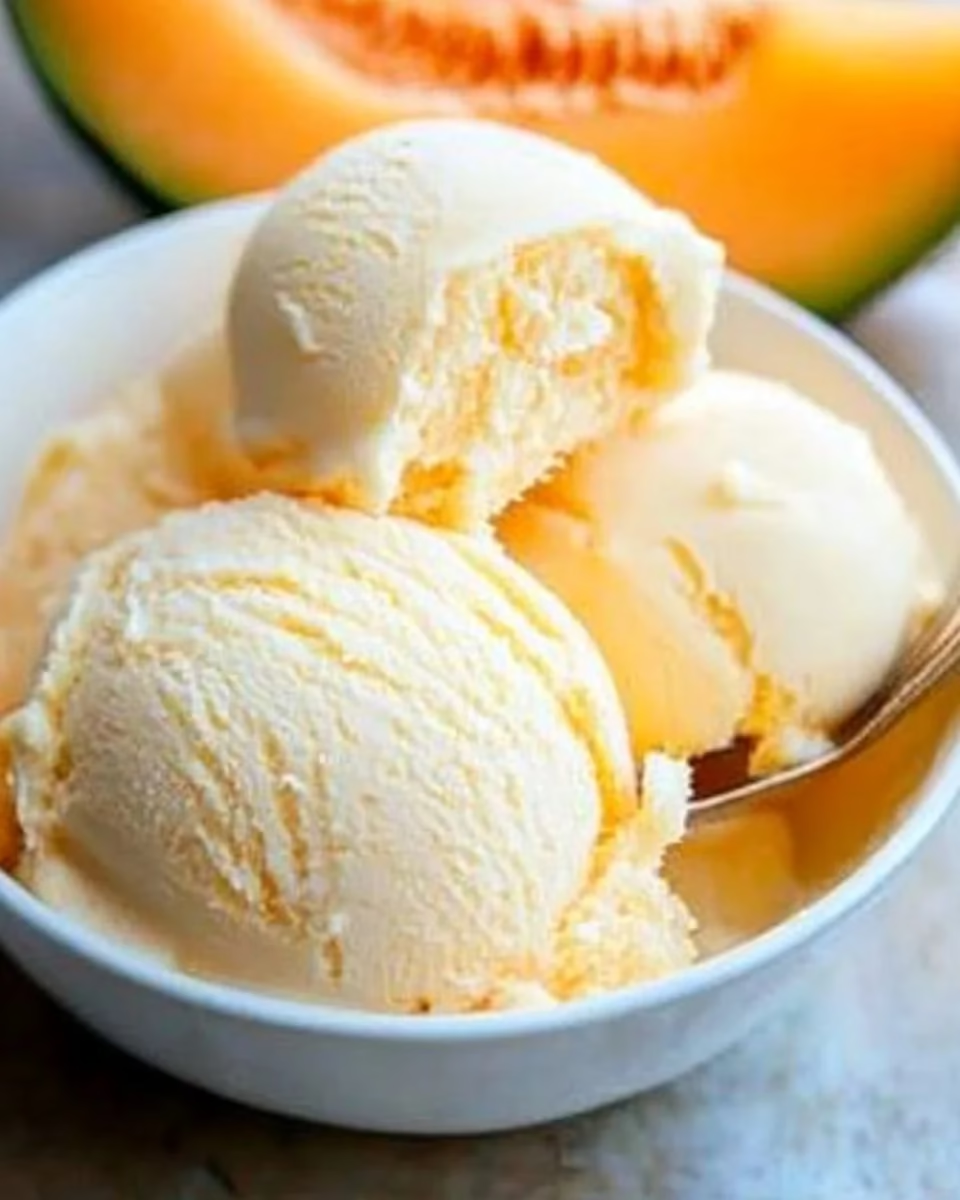
There is a short window when the base moves from thin to something you can cradle with a spoon. I stand at the machine and check the texture every few minutes. The finished churn should feel smooth and slightly airy, with tiny, even crystals rather than coarse ice.
After the first chill, the flavors settle. The cantaloupe brightens, the honey softens, and the salt creeps in like a gentle outline. If it feels flat when you first taste it, a quick sprinkle of finishing salt or a stir of extra vanilla after churning can bring it back.
Visual cues matter. The ice cream should have a pale orange color and a glossy surface. If it looks dull or icy, you may have churned too long or not used enough fat. Small adjustments next time will fix that, which is what testing is for.
When I Serve Cantaloupe Sea Salt Ice Cream
I like to serve this ice cream as an evening treat when the air still smells faintly of the day. It is light enough after a big meal and special enough for a small gathering. Friends always comment on how fresh it tastes, like a summer bite caught in a bowl.
Plating is simple. Scoop into chilled bowls and add a tiny pinch of flaky sea salt on top for a bright contrast. A few microgreens or a thin slice of cantaloupe on the rim feels pretty and practical.
It pairs well with simple baked goods. A plain butter cookie, a small piece of lemon cake, or even a warm shortbread makes a nice partner. The contrast of cold and warm, sweet and salty, brings out the character of each element.
Keeping Cantaloupe Sea Salt Ice Cream Fresh
Store the ice cream in an airtight container with a piece of plastic pressed directly against the surface. This keeps air from forming large ice crystals and keeps the texture friendly. Use a shallow container for faster set and easier scooping.
Expect some change in texture over time. The first three days are the best for that fresh, silky feel. After that, the ice cream will still taste good but may lose a bit of softness unless you bring it to room temperature for a few minutes before scooping.
If the ice cream becomes too firm, let it sit at room temperature for 10 to 15 minutes. A gentle stir can also break up any crystallized bits. If you plan to store for longer than a week, consider scooping into smaller portions so you only thaw what you need.
Carol’s Baking Notes
-
Honey and temperature
Honey dissolves best in a slightly warm liquid. If your cantaloupe is cool from the fridge, let it sit at room temperature for 10 minutes before blending, or blend a touch longer until you see the honey fully integrate. -
Texture guide
If your churned ice cream feels icy, it likely needs a touch more fat or less water next time. Try using the sour cream swap or selecting a higher fat milk. Small changes in milk type give predictable shifts in mouthfeel. -
Salt makes the fruit pop
I start with 1/4 teaspoon and taste. Sometimes the cantaloupe calls for 1/2 teaspoon when it is less sweet. Salt should be a seasoning, not a flavor. It brightens without becoming noticeable as salt. -
Vodka for scoopability
A tablespoon of vodka helps keep the ice cream scoopable after freezing for longer periods. It does not make the dessert taste boozy. I leave this out if kids will eat it or if you prefer all-ingredient simplicity. -
Ripe fruit matters most
If the cantaloupe is underripe, nothing will fully rescue it. A small bowl at the counter for a day often makes the difference. I learned this the slow way and now always sniff before I chop.
Variations I’ve Tried
-
Cantaloupe with lime and basil
I added a teaspoon of lime juice and a tablespoon of chopped basil to the base during one test. It brightened the profile and added a subtle herbal note that made the ice cream feel a little more grown up. -
Cantaloupe with coconut milk
I swapped half the milk for canned coconut milk and kept the cream. The result was creamier and had a faint tropical echo. It paired well with toasted coconut flakes on top. -
Cantaloupe with ginger
A small pinch of powdered ginger or a tiny spoon of fresh grated ginger added warmth and complexity. This worked best when the cantaloupe was very sweet, because the ginger can feel sharp against milder fruit. -
Pairing ideas
If you like bold contrasts, try serving a small scoop alongside a rich chocolate dessert. I often think about other recipes and how they play together, for example a pairing with chocolate espresso cupcakes with salted caramel buttercream brings a playful sweet and bright counterpoint.
Try small changes in salt level, sweetener, or cream to find what suits your taste. Keep notes. Small shifts make real differences in the final scoop.
FAQs About Cantaloupe Sea Salt Ice Cream
Can I make this ahead of time?
Yes, and in some cases it actually sets better after resting, especially once the texture has fully settled. Store it in an airtight container and press plastic on the surface for the best texture.
Can I use a hand blender or food processor instead of a blender?
You can if it gets the cantaloupe smooth and fully dissolves the honey. A high-speed blender gives the creamiest texture, but a food processor or a stick blender can work if you blend well and strain if needed.
What if my cantaloupe is very sweet or not sweet at all?
Taste and adjust the honey. A very sweet cantaloupe may need less honey, and a bland one may need the full amount or a touch more. Add salt slowly and taste as you go.
Do I need to use the vodka?
No, it is optional and helps texture by lowering the freezing point slightly. Skip it for children or if you prefer not to include alcohol. Using a small amount will not affect flavor much.
How long does it keep in the freezer?
Best within three to five days for texture and brightness, though it will be safe longer if stored properly. Expect some textural changes the longer it sits.
What I Learned While Testing
Testing this recipe taught me to trust small changes. A quarter teaspoon of salt can change the way fruit reads in a frozen dessert. I learned to taste every step and to make small notes after each batch.
I also learned that simplicity is powerful. With only a few ingredients, the quality of each one shows clearly. That means choosing ripe cantaloupe, pure honey, and a cream you like will determine the final result more than any technique.
Finally, I learned to enjoy the process. Freezing can feel technical, but it is also a gentle, slow magic. Watching the base turn into something scoopable is a small reward that makes the testing worth it.
Ways to Make It Your Own
Start by swapping one ingredient at a time. Change the milk, then test the result. Keep the rest the same so you can tell what the change did. This method keeps results dependable while letting you play.
Try adding herbs, spices, or a splash of citrus. A small addition of lemon zest deepens the sweetness, while mint or basil gives a cool contrast. Keep additions modest; cantaloupe is delicate and can be overwhelmed.
Think about texture helpers. If you want a softer scoop from the freezer, consider a tablespoon of sugar or a bit of alcohol. If you want denser richness, use sour cream instead of heavy cream for a tangy twist.
Helpful Answers Before You Start
-
Make sure the cantaloupe is ripe and fragrant before you begin. It is the main flavor, and ripe fruit makes everything easier.
-
Taste as you go. The base before churning should taste slightly stronger than you want because cold mutes flavors. Adjust lightly and patiently.
-
Use the ice cream maker you trust. Different machines work differently. Know how your maker behaves and listen for the moment the mixture changes texture.
A Final Thought
I hope this Cantaloupe Sea Salt Ice Cream encourages you to be curious, to taste often, and to enjoy small experiments in the kitchen. Making a tiny batch is a low-risk way to learn how fruit, fat, sugar, and salt work together. From my kitchen to yours, may this recipe remind you that good desserts can be simple, bright, and made with a playful heart.
Cantaloupe Sea Salt Ice Cream
Ingredients
Base Ingredients
- 1 cup milk of choice Can be dairy or plant-based.
- 1 cup heavy cream or probiotic/real sour cream Use sour cream for a tangier base.
- 1/2 cup cantaloupe, fresh, chopped small Use ripe cantaloupe for best flavor.
- 1/3 cup honey Adjust based on cantaloupe sweetness.
- 1 Tablespoon vanilla extract Optional: vodka can be used for better texture.
- 1/4 to 1/2 teaspoon quality salt Start with less and adjust to taste.
Instructions
Preparation
- Combine all ingredients in a blender, except the cream, and purée for about 40 seconds, until completely smooth and the honey has fully dissolved.
- Add the cream and blend again just briefly, until it’s evenly incorporated.
- Freeze in an ice cream maker according to manufacturer’s instructions. Churn until the ice cream has the texture of soft, slightly thickened yogurt.
- Scoop soon after churning for a soft, cloud-like texture. For firmer scoops, let it set in the freezer for 30 to 90 minutes.