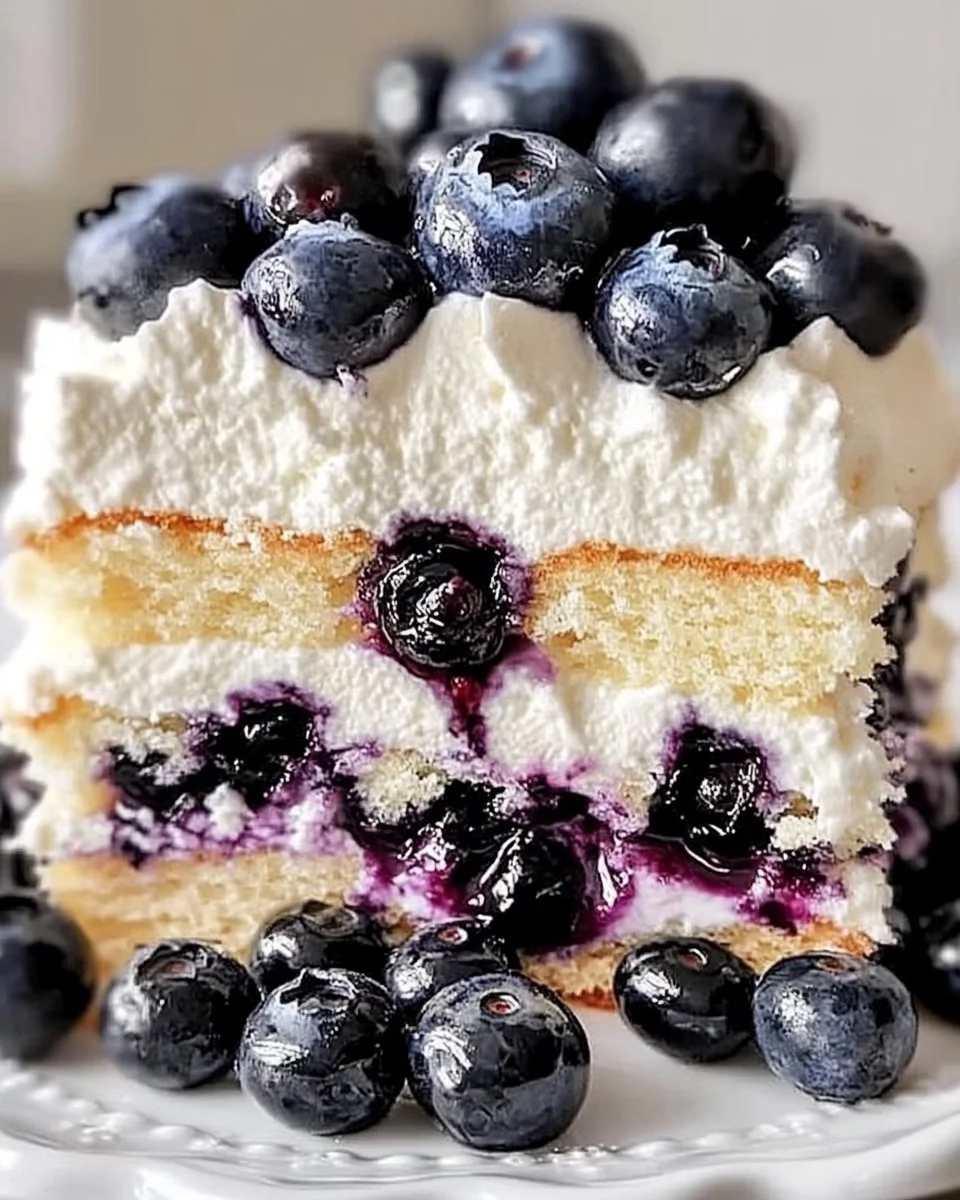
I pulled the pans out of the oven one late evening, the kitchen warm and quiet, and watched the top of the cake wrinkle just so as steam rose and the room filled with a sweet, buttered blueberry scent. That moment — when a fork teased the crumb and a stray blueberry left a glossy purple streak — is why this Blueberry Shortcake Cake lives in my rotation. It is the kind of dessert that invites curiosity, asking you to taste and then to tweak, much like the simple joy of making blueberry lemon pancake bites for a bright weekend breakfast.
What Drew Me to This Blueberry Shortcake Cake
I came to this recipe after a string of experiments with shortcakes, layer cakes, and fruit sauces. I wanted something that felt like a shortcake but wore a party hat. Butter, flour, and milk were anchors, while whipped cream and a quick blueberry sauce kept the cake lively and fresh. The first few attempts needed work; too-dense cake, runny sauce, whipped cream that slipped off the top. Each little mistake taught me something about texture and timing.
My testing always happens in small batches so I can learn fast and stay kind to my pantry. I tried adjusting the baking powder, watching how crumb loosened when I nudged the ratio. I tasted the batter as I worked and learned to read the flour by feel. When the cake finally rose with a tender crumb and the blueberry sauce kept pockets of fruit rather than washing everything purple, I knew the balance had arrived.
This recipe matters because it is forgiving and playful. It does not demand perfect technique, but it rewards attention. It is the kind of cake you can make for a quiet weekend or bring to a friend’s kitchen table and watch conversation bloom between slices.
The Rhythm of Making Blueberry Shortcake Cake
“The moment the texture shifts, you know it’s ready.”
Baking this cake is rhythmic and tactile. You start by creaming butter and sugar until the bowl whispers of air and lightness. The batter moves from heavy to silky as you fold in flour and milk, and you can see the difference in how it pours and settles. When you divide the batter, look for a surface that holds a gentle peak before smoothing; that tells you it will bake into a tender crumb.
The blueberry sauce sings differently. At first the fruit sits plump and taut, then it softens and bursts under gentle heat. You will see the sauce go from glossy and watery to thicker with a little sheen, and the aroma will deepen into something fruity and almost jammy. For whipped cream, watch for peaks that hold but still look soft and cloud-like. Once everything is layered, the cake moves from separate parts into a whole experience where textures and flavors meet.
Ingredients You’ll Need
2 cups all-purpose flour 1 cup granulated sugar 1/2 cup unsalted butter, softened 1 cup milk 3 1/2 teaspoons baking powder 1 teaspoon vanilla extract 1/2 teaspoon salt 2 cups heavy whipping cream 1/2 cup powdered sugar 2 cups fresh blueberries 1/4 cup water 1 tablespoon lemon juice
Each ingredient plays a quiet role. The flour gives structure and keeps the cake from collapsing. Sugar not only sweetens but helps with browning and tender crumb. Butter lends richness and a melt-in-your-mouth quality. Milk loosens the batter so it bakes evenly. Baking powder is the lift; without it the cake will be flat and heavy.
Vanilla brings warmth and a familiar backbone to the batter. Salt sharpens the flavors and keeps sweetness honest. Heavy cream makes the frosting light, airy, and properly decadent. Powdered sugar dissolves seamlessly into the cream so there is no grit. Fresh blueberries give bursts of fruit and freshness. Water and lemon juice coax the berries into a glossy sauce that is bright without overpowering the cake.
Step-by-Step Directions
- Preheat the oven to 350°F (175°C). Grease and flour two 9-inch round cake pans so the batter releases cleanly, and set them on a baking sheet to keep things steady. Warmth in the oven helps the cake rise evenly as soon as it goes in.
- In a large bowl, cream together the butter and sugar until light and fluffy. I look for a pale, slightly airy texture and a bowl that holds soft ribboning when I lift the beater. This step gives lift and richness to the finished cake.
- Add in the eggs and vanilla extract, mixing well. Beat just until the mixture looks smooth and glossy, and stop once the batter is even; overmixing can tighten the crumb. The batter should smell sweet and buttery with a hint of vanilla.
- In another bowl, combine flour, baking powder, and salt. Gradually add this dry mixture to the wet mixture, alternating with milk until well combined. Mix gently and watch the batter go from thick to pourable; stop once it is smooth but not slack.
- Divide the batter evenly between the prepared pans and smooth the tops. Use a small offset spatula or the back of a spoon to spread; the batter should hold a slight dome and show no large air pockets. Smoothness signals even baking.
- Bake for 25-30 minutes, or until a toothpick inserted in the center comes out clean. Look for a golden top and gentle pull-away from the pan edges. If the center springs back lightly to the touch, it is likely done.
- Allow the cakes to cool in the pans for 10 minutes, then turn out onto wire racks to cool completely. This short rest lets the crumb settle so it does not tear when you remove it. Cool cakes slice and layer more cleanly.
- For the blueberry sauce, combine blueberries, water, and lemon juice in a saucepan over medium heat. Cook, stirring gently, until blueberries burst and the mixture thickens slightly and becomes glossy. Stop once the sauce coats a spoon but still carries whole berry notes.
- For the whipped cream, beat heavy cream with powdered sugar until stiff peaks form. Start slowly and build speed so the cream becomes airy and stable; watch for peaks that hold their shape but look soft and pillowy. Chill briefly if the room is warm.
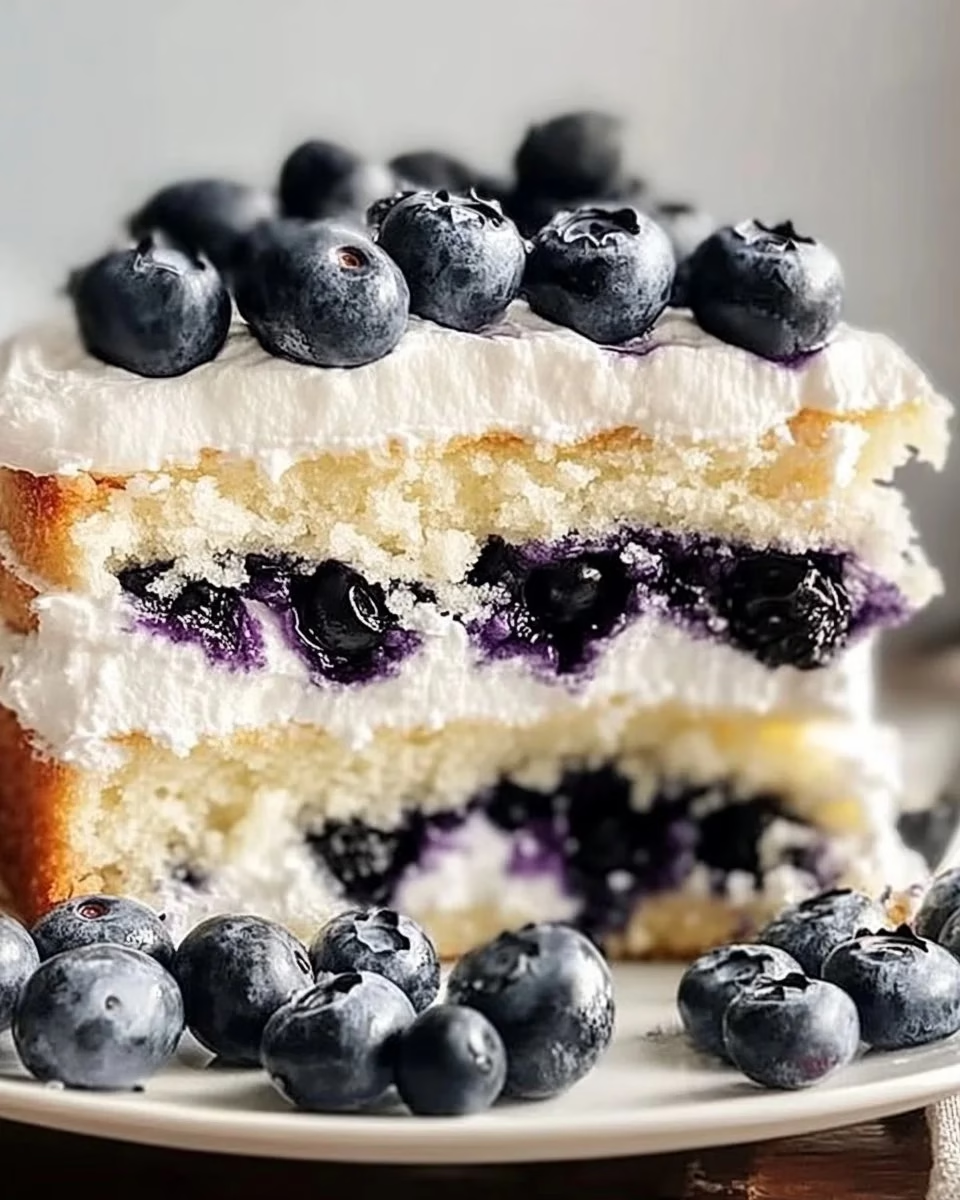
- Once cakes are cooled, layer them with whipped cream and blueberry sauce in between and on top. Build gently so the layers sit evenly; a thin layer of cream first keeps the sauce from soaking the cake too quickly. Serve and enjoy, watching the cream and sauce mingle with each bite.
When I Serve Blueberry Shortcake Cake
This cake fits many moments and moods. I serve it as a relaxed weekend centerpiece with coffee or a light dessert after a family-style dinner. It is lovely at a garden gathering where friends can cut a slice and linger, letting the fresh fruit and cream feel like something made just for today.
For a breakfast-ish twist, slice thin and pair with yogurt and granola for a sweet treat that nods to morning. If you bring it to a potluck, plate it with a few extra berries and a dusting of powdered sugar to make the cake look like a small celebration. Sometimes I pair it with a citrusy companion for contrast, which reminds me of how much lemon lifts fruit desserts similar to my tests with a lemon blueberry cake for a brighter bite.
Plating is forgiving. A rustic slice on a simple plate feels intentional. Spoon extra sauce at the table for anyone who wants more. If you stack slices, use a spatula and steady hands so the layers show evenly; the visual contrast of white cream and purple sauce is part of the fun.
Keeping Blueberry Shortcake Cake Fresh
Store the cake covered in the refrigerator for up to three days. The whipped cream softens a little each day and the blueberry sauce may sink further into the crumb, which is fine — the flavors mingle and deepen. If you prefer a firmer texture, keep the layers chilled until serving and serve cold.
For longer storage, freeze individual layers wrapped tightly in plastic and then wrapped in foil for up to two months. Thaw layers in the refrigerator overnight before assembling so they return to a stable texture and will handle whipped cream without becoming soggy. If you have leftover blueberry sauce, keep it in an airtight container in the fridge and use it within a week on ice cream, pancakes, or yogurt.
Expect the cake to change slightly with time. The first day offers the brightest contrast of textures. By the second day things become more unified and jammy, which some people prefer. I think of those changes as different ways to enjoy the same comfort.
Carol’s Baking Notes
- Fresh blueberries make the difference. Frozen berries can work, but they release more water. If you use frozen, cook the sauce a little longer to remove excess liquid and concentrate the flavor.
- Watch your whipped cream closely. It moves quickly from soft peaks to a grainy sheen. Stop whipping when peaks hold but still have a glossy surface; that gives the cream the silkiness that pairs best with fruit.
- Flour measurement by spoon-and-level gives a lighter cake. I dip the spoon into the bag and level with the back of a knife rather than scooping, which keeps the cake tender rather than dense.
- If the cake edges brown too fast, tent aluminum foil over the pans halfway through baking. A gentle, even rise is better than a fast, overcolored crust that hides an underbaked center.
- Let the sauce sit and cool before spreading between layers to prevent it from seeping too deeply into the warm crumb. Slightly warm sauce creates pockets of jammy goodness; piping hot sauce will puddle.
These little practices came from real tries and small disasters. Each tweak was simple and practical, and each one nudged the cake toward the version I happily make over and over.
Variations I’ve Tried
Blueberry and lemon is a classic pairing, so I sometimes fold a teaspoon of lemon zest into the batter for a subtle lift. It brightens the cake without stealing the blueberry spotlight. You can also swap half the milk for buttermilk for an extra-tender crumb and a faint tang.
For a lighter dessert, cut the cake into smaller slices and use a thin layer of cream and sauce. People tend to say it feels elegant and less heavy. If you like a more rustic, update, roast the blueberries with a sprinkle of sugar and a touch of vanilla before turning them into a sauce; roasting concentrates sweetness and adds a caramelized note.
If you want to make cupcakes instead, fill pans two thirds full and bake for 18 to 22 minutes. The same batter works well and makes for easier portion control. For a gluten-free option, try a 1:1 cup-for-cup gluten-free flour blend and add a tablespoon of extra milk if the batter feels too thick. Expect a slightly different crumb but a similar overall charm.
I also like to add a handful of toasted almond flakes between layers when hosting nut lovers. The crunch is small but delightful against the soft cake and cream. These are ways to keep the recipe yours while sticking to the method that works.
FAQs About Blueberry Shortcake Cake
Can I make this ahead of time? Yes. You can bake the layers a day ahead, wrap them tightly, and keep them in the refrigerator. Assemble the cake the day you plan to serve it for the freshest cream and a bright contrast of textures.
What if my blueberries are very sweet or very tart? Taste before you cook. Very sweet berries may need a squeeze more lemon to balance, while tart berries can handle a little extra sugar in the sauce. Adjust a tablespoon at a time and taste as you go.
How do I keep the layers from sliding? Chill each layer briefly before stacking and use a thin crumb coat of whipped cream to anchor the layers. A chilled cake surface gives the whipped cream something to cling to and reduces sliding.
Can I reduce the sugar? You can reduce the granulated sugar slightly in the cake by about a quarter cup and the powdered sugar in the cream by a tablespoon. Keep in mind the sauce’s sweetness, and taste as you go so the cake remains balanced.
What’s a good way to serve guests with allergies? Consider making a separate dairy-free whipped topping with chilled coconut cream and use a gluten-free flour blend for those who need it. Keep flavors simple and label slices so guests know what to expect.
A Final Thought
I hope this Blueberry Shortcake Cake becomes a small adventure in your kitchen, one that invites tweaks and tastes and turning points. Baking is a conversation with ingredients, and this recipe listens back — it gives you room to play while it still gives you the comfort of a reliable, tested method. From my kitchen to yours, may every slice remind you that the best desserts grow from curiosity, patience, and the quiet pleasure of tasting along the way.
Blueberry Shortcake Cake
Ingredients
Cake Ingredients
- 2 cups all-purpose flour Measure by spoon-and-level for a lighter cake.
- 1 cup granulated sugar Sweetens the cake and aids in browning.
- 1/2 cup unsalted butter, softened Lends richness and a melt-in-your-mouth quality.
- 1 cup milk Loosens the batter for even baking.
- 3 1/2 teaspoons baking powder Provides lift to the cake.
- 1 teaspoon vanilla extract Adds warmth and flavor.
- 1/2 teaspoon salt Enhances flavors.
Whipped Cream
- 2 cups heavy whipping cream Makes the frosting light and airy.
- 1/2 cup powdered sugar Dissolves seamlessly into the cream.
Blueberry Sauce
- 2 cups fresh blueberries Provides bursts of fruit and freshness.
- 1/4 cup water Helps form the sauce.
- 1 tablespoon lemon juice Brightens the sauce without overpowering the cake.
Instructions
Preparation
- Preheat the oven to 350°F (175°C). Grease and flour two 9-inch round cake pans and set them on a baking sheet.
- In a large bowl, cream together the butter and granulated sugar until light and fluffy.
- Add eggs and vanilla extract, mixing until smooth and glossy.
- In another bowl, combine flour, baking powder, and salt. Gradually add this mixture to the wet ingredients, alternating with milk until well combined.
- Divide the batter evenly between prepared pans and smooth the tops. Bake for 25-30 minutes or until a toothpick comes out clean.
- Allow the cakes to cool in the pans for 10 minutes, then turn out onto wire racks to cool completely.
Making the Blueberry Sauce
- In a saucepan, combine blueberries, water, and lemon juice. Cook over medium heat, stirring gently until blueberries burst and the mixture thickens slightly.
Making the Whipped Cream
- Beat heavy cream with powdered sugar until stiff peaks form.
Assembly
- Once the cakes are completely cool, layer them with whipped cream and blueberry sauce between and on top of the layers.