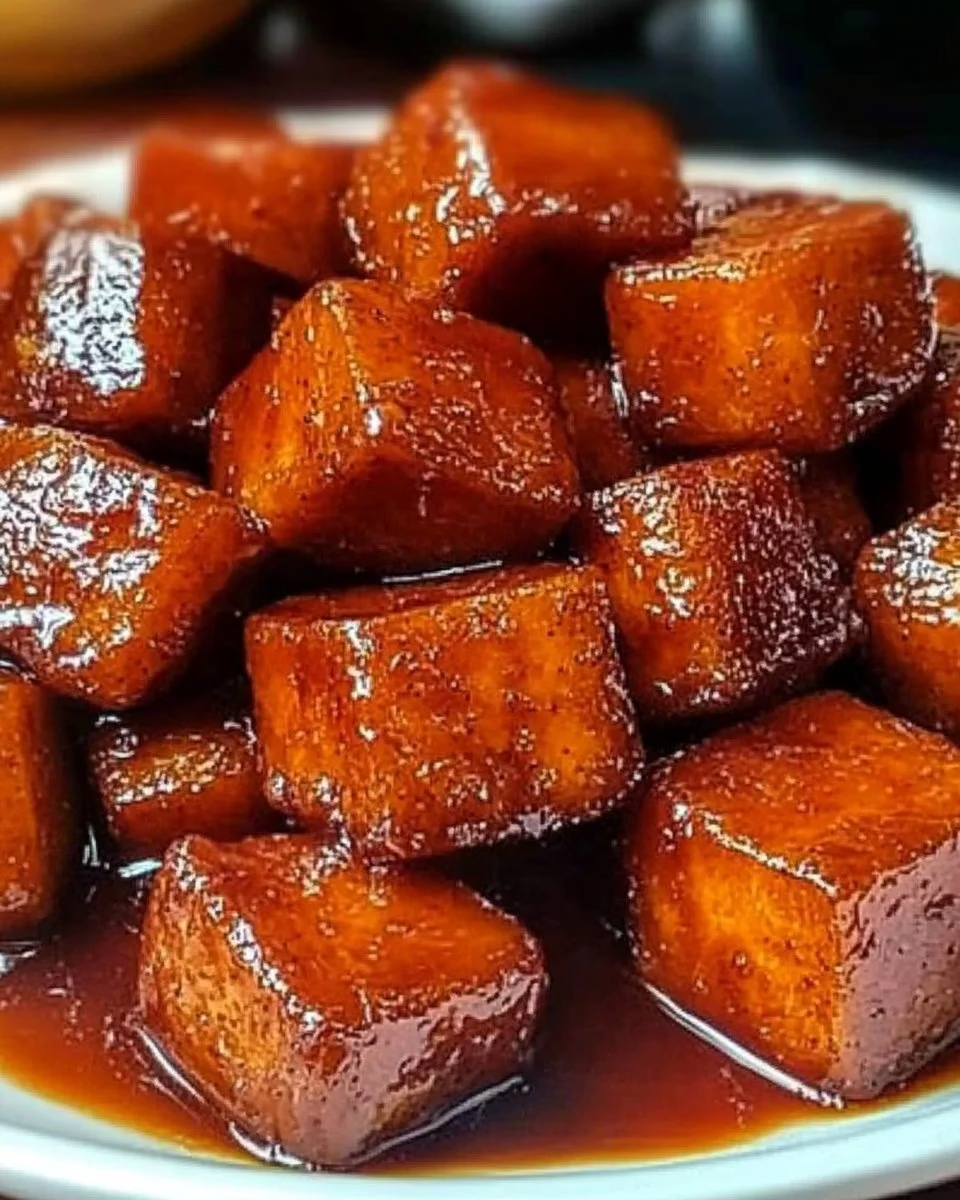
I remember the first late-night test where the kitchen smelled like warm sugar and cinnamon, and the oven light caught the sauce just right. I pulled the dish out, tapped a slice with a spoon, and the glossy syrup trembled but stayed. That moment, when a simple batch of Best Ever Southern Candied Yams turned from good to unforgettable, made me want to keep testing, tasting, and sharing the small discoveries that make desserts sing.
Why This Best Ever Southern Candied Yams Became a Favorite
I chased this recipe across several weekend runs and quiet weeknights. I learned how small shifts in time and heat changed the texture from dull to bright, and how the butter-to-sugar ratio makes the sauce sing. I wanted a dish that felt like a hug and a little bit like a surprise, a dessert that could sit proud on a holiday table or feel right for a slow Sunday dinner.
I tested tiny batches and watched for the moment the syrup became glossy instead of grainy. I found that this version kept its shape, looked good on the plate, and tasted like the kind of comfort that asks for seconds. The care in these steps comes from real kitchen time and honest tweaking, not from fancy tricks.
This recipe matters because it honors comfort while keeping the work friendly. It lets beginners follow clear steps and lets curious cooks tweak textures or spices. That balance is what drew me in and what I hope you feel when you make it.
The Story Behind This Small-Batch Best Ever Southern Candied Yams
I started with a classic idea and then made it smaller, simpler, and more forgiving. I wanted a small-batch recipe that still felt proper for family dinners and easier to test when I wanted a quick treat. Over time, I pared away extra fuss and kept the parts that mattered: real butter, warm spices, and a syrup that coats without drowning.
I tried different sweet potato sizes, different cuts, and a few ratios of water to sugar. Each test taught me how the yams behave when the sauce cools, how the butter helps the shine, and how vanilla lifts the flavor without stealing the show. That messy, curious testing is the heart of this recipe.
I also learned how serving it right makes a difference. A warm dish with a glossy top and a slight caramel pull tastes like home. It invites people to linger, to tell a story while they wait for the next scoop.
How This Best Ever Southern Candied Yams Comes Together
“The moment the texture shifts, you know it’s ready.”
The process is about layers. You build a syrup that starts loose and becomes more confident as it cooks. You watch the sweet potatoes go from raw and firm to tender and slightly yielding, and you listen for the little bubble changes in the sauce.
Watch for a change in sheen as the butter and sugar meld. When the sauce goes from grainy to smooth, it will coat a spoon in a thin ribbon. When the potatoes are fork-tender and the syrup looks glossy, the dish will feel finished and ready for the table.
I like to think of it as a rhythm: melt, stir, coat, bake, and finish. Each step tells you something through texture, color, and smell. That feedback keeps you from counting only on the clock and helps you trust what your eyes and fingers tell you.
Ingredients You’ll Need
4 large sweet potatoes
this is the base; choose firm, smooth-skinned potatoes for even slices
1 cup brown sugar
this brings warmth and a deep, molasses note that feels classic
1/2 cup butter
this adds richness and helps the sauce shine without tasting greasy
1 teaspoon cinnamon
this gives a gentle spice that smells like home
1/2 teaspoon nutmeg
this small amount adds warmth without overpowering the sweet
1/4 teaspoon salt
this helps with structure and brings the flavors into balance
1/4 cup water
this loosens the sugar at first so it can dissolve and form a glossy glaze
1 teaspoon vanilla extract
this adds a soft perfume that rounds the whole dish
Step-by-Step Directions
- Preheat your oven to 350°F (175°C).
- Preheating gives the dish a steady start so the potatoes bake evenly. Make sure the oven reaches temperature before you put the yams in for the most even finish.
- Peel and slice the sweet potatoes into rounds.
- Aim for even slices about a half inch thick so they cook at the same rate. Even slices help the texture finish uniformly and look neat on the plate.
- In a large pot, melt the butter over medium heat.
- Melt gently and watch the butter bubble once, then settle, so it does not burn. A steady medium heat keeps the butter toasty but not browned.
- Add the brown sugar, cinnamon, nutmeg, salt, water, and vanilla extract; stir until well combined.
- Stir until the sugar dissolves and the mixture shows a smooth sheen on the surface. Stop once it feels like a warm, pourable sauce and you see no grainy sugar.
- Add the sliced sweet potatoes to the pot and toss to coat them in the mixture.
- Gently turn each slice so the sauce clings and you see a light glaze on the rounds. Work quickly so the potatoes absorb flavor but do not start to break down in the pot.
- Transfer the sweet potatoes to a baking dish and pour any remaining sauce over the top.
- Arrange the slices so they overlap slightly for a tidy look and even cooking. Pour the extra sauce so it can bubble around the edges and caramelize a little in the oven.
- Cover with aluminum foil and bake for 30 minutes.
- The foil helps steam the potatoes and keeps them tender inside. Check at the end of the time; the potatoes should feel soft when you press gently with a fork.
- Remove the foil and bake for an additional 15-20 minutes until they are tender and the sauce is bubbly.
- Watch for the sauce to thicken and become glossy around the edges and between slices. Stop when a fork slides through a slice with a little resistance but no raw center.
- Serve warm and enjoy!
- Serve right away while the syrup shines and the aroma fills the room. A warm scoop with a glossy top gives the best texture and makes the dish feel lively.
Watching It Transform
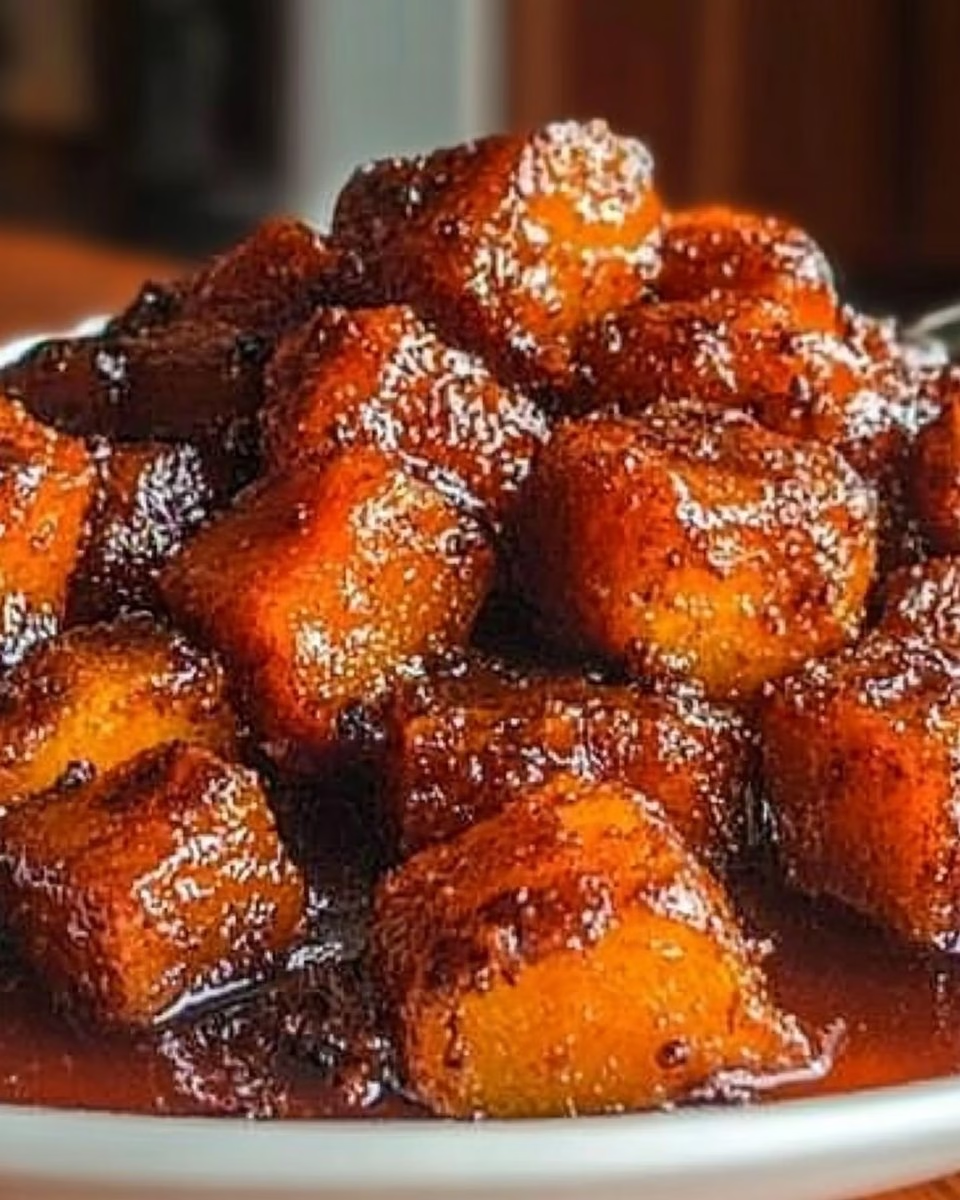
I like to watch the pan halfway through the uncovered time. The syrup will start to bubble and pull slightly away from the edges. That pull is a good sign; it shows the sauce is thickening and the sugar is finding its place.
The tops of the potatoes will take a little color but should not darken too fast. If you see too much color early, tent with foil and lower the oven by ten degrees to keep the inside tender and the syrup smooth.
Pay attention to the smell. As the sauce cooks, it will smell like caramel and warm spice. That scent is a smell you trust; when it arrives, you know the dish is close to being ready.
When I Serve Best Ever Southern Candied Yams
This dish sits well on a holiday table and also on a quiet weeknight spread. It pairs with savory mains and bright sides, and it works as a dessert or a sweet side, depending on the company. I often bring a small dish out after dinner and let people help themselves.
If you want a sweet finish, serve a scoop with a simple dollop of whipped cream or a spoonful of plain yogurt. For a heartier meal, lay a small portion beside roasted meats or a winter salad for contrast.
When I bring it to a meal with friends, I like to serve it warm in the baking dish. It looks inviting and keeps the sauce glossy. If you want a plated look, spoon the yams on to warm plates and drizzle extra sauce for a neat finish.
best pasta shape with shrimp can be a helpful idea when I think about main course options to pair with a rich, sweet side.
Keeping Best Ever Southern Candied Yams Fresh
Store leftovers in an airtight container in the fridge for up to five days. The sauce will firm a bit when cool, but it softens again when warmed and will smooth with a little gentle heat.
To reheat, warm in a low oven at 300°F for 10 to 15 minutes, covered, until just hot. You can also reheat gently on the stove in a shallow pan with a splash of water to loosen the sauce and bring back the gloss.
Texture will change over time. The potatoes will soften a touch and the syrup may thicken. If you like a softer finish, reheat slowly and add a teaspoon or two of water to loosen the sauce.
Carol’s Baking Notes
Start with good, firm sweet potatoes; soft or bruised ones can yield mushy results. Even slices help the dish feel tidy and cook evenly.
Brown sugar with a little molasses gives the syrup depth. If you use light brown sugar, the result will be sweet and bright. Dark brown sugar will make the sauce deeper and more caramel like.
When melting the butter, keep the heat medium. Too hot and you risk browning the butter, which changes the flavor. Keep your eye on the pot and stir gently until the sugar dissolves.
The water in this recipe helps the sugar dissolve and makes the syrup more forgiving during the initial cook. If you skip it, you may end up with a grainier sauce or one that cooks fast and thickens unevenly.
A touch of vanilla at the end lifts the whole dish. Add it after the heat is off if you want a cleaner vanilla note; add it while warm if you want a deeper, baked scent.
Little Things That Made a Difference
I found that rinsing the sliced yams and patting them dry before coating them keeps the sauce from becoming overly cloudy. It helps the glaze cling and keeps the syrup clear and shiny.
Lining the baking dish with foil or using a shallow ceramic dish makes clean up easier and helps the sauce caramelize evenly. It also allows you to serve straight from the dish while it remains tidy.
If the sauce looks too thin after baking, move the dish to a stovetop pan and simmer a few minutes to reduce it. That quick finish tightens the sauce and makes it cling to the potatoes nicely.
Try to use fresh spices. Cinnamon and nutmeg lose their strength over time, and fresh spice makes the aroma pop. Freshly grated nutmeg will always taste brighter than pre-ground versions.
Variations I’ve Tried
Orange and maple twist: I added two tablespoons of orange juice and a tablespoon of maple syrup to the sauce. It gave a citrus lift and a deeper sweet edge that worked well with the brown sugar.
Spiced upgrade: I tried a pinch of ground cloves and cardamom. Keep the cloves small; they are strong. With restraint, they gave a warming, almost spiced-pie feeling.
Marshmallow finish: For a holiday crowd, I layered mini marshmallows on top for the last five minutes and broiled briefly to toast them. Watch closely so they brown without burning.
Nut crunch: Sprinkle chopped toasted pecans over the top right before serving. The nuts add a textural contrast and a toasty note that plays well with the syrup.
Lighter option: Reduce butter by a tablespoon and swap half the sugar for coconut sugar. The result is slightly less rich and has a deeper, earthier sweetness.
Questions I Had While Testing
Can I make this ahead of time?
Yes. You can bake it fully and cool, then reheat gently before serving. The flavors often settle and blend nicely with a short rest.
Will the potatoes hold their shape?
Yes, if you slice them evenly and avoid overcooking. They will soften but should remain sliceable and not fall apart when baked as directed.
Can I use white sweet potatoes?
You can. They have a slightly different texture and flavor but will take the syrup well. Taste and time adjustments might be small.
What if my sauce becomes grainy?
If the sugar does not fully dissolve at first, warm it again and stir gently until it smooths. A quick simmer to dissolve sugar can rescue a grainy sauce.
Does salt matter in a sweet dish?
A pinch of salt brings out the sweet notes and balances the syrup. It makes the flavors feel rounded and complete.
FAQs About Best Ever Southern Candied Yams
Can I cut the recipe in half?
Yes. This small-batch approach scales well. Reduce each ingredient proportionally and watch the bake time; a smaller amount may cook slightly faster.
Is there a dairy-free version?
You can swap the butter for a dairy-free margarine or coconut oil. Expect a change in the flavor and a slightly different sheen on the sauce.
How do I prevent the potatoes from drying out?
Covering with foil for most of the bake time traps steam and keeps the potatoes moist. Only uncover near the end to let the sauce thicken and glossy finish form.
Can I use a slow cooker?
You can adapt this to a slow cooker by cooking on low for 3-4 hours until tender, but the sauce may not caramelize the same way. Finish under a hot oven briefly if you want more color.
What’s the best serving temperature?
Warm is best. Serve within twenty minutes of reheating or baking so the syrup is glossy and the spices smell fresh.
Sharing Best Ever Southern Candied Yams
I’ve brought this dish to potlucks, family dinners, and a few testing evenings with friends. It travels well if you keep it covered and reheat gently before serving. People respond to the comforting look and the familiar spice.
For a casual gathering, serve it in the baking dish with a small spoon and let people help themselves. That relaxed style fits the homely feel of the dish and keeps things simple for you.
If you want to make a small spread, pair it with roasted vegetables and a lean protein. It adds a sweet note that balances savory dishes. For a fuller holiday plate, place it near the pies and let it play the supporting role.
I sometimes think about a warm scoop of something creamy on the side, and that interest led me to try a few dessert pairings that work well. The gentle contrast of a tart or cream can cut through the sweet and make the dish feel bright. For ideas that fit that feel, a light and creamy pie like a creamy pumpkin pie can be a warm, cozy companion on a cool night.
Making This Recipe Your Own
Start with the core method and then tweak one thing at a time. Swap a spice, try orange zest, or change how you finish the sauce. Note each change so you remember what you liked and what to try next.
Keep the base of butter, brown sugar, and vanilla intact if you want a classic result. If you chase a new angle, introduce one new element per test. That way, you can tell what helped and what did not.
Make notes as you go. I keep a small notebook in the kitchen for times, oven quirks, and spice amounts. Those small notes save time and make future batches feel more confident.
Why Texture Matters Here
Texture tells you if the dish is done more than any clock. You want potatoes that hold their shape but give easily to the fork. You want sauce that coats and shines without becoming claggy.
If the potatoes are too firm, they will feel underbaked and raw in the center. If they are too soft, the dish will lose structure and become mush. The balance is in that sweet spot where they still look like slices.
The sauce should be thick enough to cling but loose enough to pour. When it looks glossy and forms a ribbon when you lift a spoon, you know it is in the right range.
A Final Thought
I hope this Best Ever Southern Candied Yams encourages you to experiment a little and trust your instincts the way I’ve learned to trust mine. Take the steps as your map and the sensory notes as your guide, and enjoy the small victories along the way. When you pull a warm, glossy dish from the oven and hear the little smiles around the table, you will know the extra testing was worth it.
From my kitchen to yours, may your next batch feel playful, steady, and reliably delicious.
Best Ever Southern Candied Yams
Ingredients
For the Sweet Potatoes
- 4 large sweet potatoes Choose firm, smooth-skinned potatoes for even slices.
- 1 cup brown sugar Brings warmth and a deep, molasses note.
- 1/2 cup butter Adds richness and helps the sauce shine.
- 1 teaspoon cinnamon Gives gentle spice.
- 1/2 teaspoon nutmeg Adds warmth without overpowering.
- 1/4 teaspoon salt Helps with structure and balances flavors.
- 1/4 cup water Loosens the sugar for dissolution.
- 1 teaspoon vanilla extract Adds a soft perfume rounding the dish.
Instructions
Preparation
- Preheat your oven to 350°F (175°C).
- Peel and slice the sweet potatoes into rounds, aiming for even slices about half an inch thick.
- In a large pot, melt the butter over medium heat.
- Add the brown sugar, cinnamon, nutmeg, salt, water, and vanilla extract; stir until well combined.
- Add the sliced sweet potatoes to the pot and toss to coat them in the mixture.
- Transfer the sweet potatoes to a baking dish and pour any remaining sauce over the top.
Cooking
- Cover with aluminum foil and bake for 30 minutes.
- Remove the foil and bake for an additional 15-20 minutes until they're tender and the sauce is bubbly.
Serving
- Serve warm and enjoy!