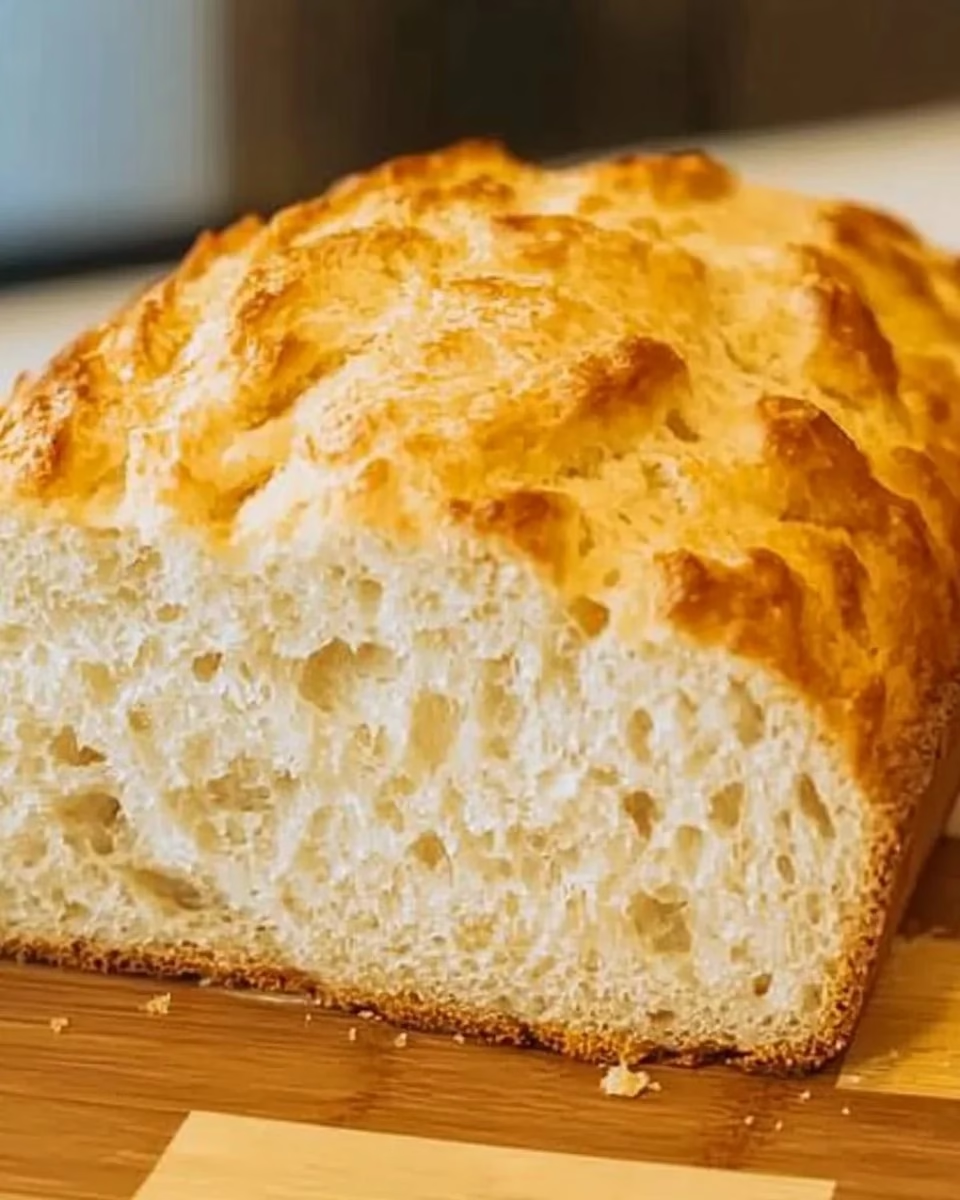
I remember the sound of the front door closing after a long, slow afternoon and the warm, gentle smell that filled the hallway as I carried a loaf from the oven into the kitchen. The crust crackled in a way that felt like a small promise, and the little ones would press their noses to the cooling rack, patient and hopeful. In those quiet moments, a simple loaf could make the house feel like home again, much like the way I reach for familiar recipes such as my Alabama pecan bread when I want to feed everyone with something honest and warming.
Why This Beer Bread Has Always Been a Favorite
This loaf has a way of making even ordinary days feel comfortable. It is not flashy. It does not ask for complicated tools or rare ingredients. What it asks for is a little attention, a steady hand, and a willingness to let simple things do their work.
I first made this bread one slow autumn evening when I wanted something filling and quick to put on the table. I was tired but wanted to give the family something warm to break and share. The beer added a subtle depth, and the butter gave the crust a soft, familiar sheen.
Over the years, it has become the sort of recipe I turn to when I want to share a little care without fuss. New cooks find it approachable. People who have been baking for a long time find it reassuring because it behaves the same way every time you treat it kindly.
It’s a recipe that lives in the kitchen drawer with well-worn measuring spoons and a single favorite spatula. You can make it with a cup of quiet and a mind for texture. The results are always a loaf you can slice and hand around to people you love.
The Story Behind This Recipe
This loaf arrived in my life during a season of small celebrations and daily comforts. A neighbor shared a piece at a church potluck, and I was struck by how something so plain could feel made with such intention. I asked for the recipe, wrote it down, and kept it close.
It became a companion during busy mornings when I wanted something that would travel well to a picnic or sit quietly beside a bowl of soup. It is the kind of bread that makes even plain butter taste like a treat.
Sometimes I shape the dough into a round and bake it in a skillet for a change, but usually I stick to the loaf pan. There is a rhythm to making it, a steady sequence of steps that feels like a short ritual in the kitchen.
That steady sequence comforts me. It lets me measure out care and hand it to others, slice by slice.
How to Make This Loaf Feel Like Home
“Some recipes just feel right the moment they come together.”
When you bring these simple ingredients together, watch for small signs that everything is ready. Flour that has been whisked until it looks even, bubbles rising at the edges after the beer is poured in, and butter that melts into the top just so are the little cues that tell you the loaf will be kind to bake.
Work gently with the dough. Stirring until the dry flour is just taken up keeps the crumb tender. You do not want to overwork it. The moment the batter is mixed and smoothish, it is time to go to the pan.
Pay attention to the oven light and a timer you trust. The top will slowly turn a comforting gold as the center sets. A toothpick should come away with a few moist crumbs but not wet batter. That is the cue I look for when I decide the loaf is done.
Letting it rest a little in the pan makes it easier to remove. After taking it out, give it a few minutes on a cooling rack. That short pause is where the bread finishes and the flavors settle in.
Ingredients You’ll Need
3 cups all-purpose flour
1 tablespoon sugar — room temperature helps with texture and keeps the sweetness even.
1 tablespoon baking powder — this is what gives the loaf its gentle lift.
1 teaspoon salt — a small but important balance to the flavors.
12 ounces beer — pick one you enjoy drinking; it adds a familiar depth.
1/4 cup melted butter — this adds a classic richness and keeps the crust tender.
Each of these is a simple thing on its own, but together they ask only that you measure kindly and follow the steps. Fresh baking powder matters. A beer with a flavor you like will make the loaf feel more personal. Softened butter blends more easily and gives a homier finish.
I keep these staples in a small basket near the oven. If I am missing something small, I find I can still make the loaf and it will be loved just the same. The important part is the care you put into the process.
Step-by-Step Directions
-
Preheat your oven to 375°F (190°C). Grease a 9×5 inch loaf pan. Make sure the oven is fully warmed before you place the loaf inside so the rise begins right away, and the crust forms evenly.
-
In a large bowl, whisk together the flour, sugar, baking powder, and salt. Whisk until the mixture looks uniform and free of lumps, so the baking powder is spread evenly through the flour.
-
Pour in the beer and stir until just combined. Mix gently until the dry ingredients are taken up and you see a few bubbles; do not overmix, or the crumb can become dense.
-
Pour half of the melted butter into the bottom of the loaf pan. This creates a thin layer that browns softly and keeps the bottom from sticking when you turn the loaf out.
-
Pour the dough into the pan and drizzle the remaining butter on top. Smooth the top gently with a spatula so it bakes evenly, and the butter sinks into the surface for a lovely sheen.
-
Bake for 30-40 minutes or until golden brown. Watch for lightly golden edges and a top that looks set; test the center with a toothpick for a few moist crumbs.
-
Let cool for a few minutes before removing from the pan. Allow the loaf to rest until it is just set, then ease it out and place it on a rack to cool so the crumb finishes with a tender texture.
Bringing This Bread to the Table
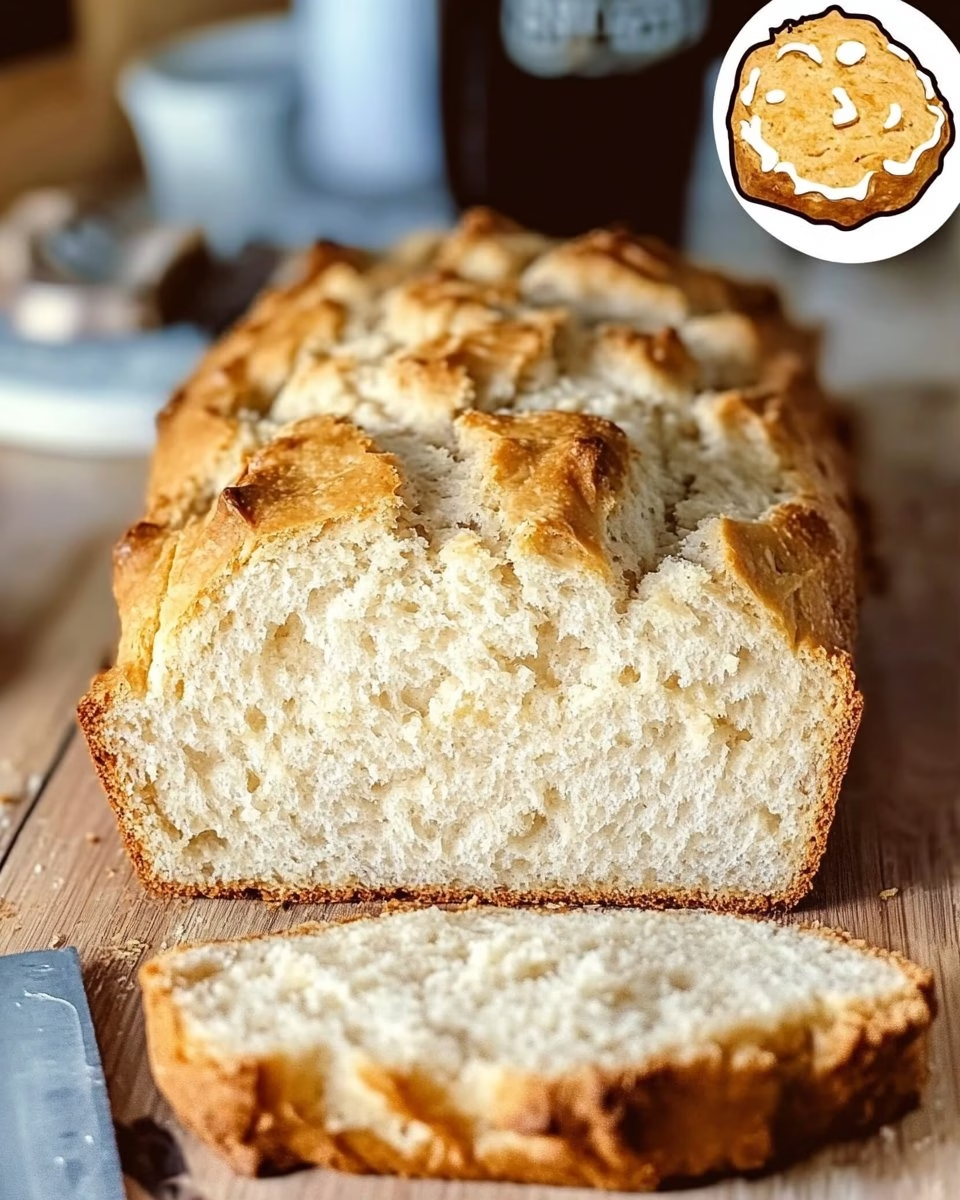
I like to slice this loaf while it is still slightly warm, butter the slices simply, and set them down where everyone can reach. It pairs beautifully with a bowl of tomato soup, a plate of roasted vegetables, or a small dish of jam for when you want something familiar and sweet.
For a casual afternoon, cut thick slices and serve with strong coffee or a pot of tea. It is the kind of bread people are happy to eat plain or to dress up with a little honey. The contrast of a crisp edge and a soft center makes each bite comforting.
When guests come over, I cut the loaf into smaller pieces and place them on a wooden board with a few small dishes of butter, olive oil, or a simple herbed cheese. It invites conversation and offers something approachable for everyone.
The loaf travels well to potlucks. Wrapped in a linen napkin, it keeps warm for a time and brings a sense of home to any table.
Serving With Care and Small Touches
A light smear of butter is often all the bread needs, but I sometimes warm a few tablespoons of jam in a small saucepan and serve it alongside in a shallow dish. A spooned jam gives a bright counterpoint to the buttery crumb.
For savory moments, I rub the top with a cut clove of garlic once it has cooled slightly and brush with a little more melted butter. That simple step brings a golden, fragrant crust that pairs nicely with salads and stews.
If you are serving this as part of a larger meal, arrange slices on a plate with a sprig of rosemary or a scattering of coarse salt for a rustic look. These small gestures turn humble bread into a gracious part of the meal.
You might also enjoy serving it with a soft spread like a whipped cream cheese mixed with chives or a mild cheese. These pairings keep the loaf familiar, with flavors that feel like home.
In the same spirit of simple treats, we sometimes finish a meal with a small sweet, like my favorite buttery raspberry swirl shortbread cookies, when I want a gentle contrast of textures and a touch of sweetness at the end. The pairing feels effortless and grounding.
Storing Bread for Tomorrow
If you have leftovers, wrap the loaf tightly in plastic wrap or keep it in an airtight container at room temperature for up to three days. The crumb softens as it rests, and the flavors settle into a more rounded comfort.
For longer storage, slice the loaf and put the pieces in a freezer bag. Lay parchment between slices or keep them flat so they do not stick together. Frozen slices thaw quickly at room temperature or in a toaster oven.
To refresh a day-old slice, warm it briefly in a 350°F oven for five to ten minutes. Brushing the top lightly with butter before warming brings back a near-fresh texture and a lovely aroma.
If you plan ahead, I sometimes toast the slices and top them with melted butter and a light dusting of sugar. It makes a small, sweet treat that tastes like attention given in the kitchen.
Mary’s Baking Notes
-
Measure with care. Use a level tablespoon and a dry measuring cup for the flour to keep the crumb tender and the loaf reliable. I find that weighing is even more precise, but a gentle scoop and a level off work well in most home kitchens.
-
Choose a beer you enjoy drinking. A light lager keeps the flavor subtle, while a darker ale will add a pronounced, malty note. The beer should be at room temperature for a smooth mix.
-
Do not overmix. Stir until the dry ingredients are just taken up. Overworking the batter will make the crumb tight instead of soft. A few small lumps are fine.
-
Keep an eye on bake time. Ovens vary, so start checking at the 30-minute mark. The top should be golden and set, and a toothpick should come out with a few moist crumbs.
-
Let it rest before slicing. A short cooling time helps the loaf finish and makes slicing cleaner. Give it five to ten minutes in the pan, then remove and cool a bit longer before cutting.
These small reminders are the sort that make this loaf a dependable friend in the kitchen. I have learned them slowly, through practice and a few trials, and they have kept the results steady over the years.
Classic Twists We Love
If you want to make small changes without losing the comforting nature of the loaf, try a few family-friendly variations.
Add a cup of shredded sharp cheddar for a savory twist. The cheese melts into the crumb and makes the slices perfect with chili or a simple salad.
Fold in a handful of chopped herbs like rosemary or thyme for aromatic bread to serve with roasted meats. Keep the amounts modest so the herbs complement rather than overwhelm.
For a sweeter bend, stir in a half cup of dried fruit such as chopped apricots or raisins. The natural sugars mingle with the buttered top and bring warm, familiar flavors to each bite.
You can also sprinkle a bit of coarse sugar on top before baking for a delicate crackle. It adds a tiny touch of sweetness and a pretty finish without changing the soul of the recipe.
These small changes are like notes in a song. They keep the tune familiar while offering a new warmth to enjoy.
Family Variations and Memories
My brother prefers a slice warmed and topped with butter and a touch of honey. He calls it a grown-up snack, and he always takes the end piece.
My neighbor likes adding cracked black pepper and a handful of grated Parmesan. He serves the loaf with bowls of stew at chilly gatherings, and people always ask for seconds.
My niece likes it slightly sweet, with a smear of jam and a thin slice of apple on top. She eats it with her hands and smiles like the world is exactly as it should be.
Recipes gather memories as easily as they gather flour. These small variations keep the loaf alive in different kitchens and remind me that some recipes are generous because they leave room for family to make them their own.
FAQs About This Loaf
Can I make this ahead of time?
Yes, and it often holds up beautifully. Wrap it well and keep it at room temperature for a day or freeze slices for longer storage. Rewarming brings back that fresh-baked feeling.
What kind of beer should I use?
Use a beer you like drinking. A light lager keeps the loaf mild, while a darker ale gives a richer flavor. I usually pick a beer that is smooth and not overly bitter.
Can I make it in a different pan?
Yes, this batter adapts. A round cake pan or a cast-iron skillet will give you a different shape and a slightly different crust, but the basic texture remains dependable.
How do I know when it is done?
Look for a golden top and set edges. A toothpick inserted into the center should come out with a few moist crumbs but not raw batter. If the top browns too quickly, tent it with foil.
Is this recipe suitable for beginners?
Absolutely. The steps are straightforward and forgiving. With gentle stirring and a watchful eye in the oven, new bakers will find the loaf very approachable.
A Final Thought
I hope this bread finds its way into your kitchen and into moments where you want to give something warm to people you care for. It has a way of making small gatherings feel whole and ordinary days feel thoughtful.
Baking is a kind of waiting with intention. It asks us to be present for a little while, to measure out kindness in cups and tablespoons, and to trust that patience yields comfort.
From my kitchen to yours, may this loaf be a simple kindness you can share without fuss. Slice it, pass it, and listen to the small crackle of the crust as a gentle reminder that good things—like steady recipes and warm hands—are worth returning to.
Alabama Pecan Bread
Ingredients
Dry Ingredients
- 3 cups all-purpose flour
- 1 tablespoon sugar Room temperature helps with texture and keeps sweetness even.
- 1 tablespoon baking powder This is what gives the loaf its gentle lift.
- 1 teaspoon salt A small but important balance to the flavors.
Wet Ingredients
- 12 ounces beer Pick one you enjoy drinking; it adds a familiar depth.
- 1/4 cup melted butter This adds a classic richness and keeps the crust tender.
Instructions
Preparation
- Preheat your oven to 375°F (190°C). Grease a 9x5 inch loaf pan. Ensure the oven is fully warmed before placing the loaf inside.
- In a large bowl, whisk together the flour, sugar, baking powder, and salt until uniform and free of lumps.
Mixing
- Pour in the beer and stir until just combined. Mix gently until the dry ingredients are taken up and you see a few bubbles; do not overmix.
- Pour half of the melted butter into the bottom of the loaf pan.
- Pour the dough into the pan and drizzle the remaining butter on top. Smooth the top gently with a spatula.
Baking
- Bake for 30-40 minutes or until the top is golden brown and a toothpick inserted into the center comes out with a few moist crumbs.
- Allow to cool for a few minutes before removing from the pan. Once cooled slightly, place on a rack to finish cooling.